
Cheap binding made luxury
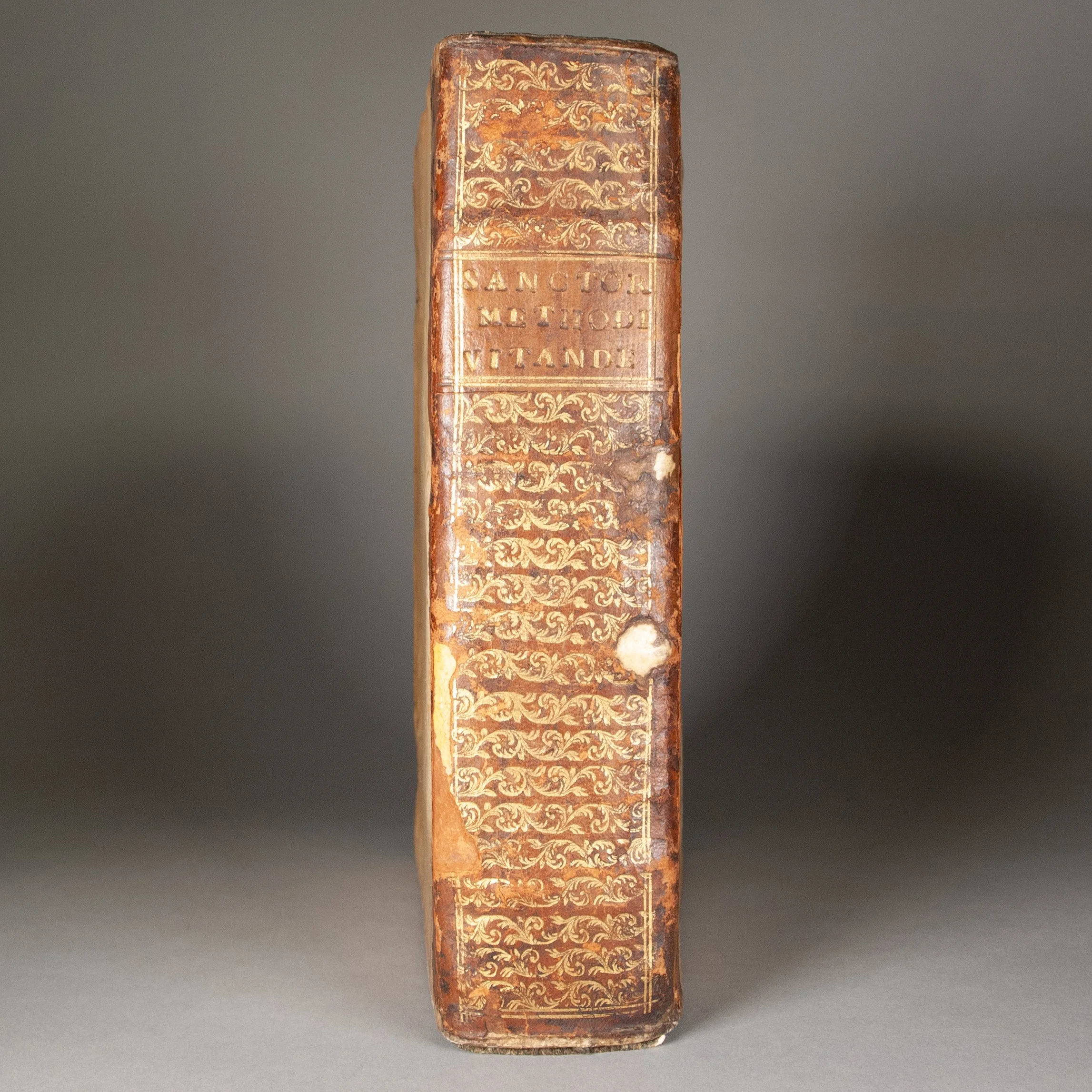
Cheap binding made luxury
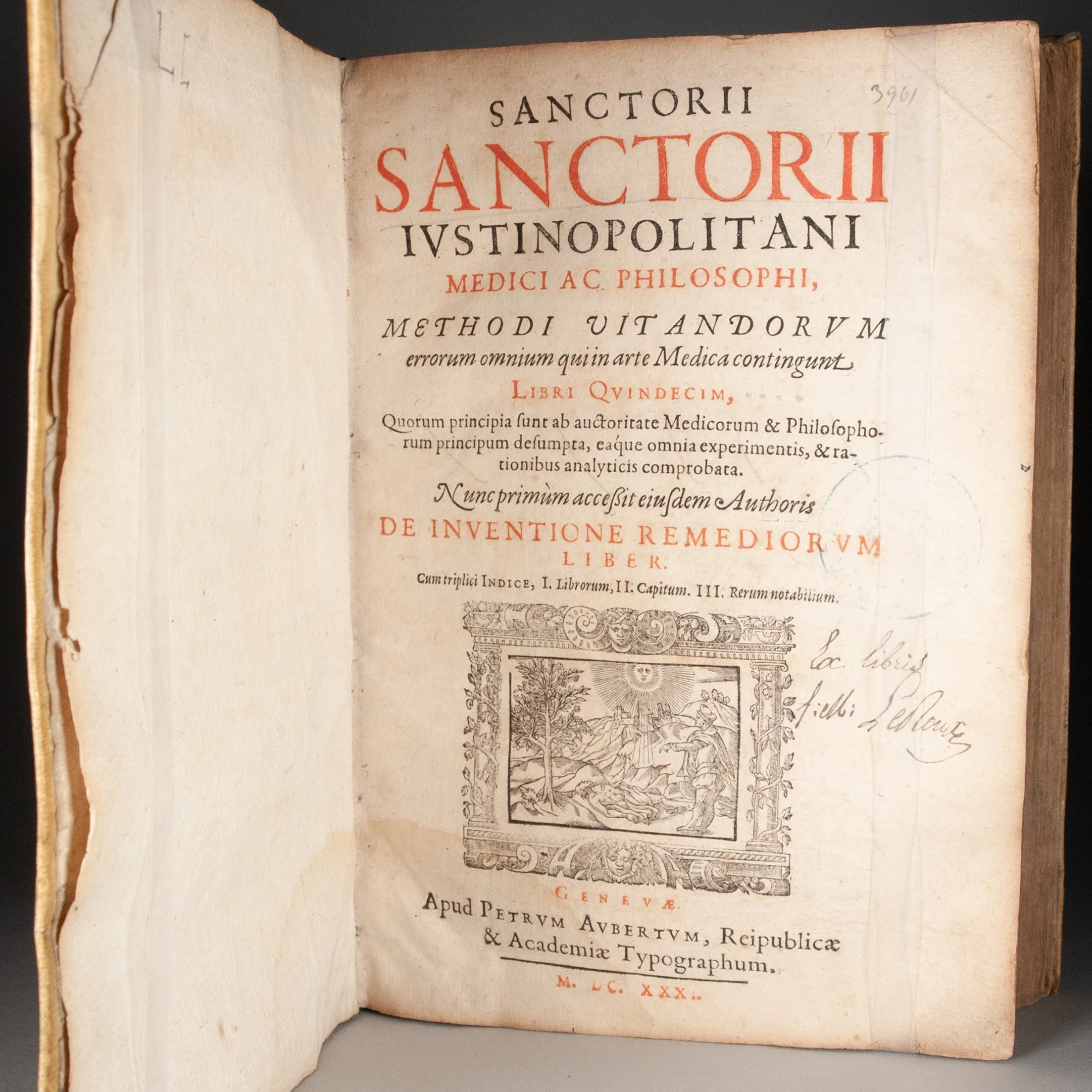
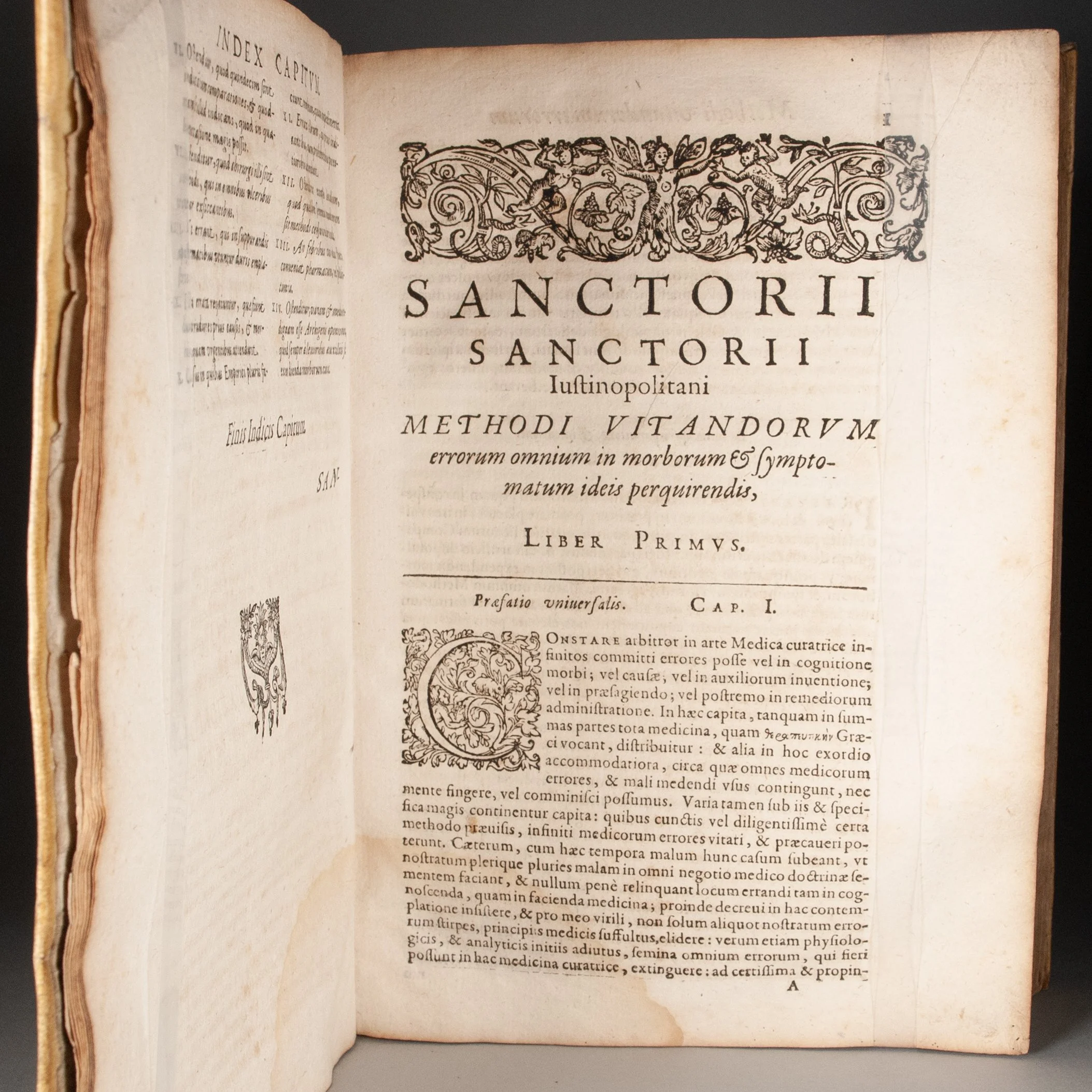
Methodi vitandorum errorum omnium qui in arte medica contingunt libri quindecim, quorum principia sunt ab auctoritate medicorum & philosophorum principum desumpta, eaque omnia experimentis, & rationibus analyticis comprobata; nunc primum accessit eiusdem authoris De inventione remediorum liber; cum triplici indice: I. Librorum, II. Capitum, III. Rerum notabilium
by Santorio Santorio (Sanctorius Sanctorius)
Geneva: Pierre Aubert, 1630
[16], 605, [51]; 108 p. | 4to | *^4 **^4 A-4N^4; a-n^4 o^2 | 225 x 162 mm
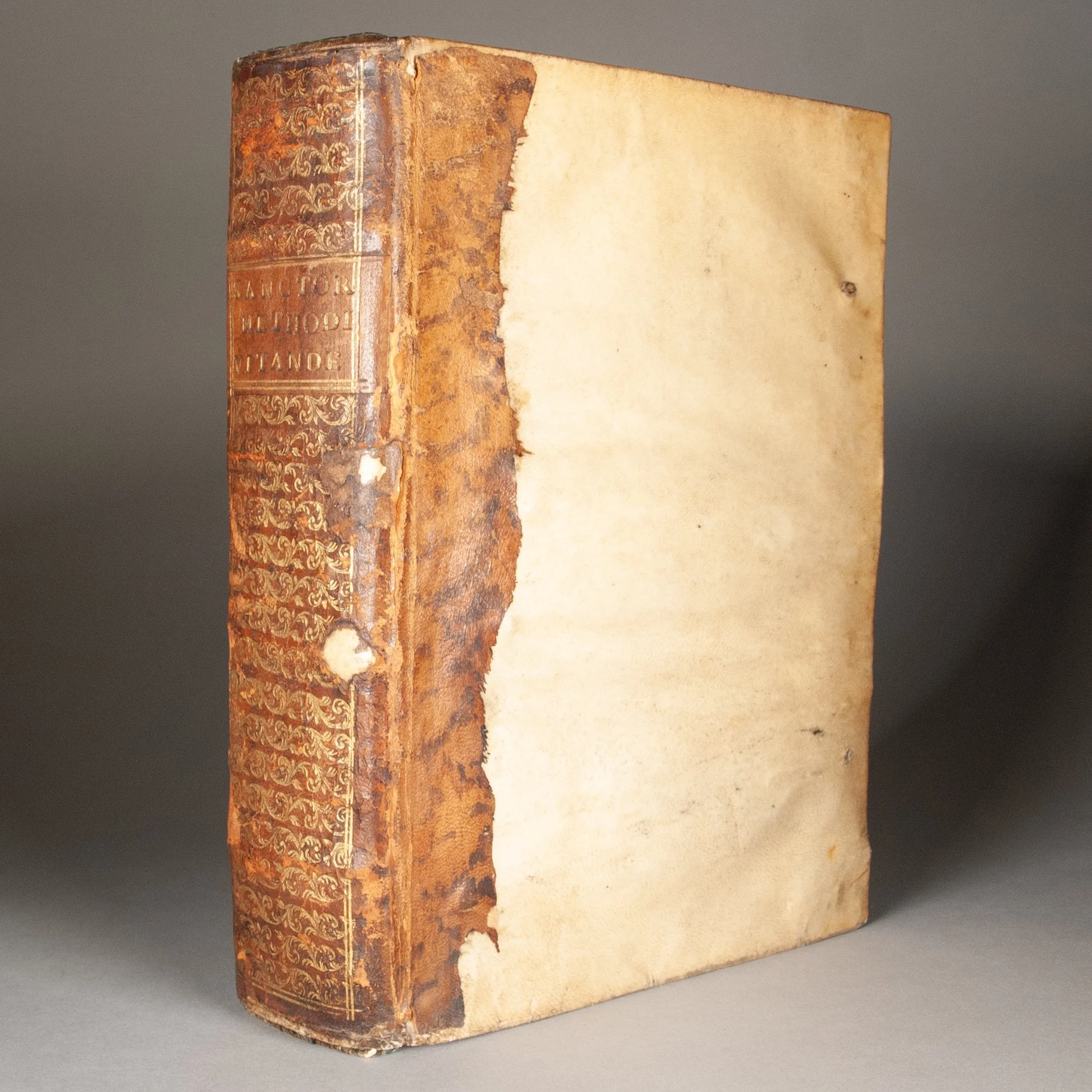
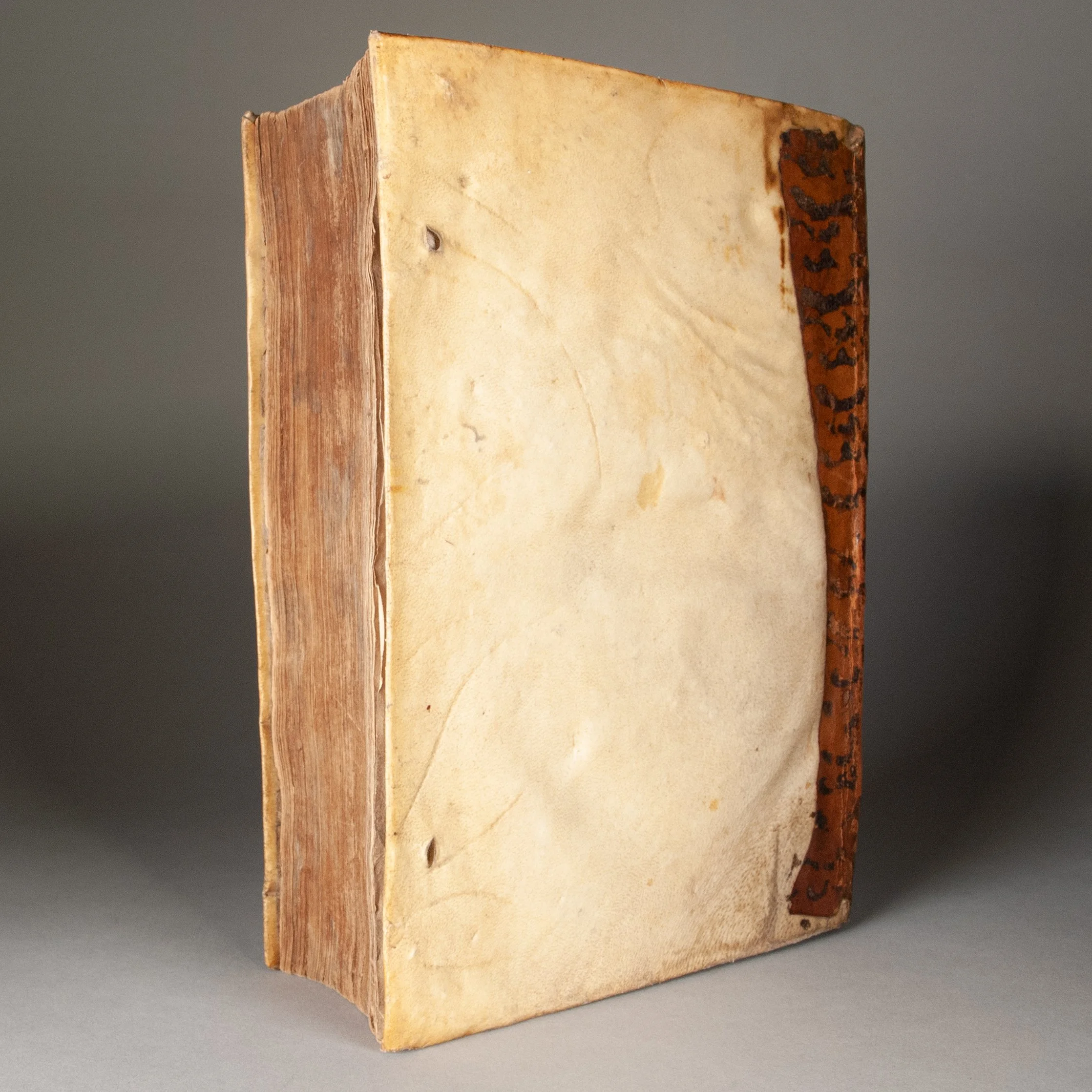
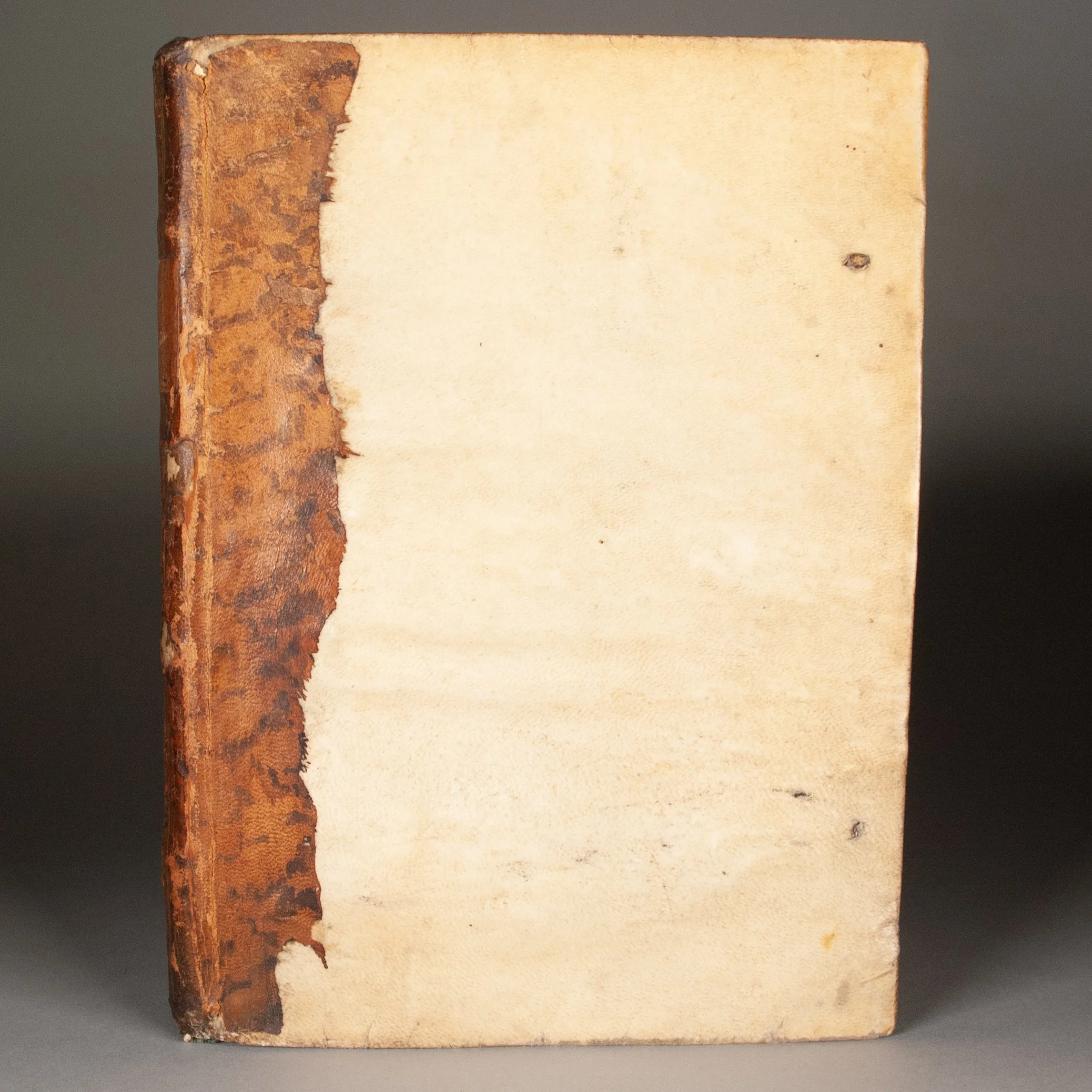
An early edition of the Italian physician's treatise on reducing errors in medicine, first published in 1603 and here revised by the author himself. Santorio was an accomplished experimenter and is typically credited as the father of quantitative medicine. ¶ Sometime in the 18th century, an owner covered the spine of the contemporary parchment binding with a piece of mottled leather, heavily tooled in gold (with an added paper title label). We suspect this was done to render the spine uniform with other volumes in the owner’s library, though it could of course have been an individual whim. It seems not to have been terribly unusual for binders to visit private libraries and improve the appearance of books already bound. Samuel Pepys, for example, had asked "a bookbinder to come and gild the backs of all my books to make them handsome." Whatever the reason, the effect is the same: The binding takes on the appearance of luxury at a glance, and certainly would have appeared so on the shelf, but without the cost of full gilt leather. One should wonder if the update might also have functioned as a repair, but here the original parchment appears to have been in perfectly sound condition. This was a purely aesthetic deception.
PROVENANCE: Eighteenth-century bookplate on front paste-down of Dr. François Petit of Soissons. Old ownership inscription on the title, and an old ink stamp obliterated.
CONDITION: Contemporary semi-limp parchment, the spine later covered in mottled leather and tooled in gold, the leather extending about an inch onto each side. With small woodcuts on p. 172, 175, and 203. ¶ Lower inner corner mildly dampstained throughout, mostly marginal, but affecting a square inch or two of text on each page; tiny spot of worming in the fore margin of the last third of the text block; scattered mild foxing. Parchment a bit soiled, and original ties lost; rear cover scratched; some loss to the added leather, largely over the joints.
REFERENCES: USTC 6701743 ¶ Teresa Hollerbach, Sanctorius Sanctorius and the origins of health measurement (2023), p. 196 ("He identified six sources (fontes) of diagnostic signs that he considered would suffice to remove all ambiguity and uncertainty from diagnostic conclusions," a useful summary of this work), 197 ("in 1630 Sanctorius published a revised version of this book"); Mirjam Foot, The history of bookbinding as a mirror of society (1998), p. 108 (for the Pepys quote above; “Invitations to a bookbinder to come to a country house and bind, or gild the spines of the books, on the spot appear not to have been uncommon"); Charles Desmaze, Histoire de la médecine légale en France (1880), p. 50 ("Antoine-François Petit, of Soissons, medical doctor, celebrated practitioner in his time, 1718-1794")
Item #901