Prima elementa picturae, id est, Modus facilis delineandi omnes humani corporis partes auctore Raphaele de Sanctis Urbinate
after Odoardo Fialetti and Giovanni Luigi Valesio
[Bassano del Grappa?]: Giovanni Antonio and Giambattista Remondini, 1747
25 leaves | 181 x 242 mm
First and only edition of this etched and engraved drawing manual falsely (but shrewdly) attributed to Raphael, issued by the wildly successful multigenerational print publishing firm in Bassano del Grappa, northwest of Venice (where we presume this was printed). ¶ We expect the Renaissance master's name helped it sell, but the content appears to have been taken from at least two different 17th-century Italian artists. Our plate 18, for example, was obviously copied from plate 19 in Odoardo Fialetti's Il vero modo et ordine per diessegnar tutte le parti et membra del corpo humano (1608), which did trod some new instructional ground when first published in Venice. Ditto regarding our plate 23 and Fialetti's 25, which shows four well defined calves, likewise our 16 and his 29. Meanwhile, our plates 9, 11, 12, 13, 14, 15, 21, 24, and 25 were copied from prints by Giovanni Luigi Valesio (d. 1650). None of this is to suggest these artists were poor models to copy. "Fialetti was a prolific engraver, and his c. 250 prints unite Mannerist elegance with the straightforward realism of the Carracci" (Benvenuti). Valesio, for his part, was a student of Ludovico Carracci and received multiple commissions from Pope Gregory XV. ¶ More than two centuries after his death, artists were still imitating Raphael. "The trend of copying Raphael's heads began to spread; in 1746 [Anton Raphael] Mengs drew them, and in 1750, [Paolo] Fidanza engraved them in three volumes. Lord Northumberland commissioned Mengs to copy The School of Athens; from that moment on, enthusiasm for Raphael would only continue to intensify" (Hautecoeur). As drawing manuals go, this one isn't particularly exceptional—not nearly as comprehensive as Fialetti's manual, for example—and we expect the untutored student would have struggled to learn from it alone. Though we imagine this vogue for copying Raphael must have compensated for paucity of content. Still, the industrious student may find here the fundamentals of figure drawing—or at least of drawing the head. The drawing of eyes, mouths, noses, ears, and profiles are presented in stages—basic contours, then with hatching, and finally with crosshatching and finer details. Having mastered these, one might try copying the heads portrayed here in various positions, also at times with lesser and greater degrees of detail. We find hands and feet, arms and legs, and torsos in various positions, albeit without graduated in-progress examples. ¶ There are no full figure drawings here, but this wasn't necessarily inconsistent with early modern drawing instruction, which focused on "mastering parts before the whole" (Greist). When learning to draw, for example, students at the Academia di San Luca would be required to draw a different part of the body each day. Since the head was the traditional starting point for any figure drawing, we're not surprised Remondini gave it more attention. All to say, and shortcomings aside, this seems a fairly typical example of the drawing manual genre, down to the complete absence of text. And regardless of its limitations, "Italian printed drawing books (libri da disegnare) comprise an important body of evidence for our knowledge of artistic training in Italy during the early modern period," Greist writes. "Intended for both professional and amateur audiences," she writes of the earliest examples, "these printed sources were soon copied throughout Europe where they influenced drawing education for the next 400 years." Clearly this work participated in that tradition of copying. ¶ Rare. WorldCat reports just a handful of copies in Europe, and only two in North America (National Gallery and the Getty). This is the only copy we find in auction records.
CONDITION: In a rather satisfying contemporary long-stitch binding, the three gatherings sewn through the spine of a single piece of limp board wrapped around the text block. ¶ Mildly foxed; old dampstain in the upper margin, quite faint at the front of the book, darker at the back, touching some of the images. Binding soiled, and moderately worn at the extremities, but really in rather remarkable shape.
REFERENCES: Cicognara #351.1 ("it would be imprudent to entrust to the youth...nothing more than a poorly executed compilation of fragments drawn from various sources, presented to the public under an illustrious name") ¶ L. Hautecoeur, Rome et la renaissance de l'antiquité a la fin du XVIIIe siècle (1912), p. 22 (cited above; "in 1747 appeared a volume which had a great influence on the schools," namely the present); Feliciano Benvenuti, "Fialetti, Odoardo," Grove Art Online (2003), accessed online ("His work, although it reveals hints of the Carracci and the influence of Flemish art, remains within the tradition of late Mannerism"; his Vero modo "was intended to instruct the professional artist in how to draw the body and thereby introduced a new kind of manual to Venice"); "Valesio, Giovanni Luigi," Benezit Dictionary of Artists (2011), accessed online (brief bio of Valesio); "Prints and Printmaking," Grove Art Online (2003), accessed online ("The Remondini stock comprised mainly cheap, popular prints (both woodcuts and engravings) with an emphasis on devotional images. The firm's success lay in its use of travelling salesmen who took the prints into Spain (and thence to Latin America), Russia, Poland and Armenia."); Alexandra Arvilla Greist, Learning to Draw, Drawing to Learn: Theory and Practice in Italian Printed Drawing Books, 1600-1700 (PhD Diss, UPenn, 2011) p. vii (cited above), 11 (in the early 16c, "young artists learned to draw by copying simple elements from existing models, often of a two-dimensional nature, before moving on to the more difficult task of drawing from three dimensional models"), 17-18 (a bit on Italy's art academies), 19 (cited above), 51-52 (on the San Luca academy), 68 ("Of the twenty-three examples in my study, only four Italian printed drawing books contain text")
Item #977
Prima elementa picturae, id est, Modus facilis delineandi omnes humani corporis partes auctore Raphaele de Sanctis Urbinate
after Odoardo Fialetti and Giovanni Luigi Valesio
[Bassano del Grappa?]: Giovanni Antonio and Giambattista Remondini, 1747
25 leaves | 181 x 242 mm
First and only edition of this etched and engraved drawing manual falsely (but shrewdly) attributed to Raphael, issued by the wildly successful multigenerational print publishing firm in Bassano del Grappa, northwest of Venice (where we presume this was printed). ¶ We expect the Renaissance master's name helped it sell, but the content appears to have been taken from at least two different 17th-century Italian artists. Our plate 18, for example, was obviously copied from plate 19 in Odoardo Fialetti's Il vero modo et ordine per diessegnar tutte le parti et membra del corpo humano (1608), which did trod some new instructional ground when first published in Venice. Ditto regarding our plate 23 and Fialetti's 25, which shows four well defined calves, likewise our 16 and his 29. Meanwhile, our plates 9, 11, 12, 13, 14, 15, 21, 24, and 25 were copied from prints by Giovanni Luigi Valesio (d. 1650). None of this is to suggest these artists were poor models to copy. "Fialetti was a prolific engraver, and his c. 250 prints unite Mannerist elegance with the straightforward realism of the Carracci" (Benvenuti). Valesio, for his part, was a student of Ludovico Carracci and received multiple commissions from Pope Gregory XV. ¶ More than two centuries after his death, artists were still imitating Raphael. "The trend of copying Raphael's heads began to spread; in 1746 [Anton Raphael] Mengs drew them, and in 1750, [Paolo] Fidanza engraved them in three volumes. Lord Northumberland commissioned Mengs to copy The School of Athens; from that moment on, enthusiasm for Raphael would only continue to intensify" (Hautecoeur). As drawing manuals go, this one isn't particularly exceptional—not nearly as comprehensive as Fialetti's manual, for example—and we expect the untutored student would have struggled to learn from it alone. Though we imagine this vogue for copying Raphael must have compensated for paucity of content. Still, the industrious student may find here the fundamentals of figure drawing—or at least of drawing the head. The drawing of eyes, mouths, noses, ears, and profiles are presented in stages—basic contours, then with hatching, and finally with crosshatching and finer details. Having mastered these, one might try copying the heads portrayed here in various positions, also at times with lesser and greater degrees of detail. We find hands and feet, arms and legs, and torsos in various positions, albeit without graduated in-progress examples. ¶ There are no full figure drawings here, but this wasn't necessarily inconsistent with early modern drawing instruction, which focused on "mastering parts before the whole" (Greist). When learning to draw, for example, students at the Academia di San Luca would be required to draw a different part of the body each day. Since the head was the traditional starting point for any figure drawing, we're not surprised Remondini gave it more attention. All to say, and shortcomings aside, this seems a fairly typical example of the drawing manual genre, down to the complete absence of text. And regardless of its limitations, "Italian printed drawing books (libri da disegnare) comprise an important body of evidence for our knowledge of artistic training in Italy during the early modern period," Greist writes. "Intended for both professional and amateur audiences," she writes of the earliest examples, "these printed sources were soon copied throughout Europe where they influenced drawing education for the next 400 years." Clearly this work participated in that tradition of copying. ¶ Rare. WorldCat reports just a handful of copies in Europe, and only two in North America (National Gallery and the Getty). This is the only copy we find in auction records.
CONDITION: In a rather satisfying contemporary long-stitch binding, the three gatherings sewn through the spine of a single piece of limp board wrapped around the text block. ¶ Mildly foxed; old dampstain in the upper margin, quite faint at the front of the book, darker at the back, touching some of the images. Binding soiled, and moderately worn at the extremities, but really in rather remarkable shape.
REFERENCES: Cicognara #351.1 ("it would be imprudent to entrust to the youth...nothing more than a poorly executed compilation of fragments drawn from various sources, presented to the public under an illustrious name") ¶ L. Hautecoeur, Rome et la renaissance de l'antiquité a la fin du XVIIIe siècle (1912), p. 22 (cited above; "in 1747 appeared a volume which had a great influence on the schools," namely the present); Feliciano Benvenuti, "Fialetti, Odoardo," Grove Art Online (2003), accessed online ("His work, although it reveals hints of the Carracci and the influence of Flemish art, remains within the tradition of late Mannerism"; his Vero modo "was intended to instruct the professional artist in how to draw the body and thereby introduced a new kind of manual to Venice"); "Valesio, Giovanni Luigi," Benezit Dictionary of Artists (2011), accessed online (brief bio of Valesio); "Prints and Printmaking," Grove Art Online (2003), accessed online ("The Remondini stock comprised mainly cheap, popular prints (both woodcuts and engravings) with an emphasis on devotional images. The firm's success lay in its use of travelling salesmen who took the prints into Spain (and thence to Latin America), Russia, Poland and Armenia."); Alexandra Arvilla Greist, Learning to Draw, Drawing to Learn: Theory and Practice in Italian Printed Drawing Books, 1600-1700 (PhD Diss, UPenn, 2011) p. vii (cited above), 11 (in the early 16c, "young artists learned to draw by copying simple elements from existing models, often of a two-dimensional nature, before moving on to the more difficult task of drawing from three dimensional models"), 17-18 (a bit on Italy's art academies), 19 (cited above), 51-52 (on the San Luca academy), 68 ("Of the twenty-three examples in my study, only four Italian printed drawing books contain text")
Item #977
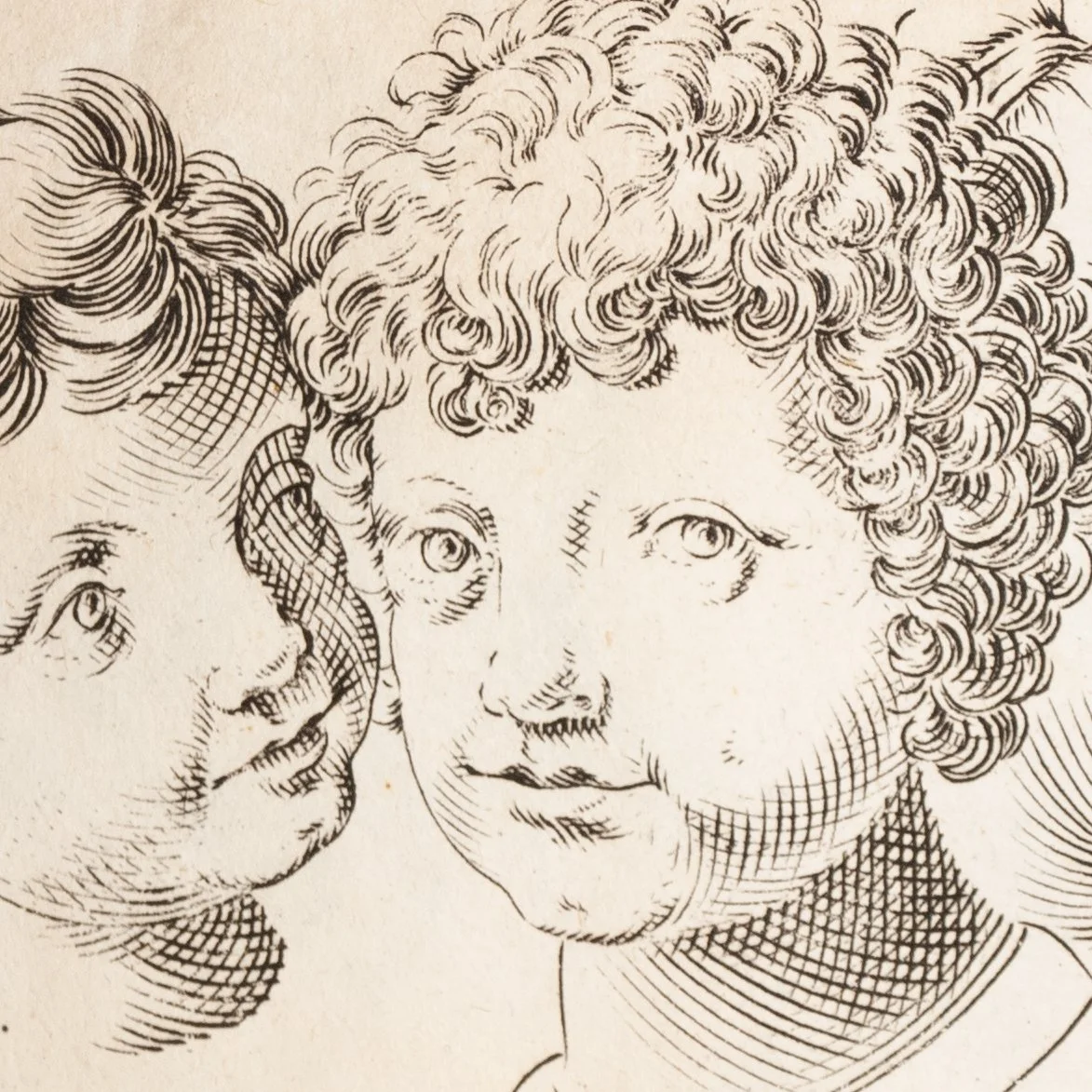 Image 1 of 14
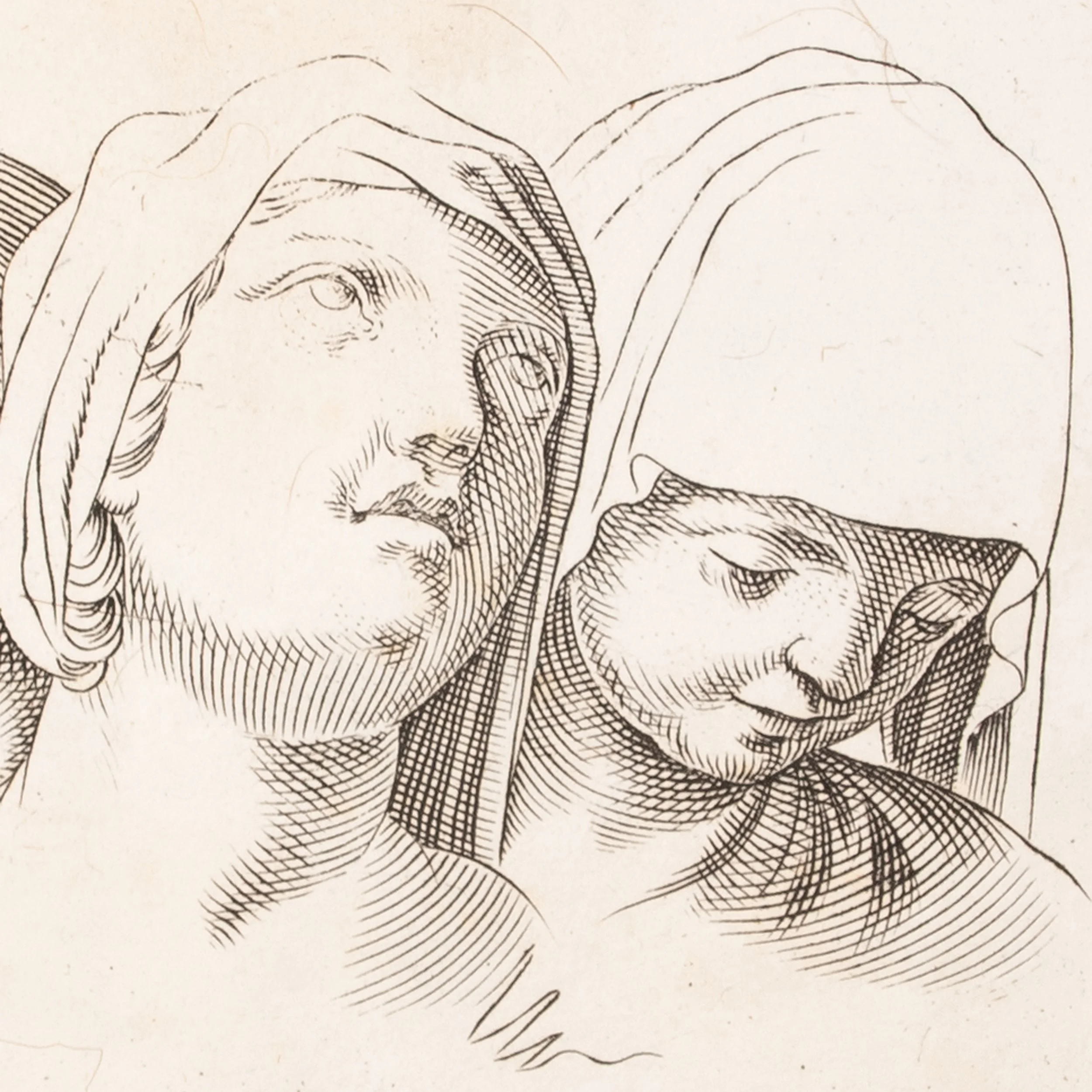 Image 2 of 14
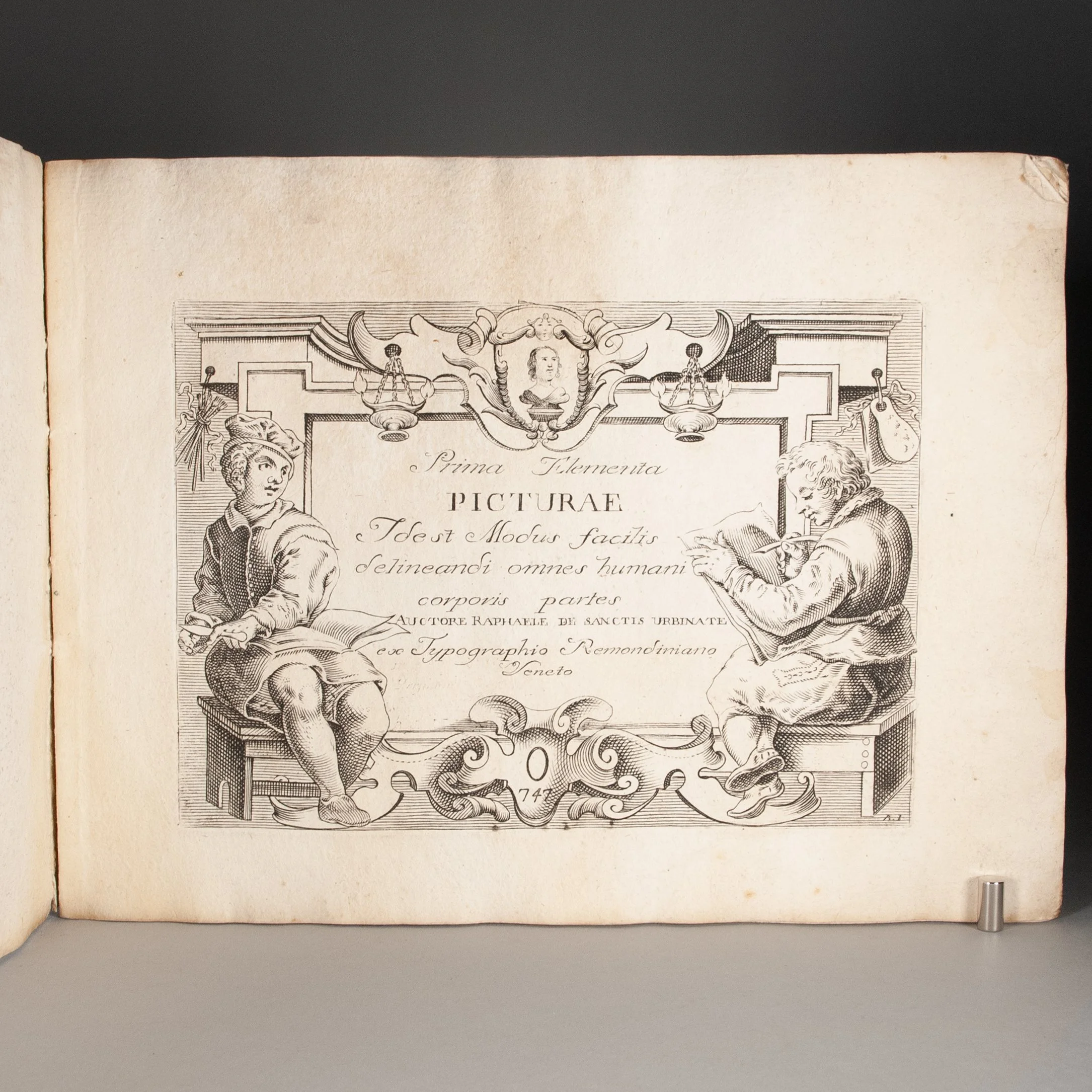 Image 3 of 14
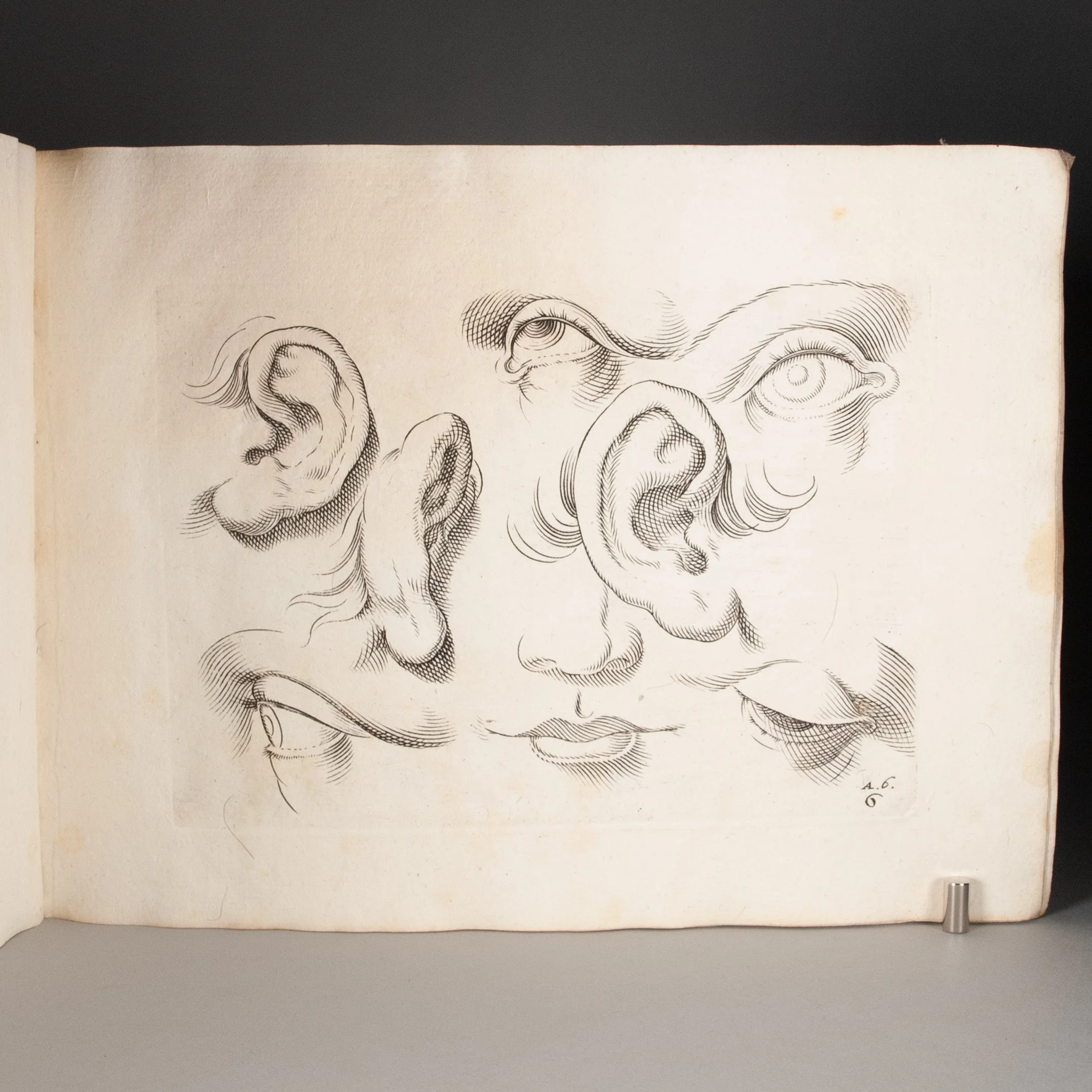 Image 4 of 14
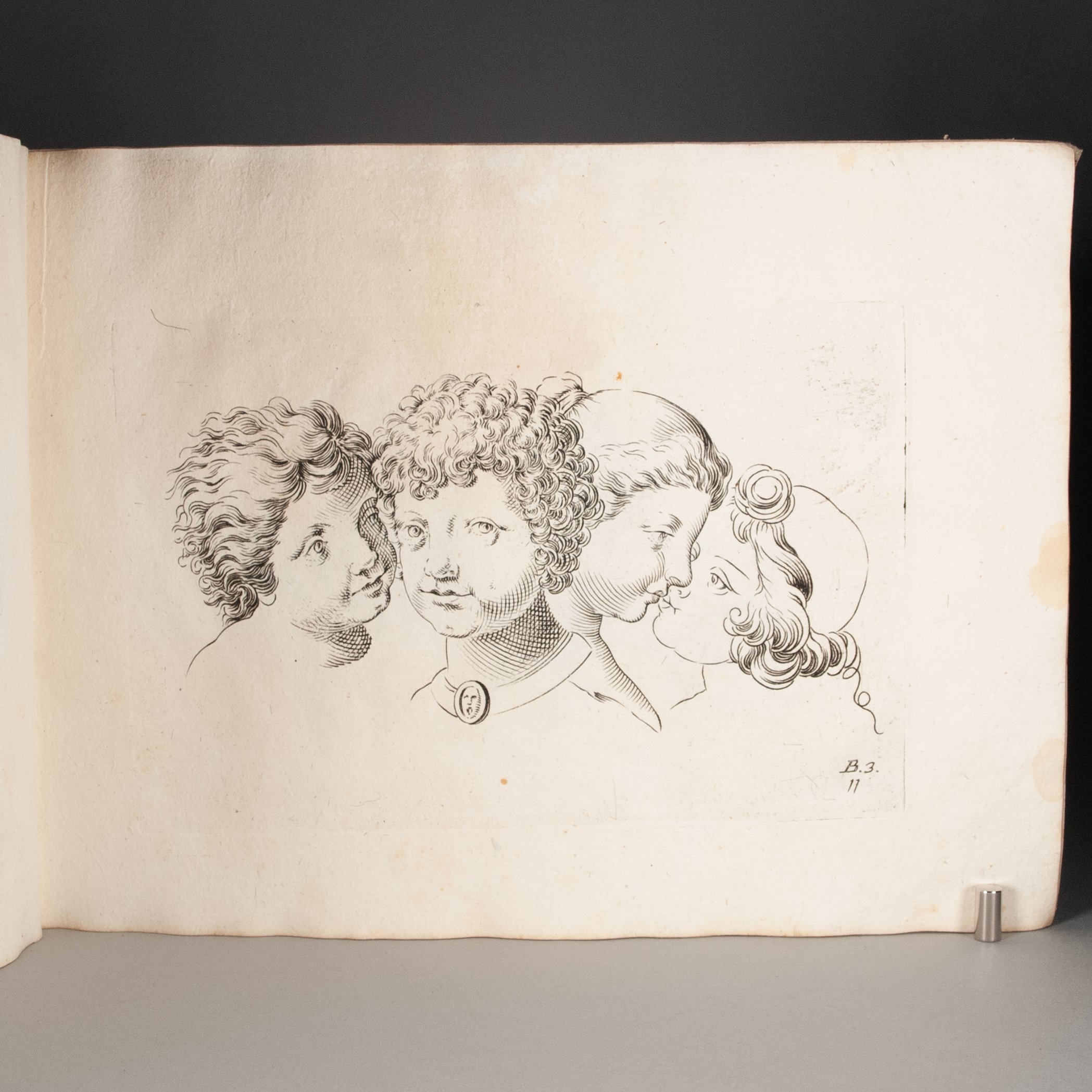 Image 5 of 14
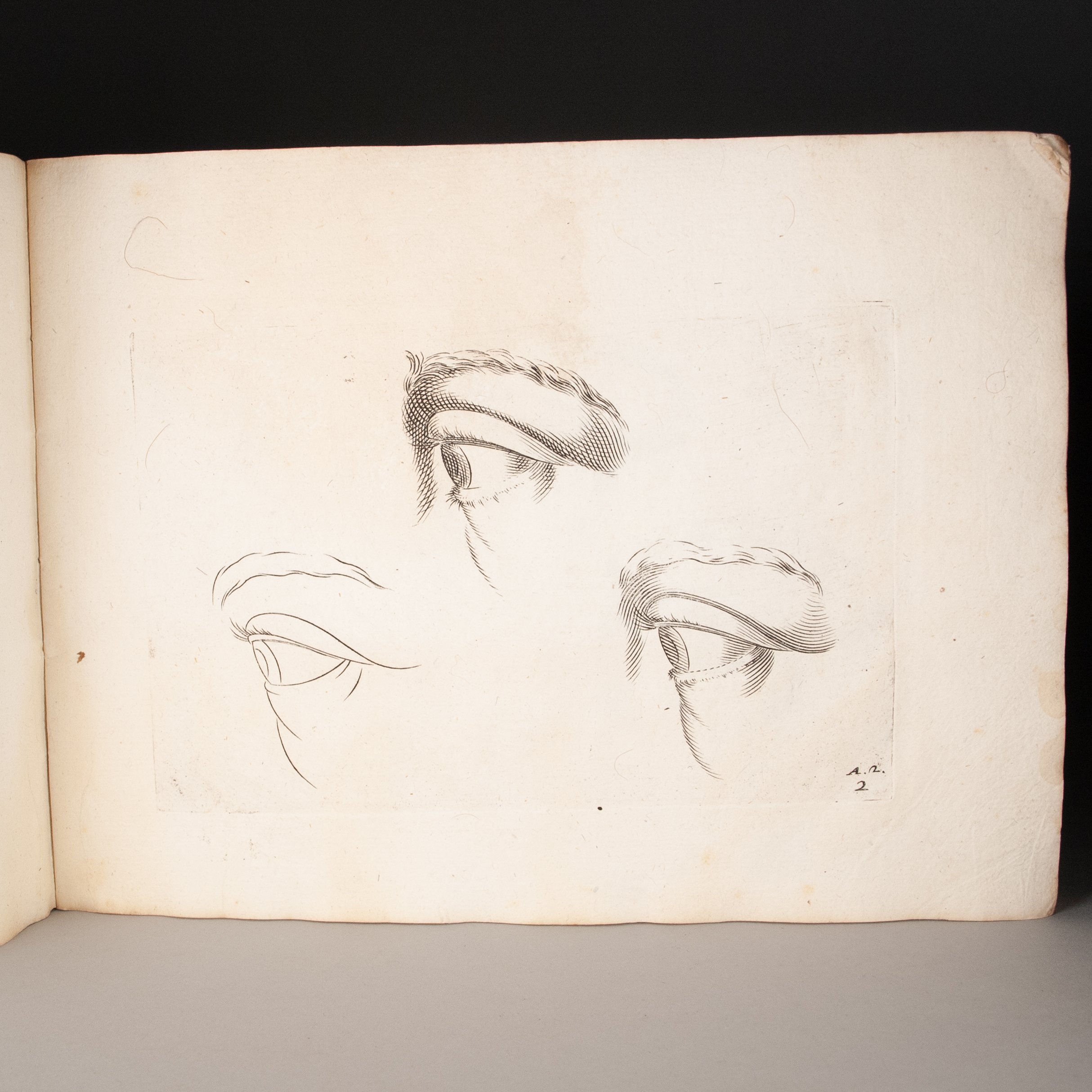 Image 6 of 14
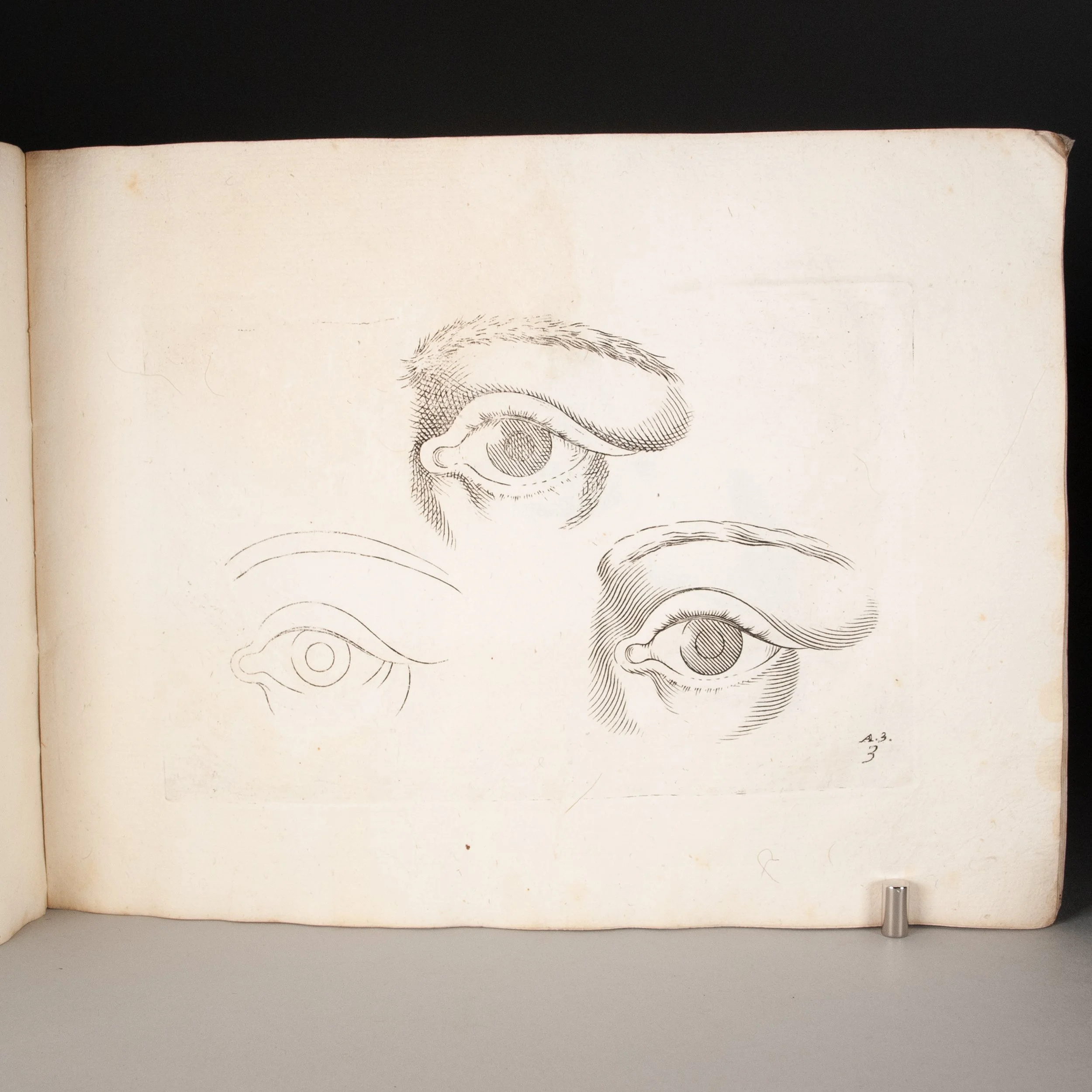 Image 7 of 14
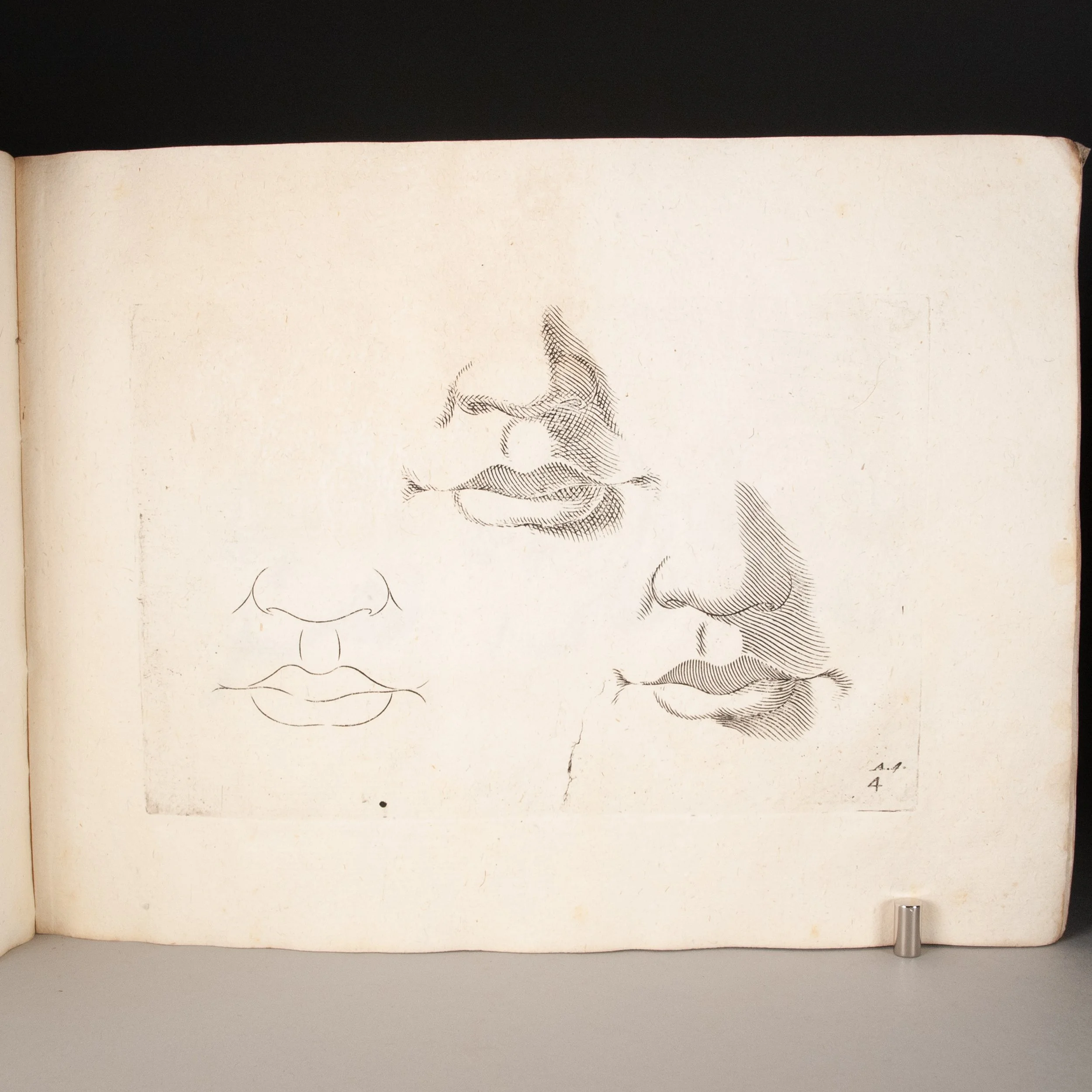 Image 8 of 14
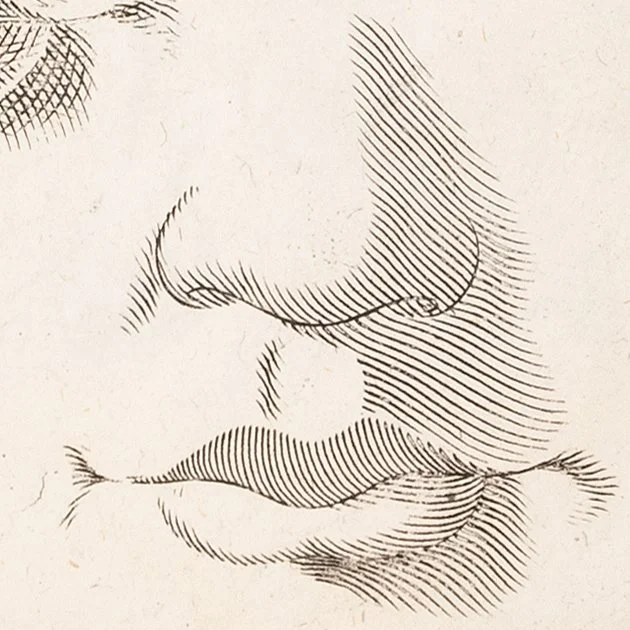 Image 9 of 14
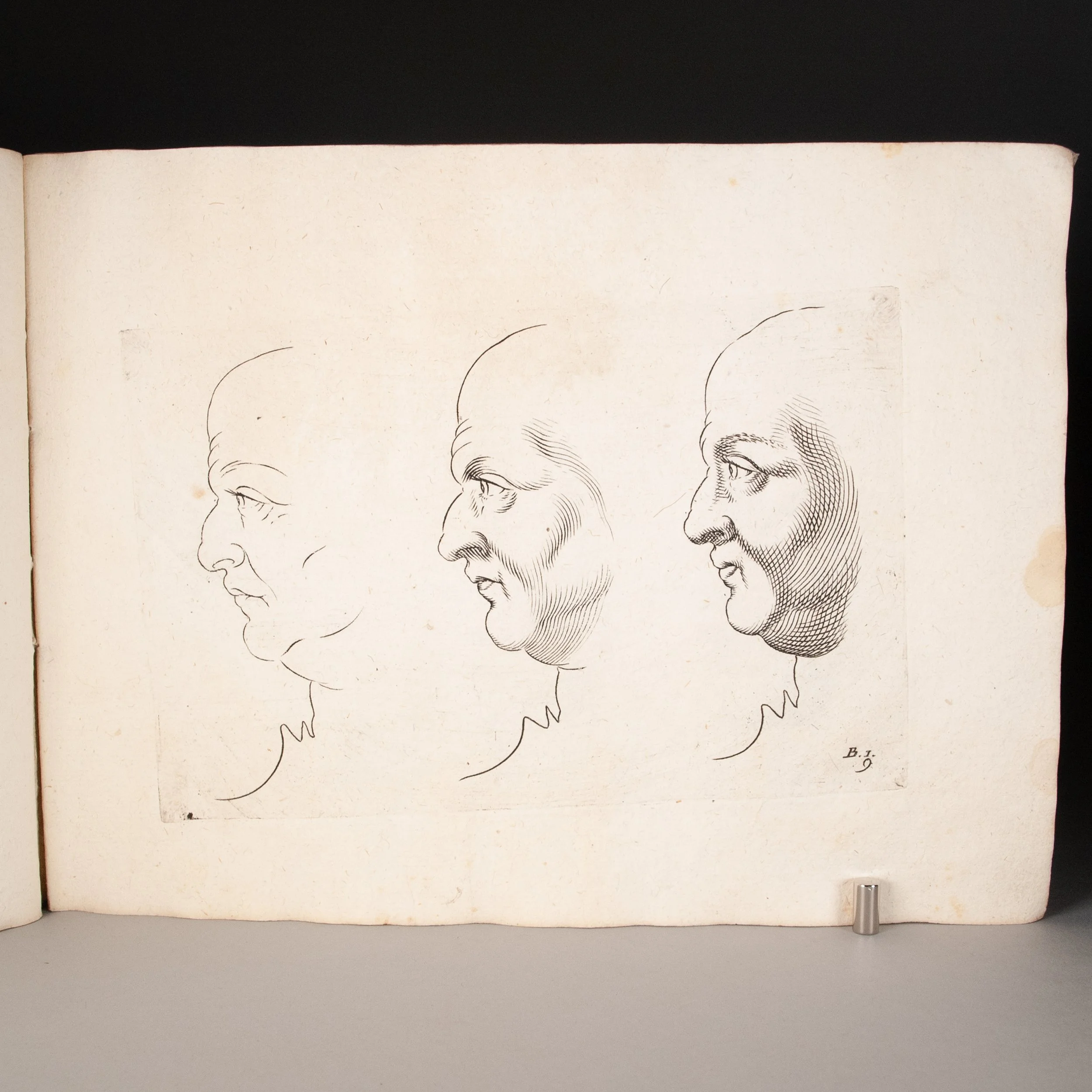 Image 10 of 14
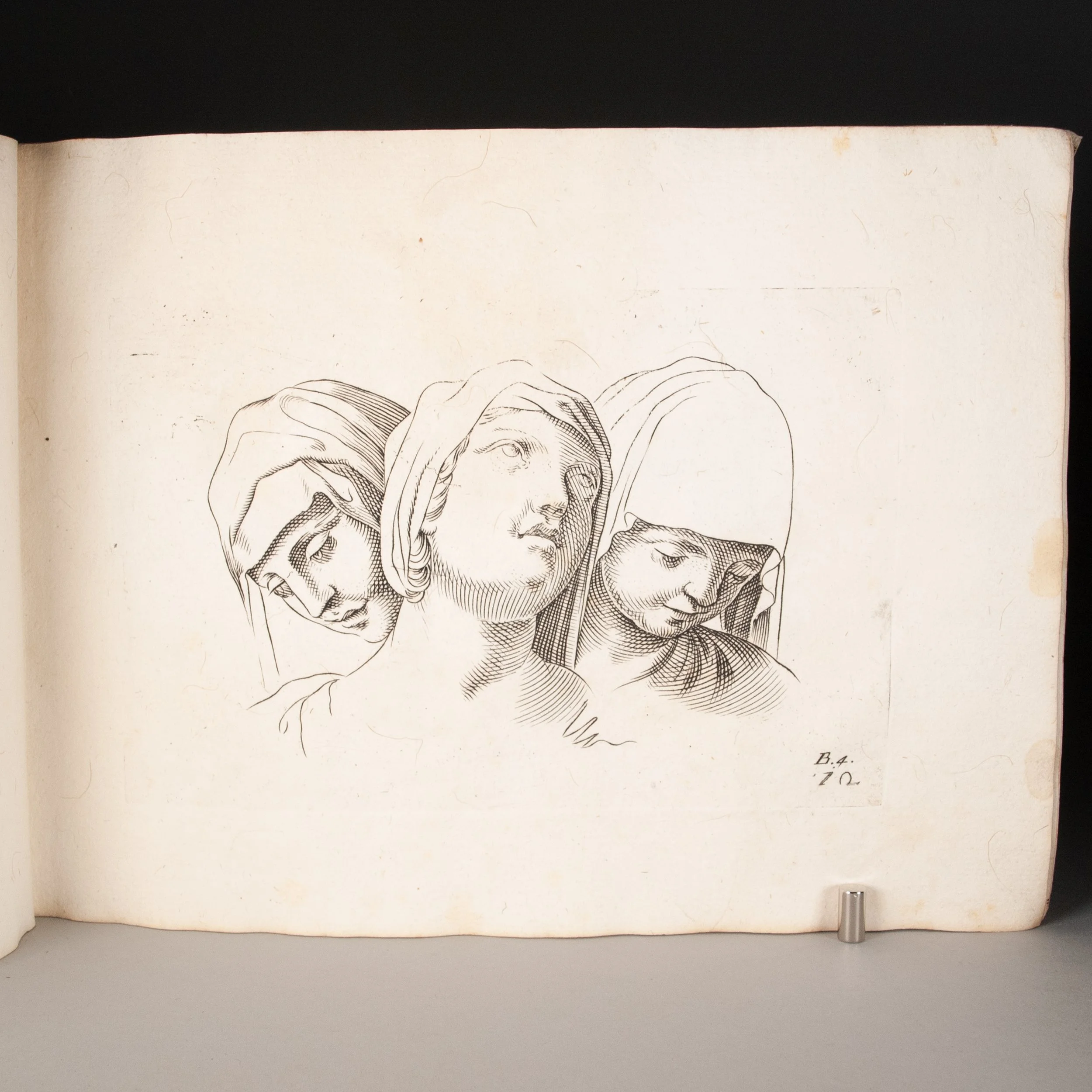 Image 11 of 14
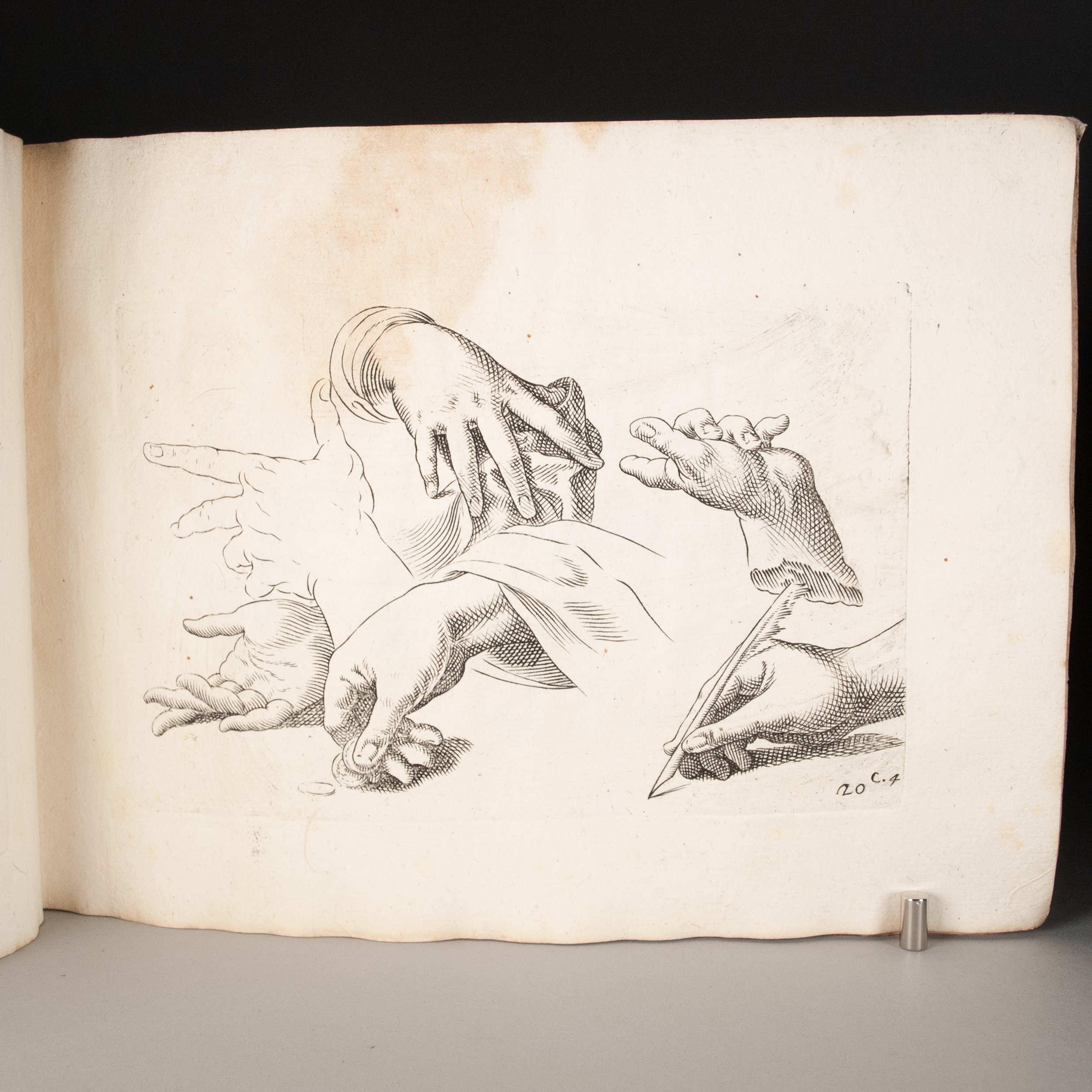 Image 12 of 14
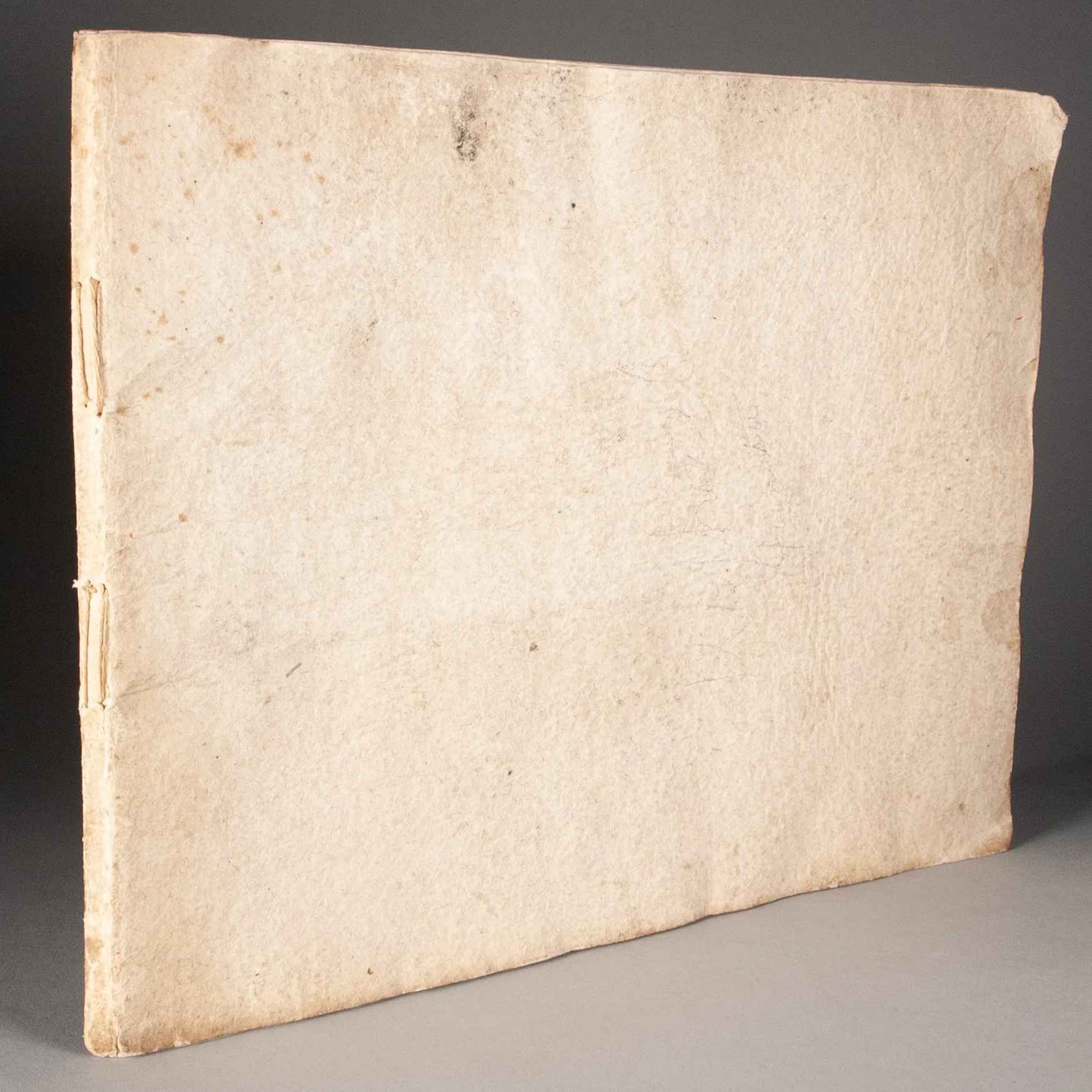 Image 13 of 14
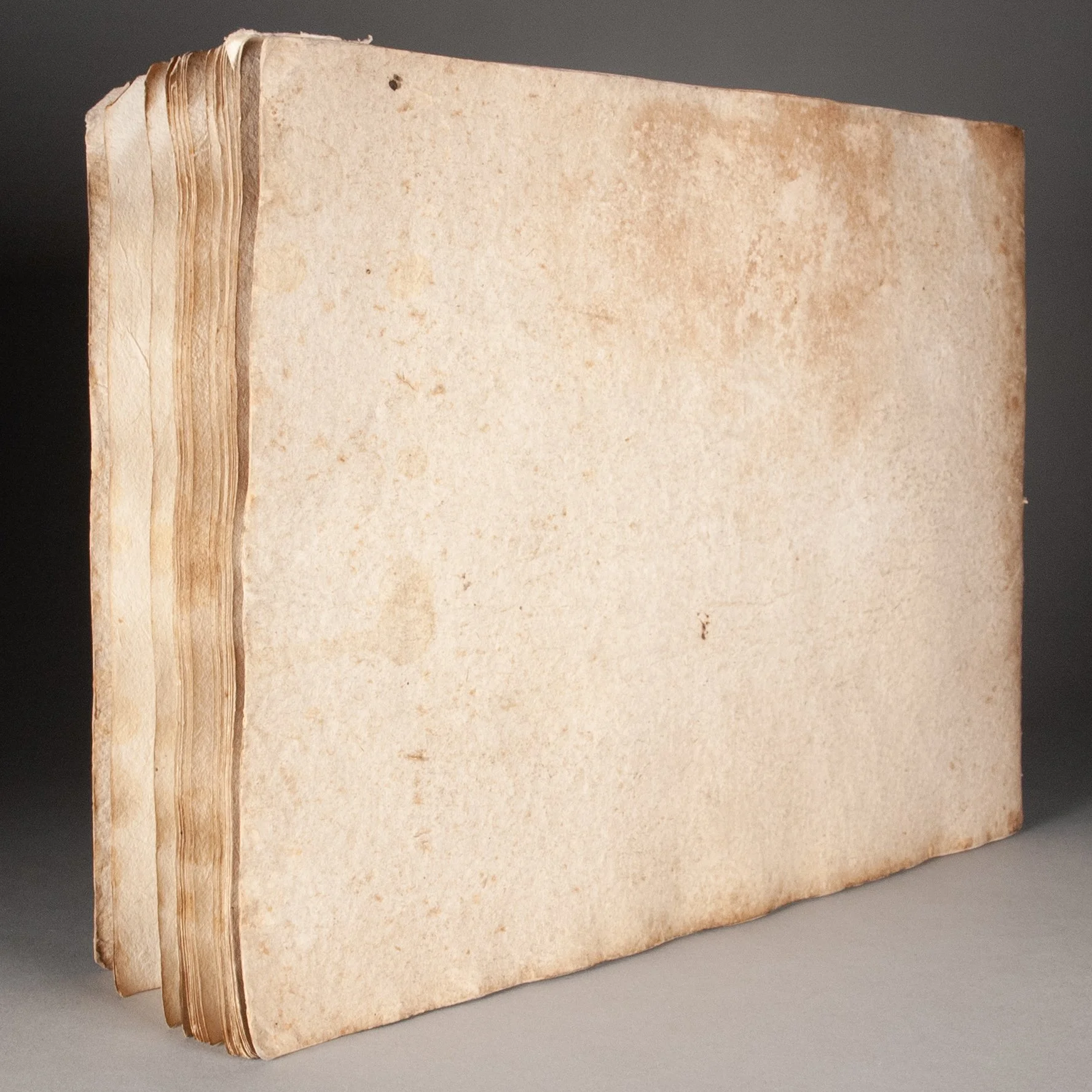 Image 14 of 14