Otia delectant faciuntq[ue] laboribus aptos. / Robore quae firmant languida membra novo / Ast ignava quies frangit torpedine corpus, / Enervatq[ue] animum, nec sinit esse probum / Ergo mihi socors segni torpore sepultus / Non homo, sed vivus trieste cadaver erit.
designed by Abraham Bloemaert | engraved by Cornelis Bloemaert II | text by Hendrik de Roij
[Utrecht? ca. 1625-1630]
16 leaves | Bound suite of prints | 200 x 281 mm
A rare suite of etchings (with some burin work) portraying pastoral leisure scenes, an important contribution to the vast repertoire of Dutch genre art—a "remarkable group of images" for their positive portrayal of idleness (Gibson), "an important testament to genre iconology" (Raupp), and "unique in the 17th century in that it promotes a 'new qualified approach to work and to rest'" (Sheehan). Abraham's designs were likely finished by 1625, and published not long after, so scholars typically date these between 1625 and 1630, sometimes more precisely ca. 1626-1627. This would be prior to Cornelis's move to Paris in 1630, so we imagine they would have been printed in his hometown of Utrecht, or perhaps nearby in Amsterdam. Marcus Sadeler copied this series sometime later, his images reversed and with distichs on a single line. ¶ At a glance, these might come across as yet another critique of idle leisure. But the title poem instead offers a refreshing take on the subject: "the scenes are not about idleness, which weakens the body and bores the spirit, but reflect the well-deserved rest necessary to reinvigorate tired limbs, motivating people to resume their work" (Lis and Soly). The distichs beneath these images offer a similarly optimistic interpretation. The series belongs to a tradition of extolling the virtue of the hard-working farmer—often at the expense of the layabout aristocrat—that became fairly common in the sixteenth century. Why would such depictions of workers at rest not undermine the nobility of their work? "Humanists idealized both work and rest following work. They were inspired by Roman authors, who had emphasized their great exertions and their equally great enjoyment of their occasional rest, precisely because they were so busy." Flemish painters, Pieter Bruegel the Young among them, participated in this tradition, too. ¶ Art historian Walter S. Gibson suggests this series of etchings "has about it a strong air of improvisation, as if Cornelis Bloemaert had assembled a disparate group of figure studies...of the kind that his father produced in great numbers all his life, and then hit on a somewhat contrived theme that would help him in marketing them to the print-buying public." Perhaps so, though that should hardly diminish their quality. Abraham was easily one of Utrecht's best artists at the time. He early on worked in the Mannerist style, "then in a Caravaggesque manner, finally adopting a distinctive synthesis of both approaches" (Wansink). There's clear Caravaggio influence here—not only in Abraham's use of ordinary people, but equally in his compositional style, as if taking candid snapshots of everyday life. It feels like the kind of series that only the Dutch Golden Age could have produced, after Calvinist abandonment of lucrative religious commissions pushed Holland's artists to experiment for the open market with all manner of secular subjects. "Whereas countries like France sought to monopolise production and trade under the auspices of the state, market conditions in the Dutch Republic allowed for unprecedented freedom...Seventeenth-century visual culture proliferated in all directions, like so many branches on a shared Renaissance trunk" (Jonckheere). And the Dutch people bought heavily—"what was absent in churches and in the streets was amply compensated for in the living rooms of the well-to-do middle class, who collected on an unprecedented scale in the Dutch Republic, massively stimulating artistic production." Not just prints like these, but even small paintings were commonly found in homes. ¶ A significant series of prints, and rare. We find just a single complete copy in auction records.
CONDITION: Recent patterned paper boards, the prints—each roughly 117 x 152 mm—hinged to a heavy, high-quality Arches paper. The etchings on laid paper watermarked with a fleur-de-lis on a shield, surmounted by a crown, with initials PR beneath. This is very similar to Churchill 378, which he found in use in 1636. ¶ The prints trimmed to the plate line, but never quite touching the borders; a few prints lightly toned, and a few with faint, old creases. Really a nice set, and handsomely bound.
REFERENCES: Fr.-J. Olivier, Catalogue d'une grande et belle vente de livres (1872), p. 37, #337 ("suite of 16 pieces, including the title") ¶ Catharina Lis and Hugo Soly, Worthy Efforts: Attitudes to Work and Workers in Pre-Industrial Europe (2012), p. 188 (cited above; "In addition to images that—indirectly—contrasted the active and useful existence of rustics with the parasitic and hedonistic lives of the aristocracy, paintings and engravings were produced depicting inactive farmers. Both types of representations are known to have been purchased by citizens."); Walter S. Gibson, Pleasant Places: The Rustic Landscape from Bruegel to Ruisdael (2000), p. 133 ("A more positive interpretation of idleness can be found in a series of sixteen etchings made after the designs of Abraham Bloemaert by his son Cornelis, who published them probably sometime between 1620 and 1625...They are not really landscapes but figure studies often in the sketchiest of outdoor settings; however, their protagonists do much the same thing as the idlers in the Dutch landscapes, that is, they do very little: they sit, recline, even sleep."), 134 (cited above, and identifying Hendrik de Roij as probable author, "city physician of Utrecht and a nephew of Abraham Bloemaert's second wife"); Kelly Sheehan, Printmakers of the Baroque: 17th-century Explorations of Space and Light (2014), p. 63 (cited above; dating the Hunter Resting by a Tree print ca. 1626; "Abraham Bloemaert conceived the series around 1620-25, and most of the prints were engraved by his son Cornelis soon thereafter...Here rest is not a vice but rather it is something to be enjoyed by those who work earnestly, honestly and piously"); Annette de Vries, Ingelijst werk: de verbeelding van arbeid en beroep in de vroegmoderne Nederlanden (2004), p. 45 (dating the series ca. 1627-1630); Hans-Joachim Raupp, Review of Abraham Bloemaert and His Sons, Zeitschrift für Kunstgeschichte 57.4 (1994), p. 714 (cited above); Alison McNeil Kettering, "Rembrandt's 'Flute Player': A Unique Treatment of Pastoral," Simiolus 9.1 (1977), p. 40n82 (speaking of this Rembrandt painting: "There are few such scenes in earlier Dutch art which can be compared to this outdoor concert. One example, however, is Cornelis Bloemaert's series of prints (after designs by his father), executed ca. 1620-25, Otia delectant"); C.J.A. Wansink, "Bloemaert, Abraham," Grove Art Online (2003), accessed online ("Country life was to remain a favourite subject, which he depicted with increasing naturalism...Still under the influence of the Utrecht Caravaggisti, he also painted several small pastoral landscapes with peasants and shepherds"); "Bloemaert, Cornelis II, the Younger," Benezit Dictionary of Artists (2011), accessed online (brief bio of Cornelis); Koenraad Jonckheere, A New History of Western Art (2022), p. 81 (cited above), 315 (cited above), 424 ("An infinite variety of genres and themes typified the thriving Dutch art market, with dozens of talented artists painting history pieces, portraits, genre scenes, landscapes, still lifes, and more, in the Republic's main cities"); W.A. Churchill, Watermarks in Paper in Holland, England, France, etc. in the XVII and XVIII centuries and their interconnection (1935), #378
Item #953
Otia delectant faciuntq[ue] laboribus aptos. / Robore quae firmant languida membra novo / Ast ignava quies frangit torpedine corpus, / Enervatq[ue] animum, nec sinit esse probum / Ergo mihi socors segni torpore sepultus / Non homo, sed vivus trieste cadaver erit.
designed by Abraham Bloemaert | engraved by Cornelis Bloemaert II | text by Hendrik de Roij
[Utrecht? ca. 1625-1630]
16 leaves | Bound suite of prints | 200 x 281 mm
A rare suite of etchings (with some burin work) portraying pastoral leisure scenes, an important contribution to the vast repertoire of Dutch genre art—a "remarkable group of images" for their positive portrayal of idleness (Gibson), "an important testament to genre iconology" (Raupp), and "unique in the 17th century in that it promotes a 'new qualified approach to work and to rest'" (Sheehan). Abraham's designs were likely finished by 1625, and published not long after, so scholars typically date these between 1625 and 1630, sometimes more precisely ca. 1626-1627. This would be prior to Cornelis's move to Paris in 1630, so we imagine they would have been printed in his hometown of Utrecht, or perhaps nearby in Amsterdam. Marcus Sadeler copied this series sometime later, his images reversed and with distichs on a single line. ¶ At a glance, these might come across as yet another critique of idle leisure. But the title poem instead offers a refreshing take on the subject: "the scenes are not about idleness, which weakens the body and bores the spirit, but reflect the well-deserved rest necessary to reinvigorate tired limbs, motivating people to resume their work" (Lis and Soly). The distichs beneath these images offer a similarly optimistic interpretation. The series belongs to a tradition of extolling the virtue of the hard-working farmer—often at the expense of the layabout aristocrat—that became fairly common in the sixteenth century. Why would such depictions of workers at rest not undermine the nobility of their work? "Humanists idealized both work and rest following work. They were inspired by Roman authors, who had emphasized their great exertions and their equally great enjoyment of their occasional rest, precisely because they were so busy." Flemish painters, Pieter Bruegel the Young among them, participated in this tradition, too. ¶ Art historian Walter S. Gibson suggests this series of etchings "has about it a strong air of improvisation, as if Cornelis Bloemaert had assembled a disparate group of figure studies...of the kind that his father produced in great numbers all his life, and then hit on a somewhat contrived theme that would help him in marketing them to the print-buying public." Perhaps so, though that should hardly diminish their quality. Abraham was easily one of Utrecht's best artists at the time. He early on worked in the Mannerist style, "then in a Caravaggesque manner, finally adopting a distinctive synthesis of both approaches" (Wansink). There's clear Caravaggio influence here—not only in Abraham's use of ordinary people, but equally in his compositional style, as if taking candid snapshots of everyday life. It feels like the kind of series that only the Dutch Golden Age could have produced, after Calvinist abandonment of lucrative religious commissions pushed Holland's artists to experiment for the open market with all manner of secular subjects. "Whereas countries like France sought to monopolise production and trade under the auspices of the state, market conditions in the Dutch Republic allowed for unprecedented freedom...Seventeenth-century visual culture proliferated in all directions, like so many branches on a shared Renaissance trunk" (Jonckheere). And the Dutch people bought heavily—"what was absent in churches and in the streets was amply compensated for in the living rooms of the well-to-do middle class, who collected on an unprecedented scale in the Dutch Republic, massively stimulating artistic production." Not just prints like these, but even small paintings were commonly found in homes. ¶ A significant series of prints, and rare. We find just a single complete copy in auction records.
CONDITION: Recent patterned paper boards, the prints—each roughly 117 x 152 mm—hinged to a heavy, high-quality Arches paper. The etchings on laid paper watermarked with a fleur-de-lis on a shield, surmounted by a crown, with initials PR beneath. This is very similar to Churchill 378, which he found in use in 1636. ¶ The prints trimmed to the plate line, but never quite touching the borders; a few prints lightly toned, and a few with faint, old creases. Really a nice set, and handsomely bound.
REFERENCES: Fr.-J. Olivier, Catalogue d'une grande et belle vente de livres (1872), p. 37, #337 ("suite of 16 pieces, including the title") ¶ Catharina Lis and Hugo Soly, Worthy Efforts: Attitudes to Work and Workers in Pre-Industrial Europe (2012), p. 188 (cited above; "In addition to images that—indirectly—contrasted the active and useful existence of rustics with the parasitic and hedonistic lives of the aristocracy, paintings and engravings were produced depicting inactive farmers. Both types of representations are known to have been purchased by citizens."); Walter S. Gibson, Pleasant Places: The Rustic Landscape from Bruegel to Ruisdael (2000), p. 133 ("A more positive interpretation of idleness can be found in a series of sixteen etchings made after the designs of Abraham Bloemaert by his son Cornelis, who published them probably sometime between 1620 and 1625...They are not really landscapes but figure studies often in the sketchiest of outdoor settings; however, their protagonists do much the same thing as the idlers in the Dutch landscapes, that is, they do very little: they sit, recline, even sleep."), 134 (cited above, and identifying Hendrik de Roij as probable author, "city physician of Utrecht and a nephew of Abraham Bloemaert's second wife"); Kelly Sheehan, Printmakers of the Baroque: 17th-century Explorations of Space and Light (2014), p. 63 (cited above; dating the Hunter Resting by a Tree print ca. 1626; "Abraham Bloemaert conceived the series around 1620-25, and most of the prints were engraved by his son Cornelis soon thereafter...Here rest is not a vice but rather it is something to be enjoyed by those who work earnestly, honestly and piously"); Annette de Vries, Ingelijst werk: de verbeelding van arbeid en beroep in de vroegmoderne Nederlanden (2004), p. 45 (dating the series ca. 1627-1630); Hans-Joachim Raupp, Review of Abraham Bloemaert and His Sons, Zeitschrift für Kunstgeschichte 57.4 (1994), p. 714 (cited above); Alison McNeil Kettering, "Rembrandt's 'Flute Player': A Unique Treatment of Pastoral," Simiolus 9.1 (1977), p. 40n82 (speaking of this Rembrandt painting: "There are few such scenes in earlier Dutch art which can be compared to this outdoor concert. One example, however, is Cornelis Bloemaert's series of prints (after designs by his father), executed ca. 1620-25, Otia delectant"); C.J.A. Wansink, "Bloemaert, Abraham," Grove Art Online (2003), accessed online ("Country life was to remain a favourite subject, which he depicted with increasing naturalism...Still under the influence of the Utrecht Caravaggisti, he also painted several small pastoral landscapes with peasants and shepherds"); "Bloemaert, Cornelis II, the Younger," Benezit Dictionary of Artists (2011), accessed online (brief bio of Cornelis); Koenraad Jonckheere, A New History of Western Art (2022), p. 81 (cited above), 315 (cited above), 424 ("An infinite variety of genres and themes typified the thriving Dutch art market, with dozens of talented artists painting history pieces, portraits, genre scenes, landscapes, still lifes, and more, in the Republic's main cities"); W.A. Churchill, Watermarks in Paper in Holland, England, France, etc. in the XVII and XVIII centuries and their interconnection (1935), #378
Item #953

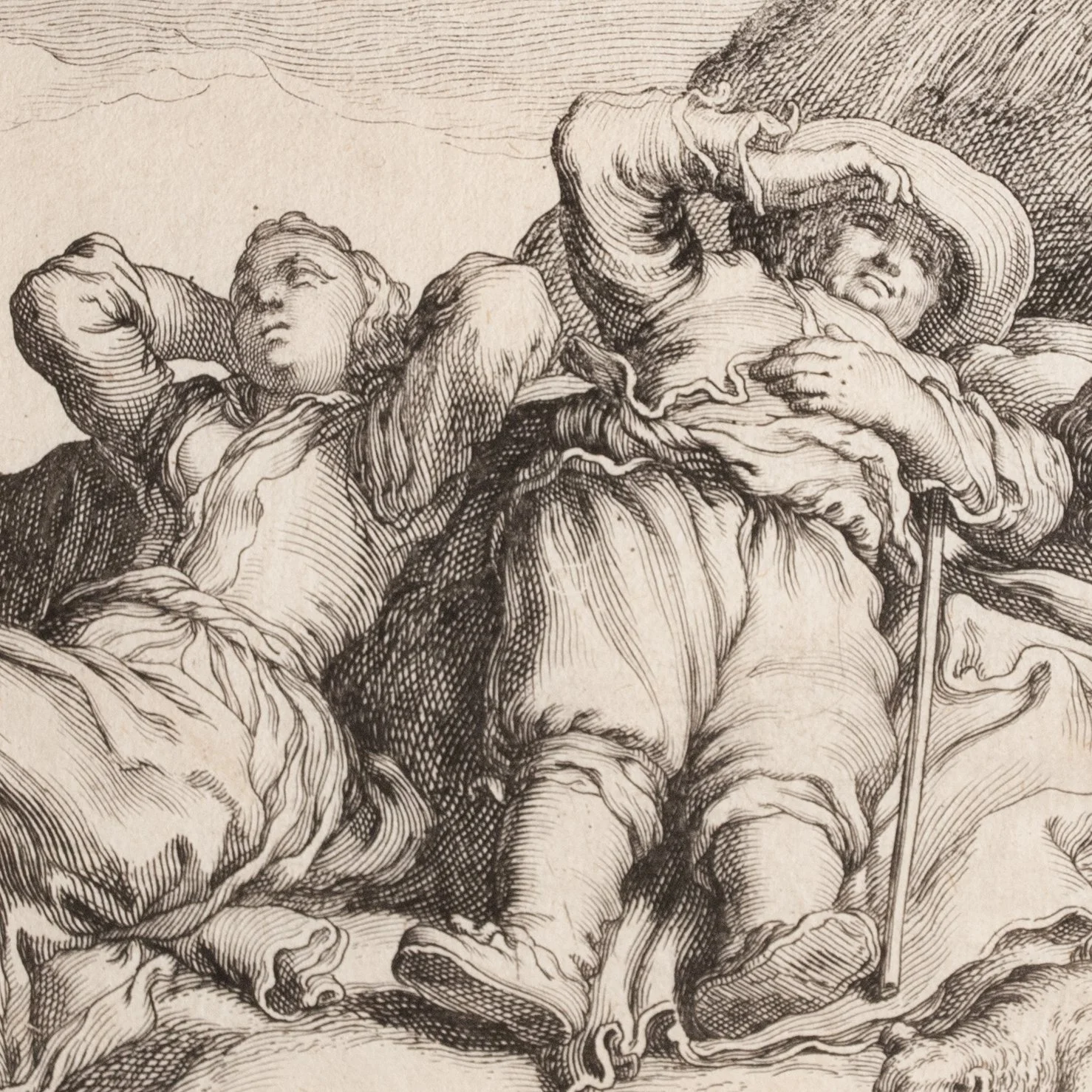 Image 1 of 22
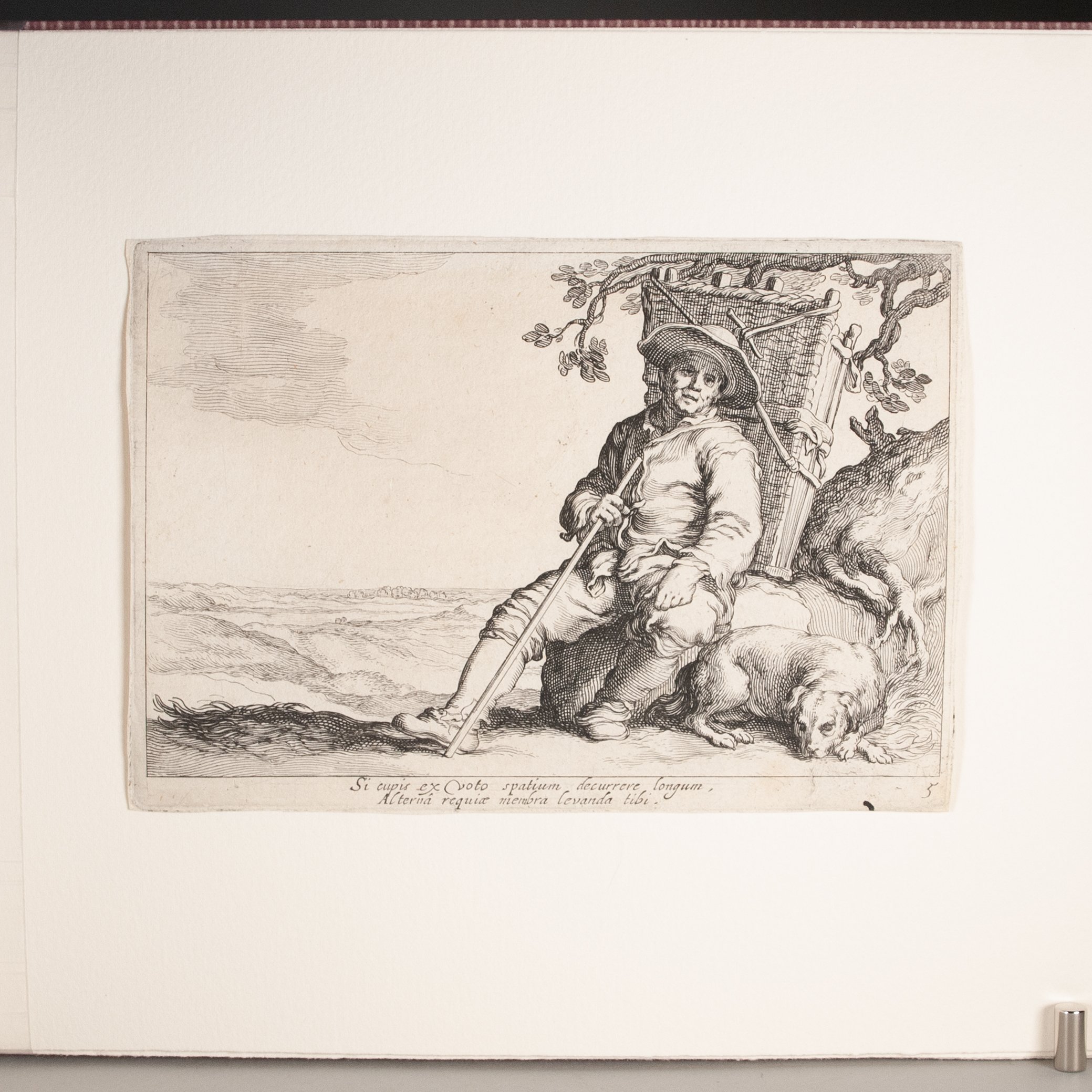 Image 2 of 22
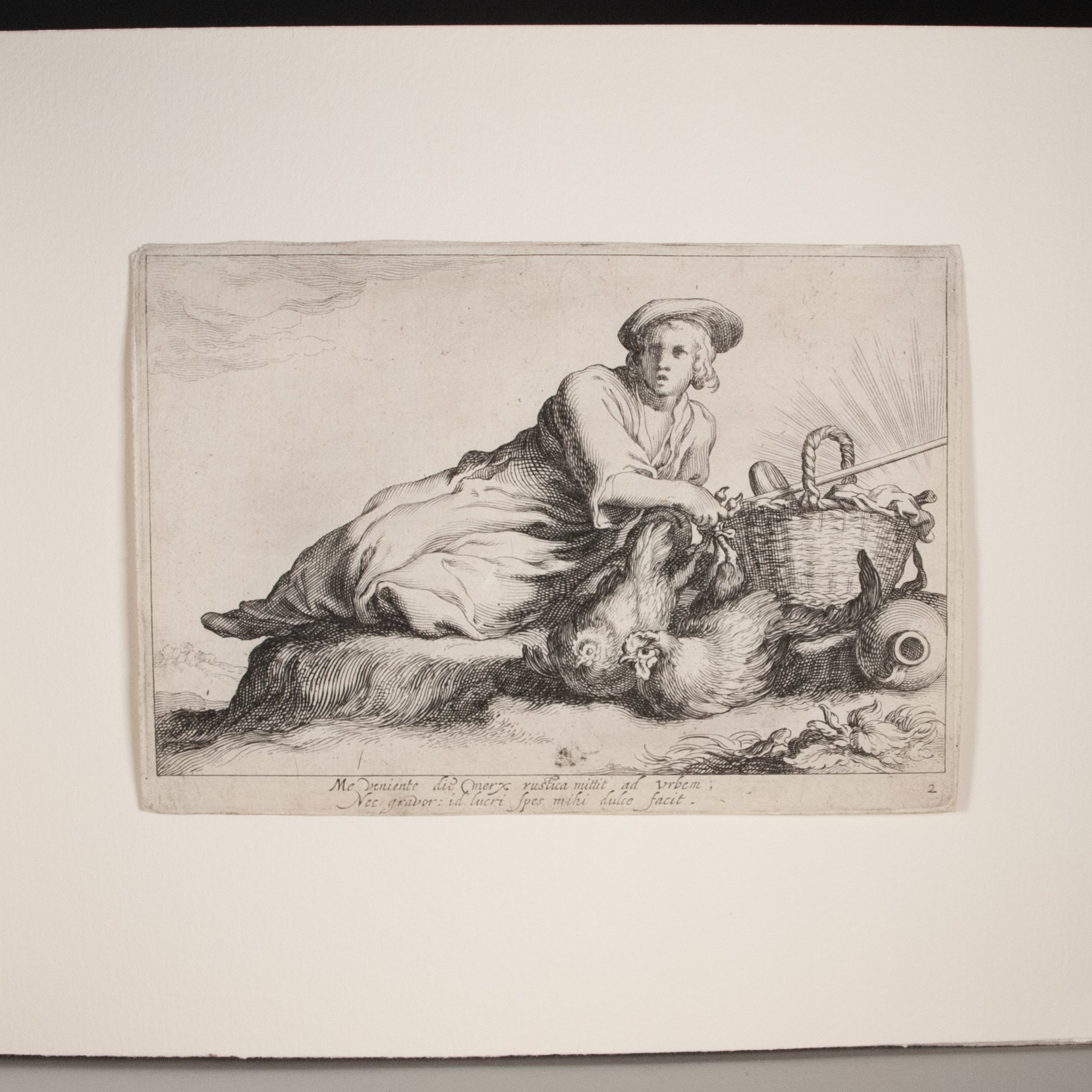 Image 3 of 22
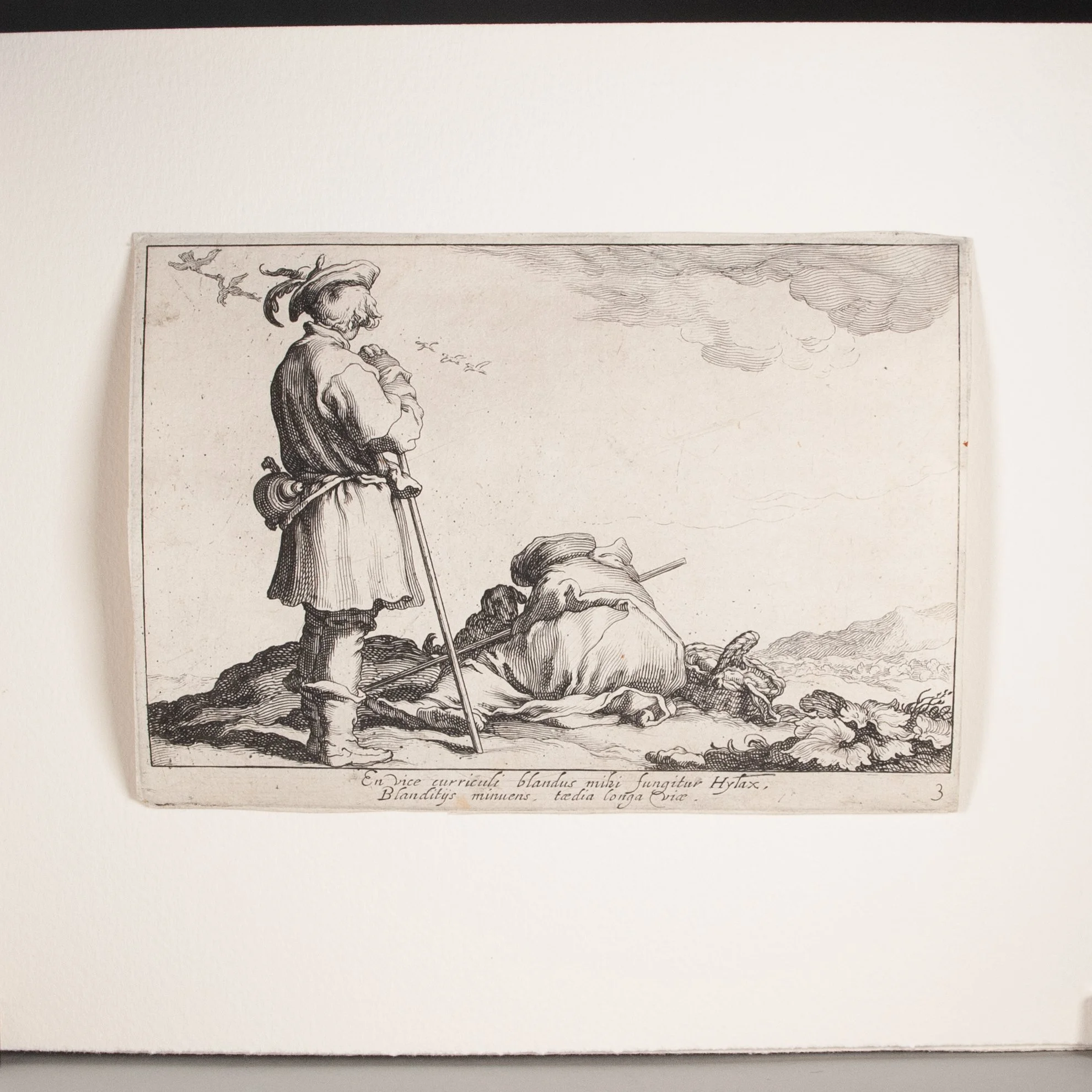 Image 4 of 22
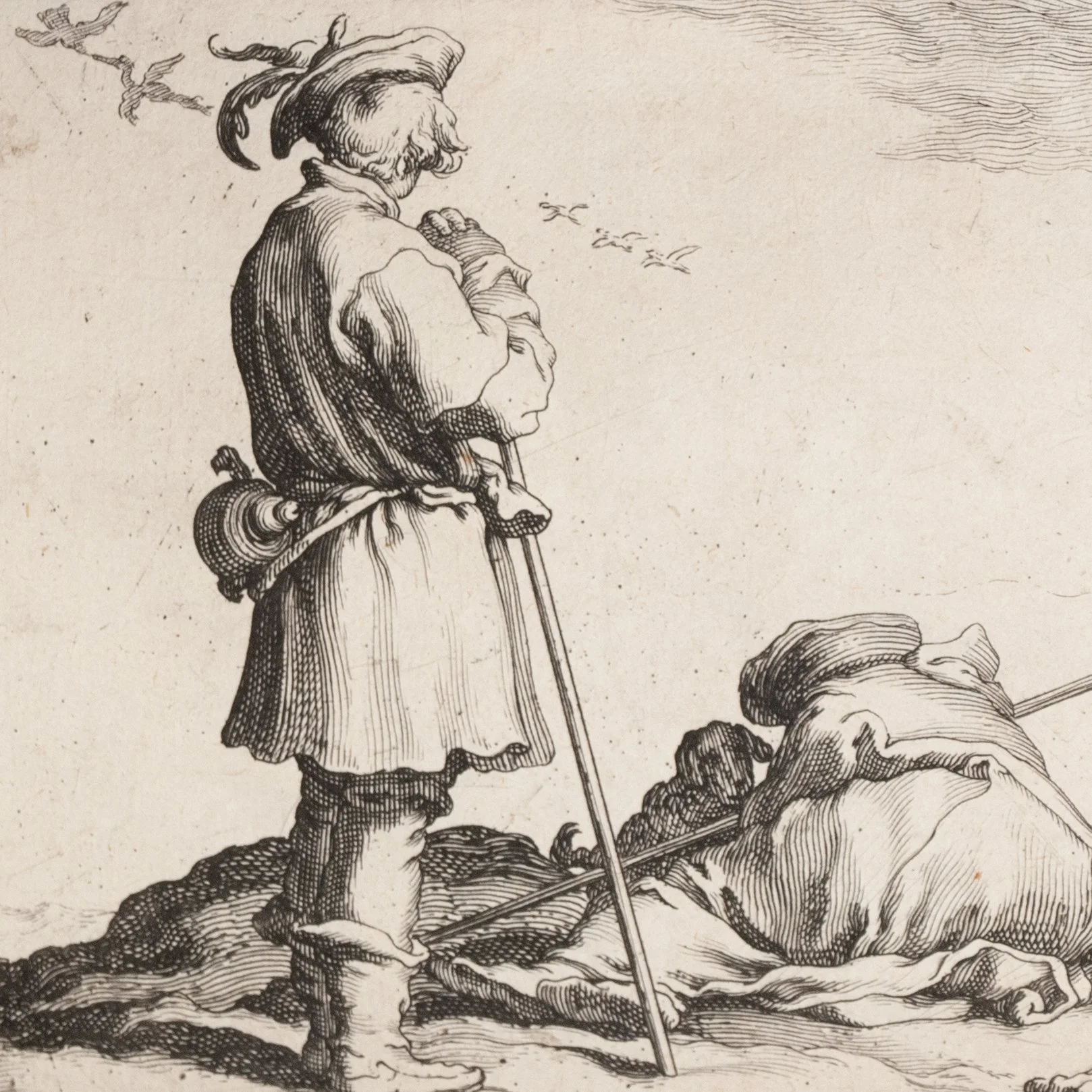 Image 5 of 22
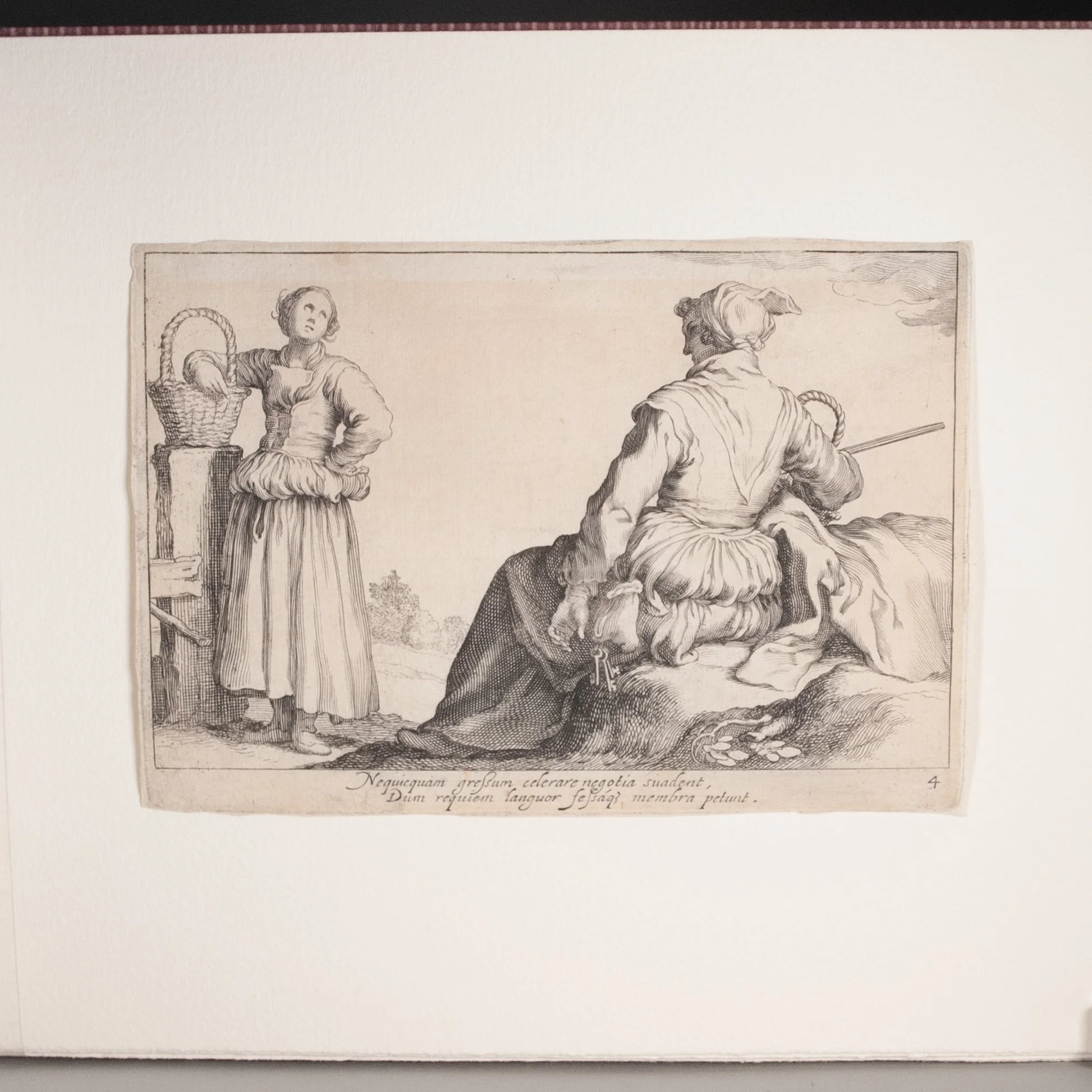 Image 6 of 22
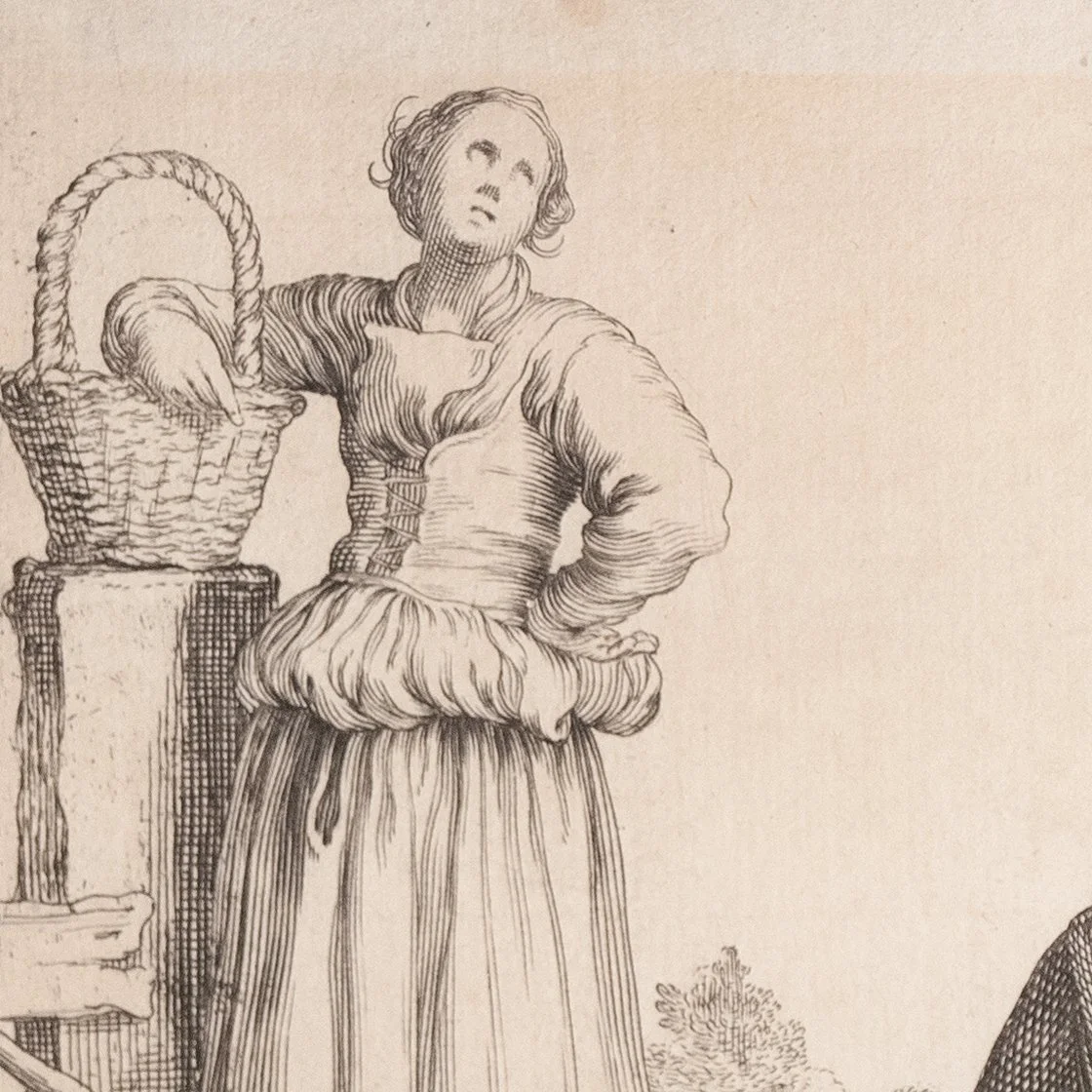 Image 7 of 22
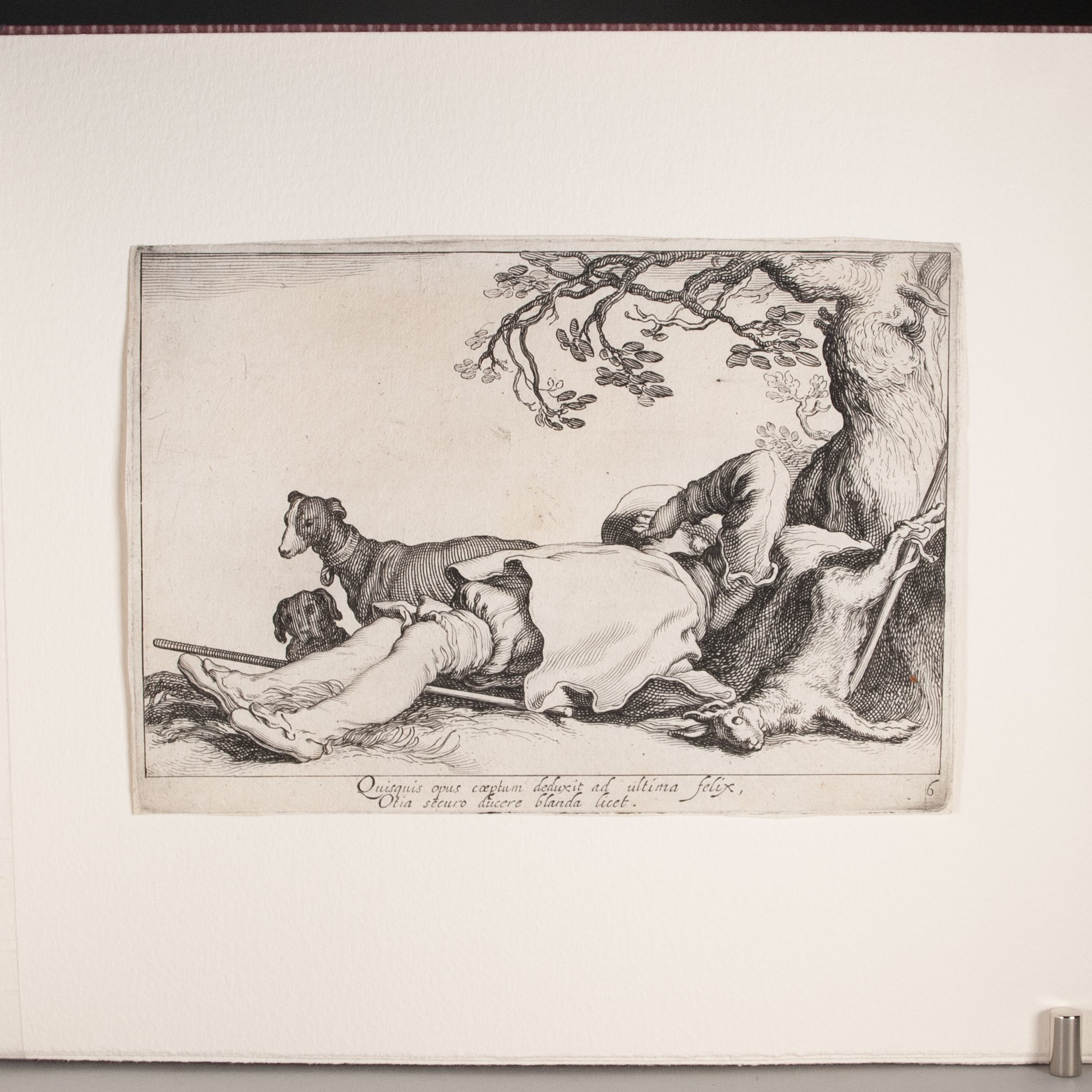 Image 8 of 22
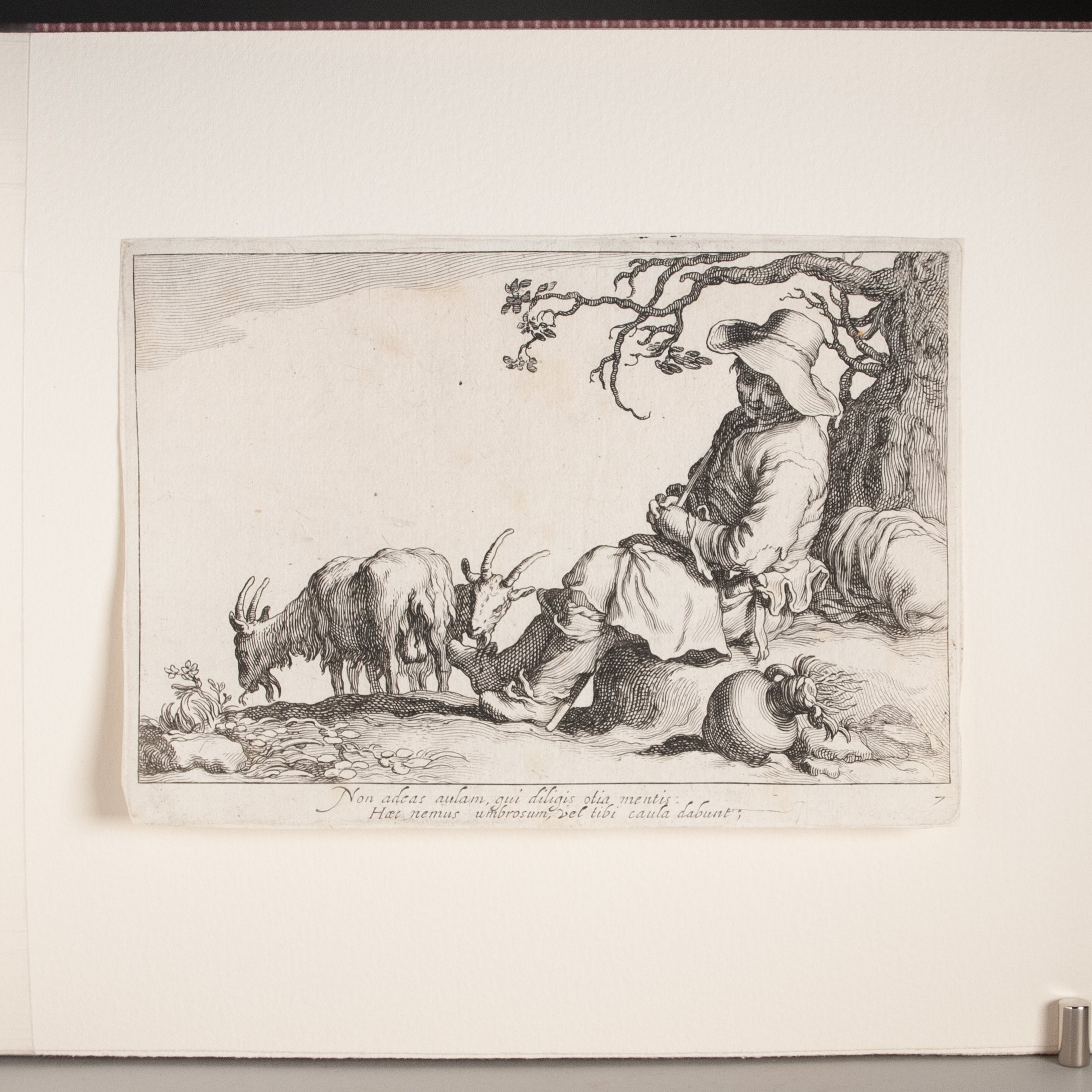 Image 9 of 22
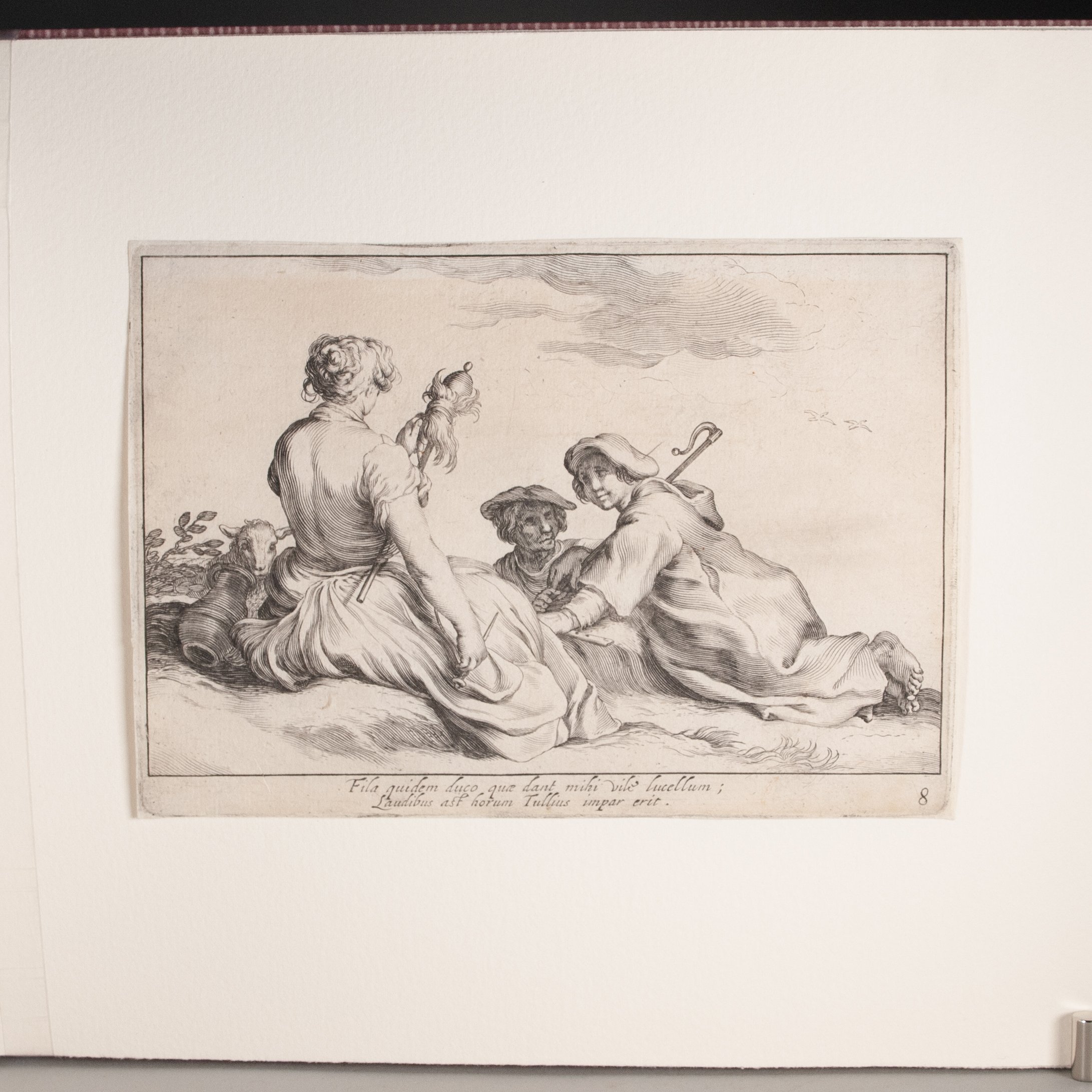 Image 10 of 22
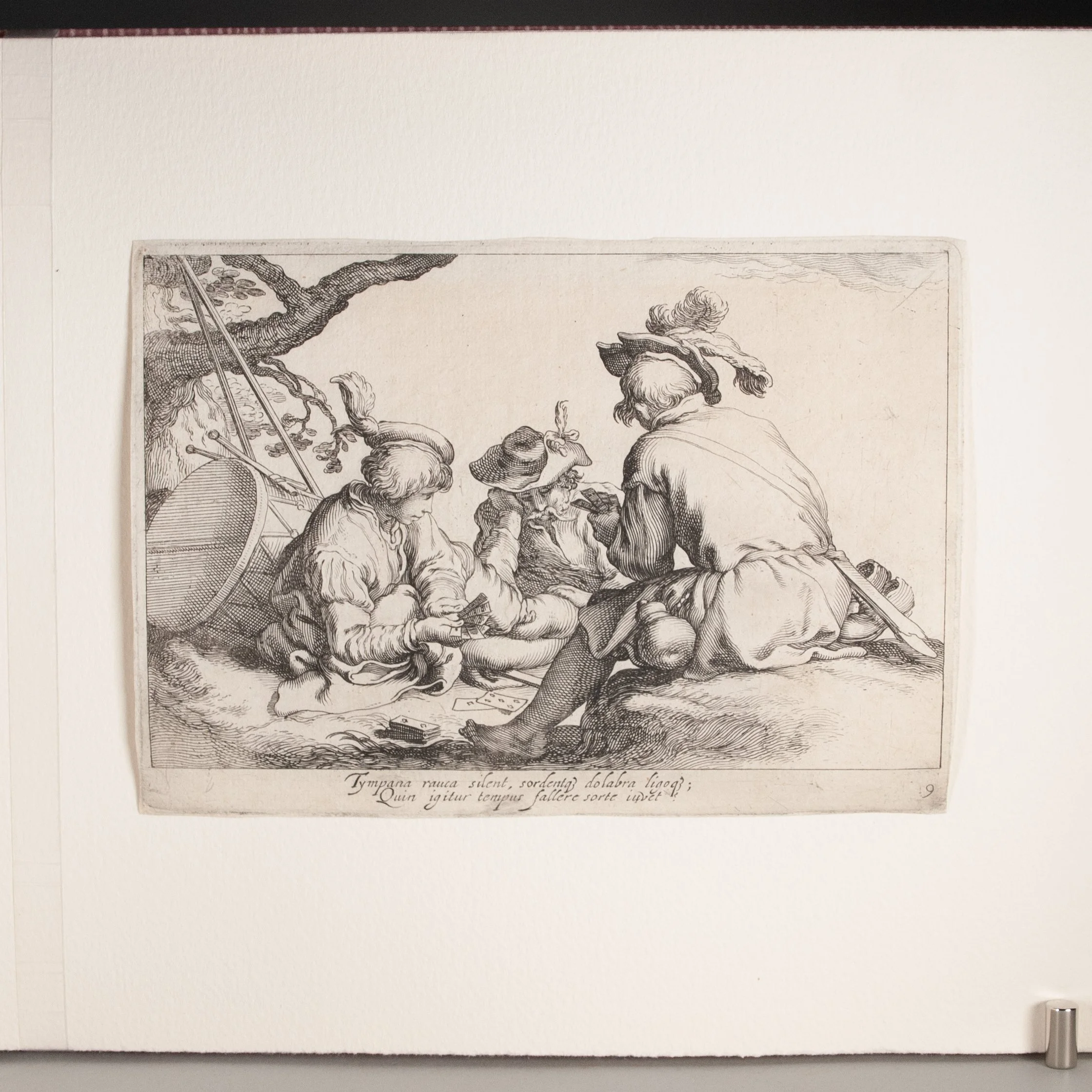 Image 11 of 22
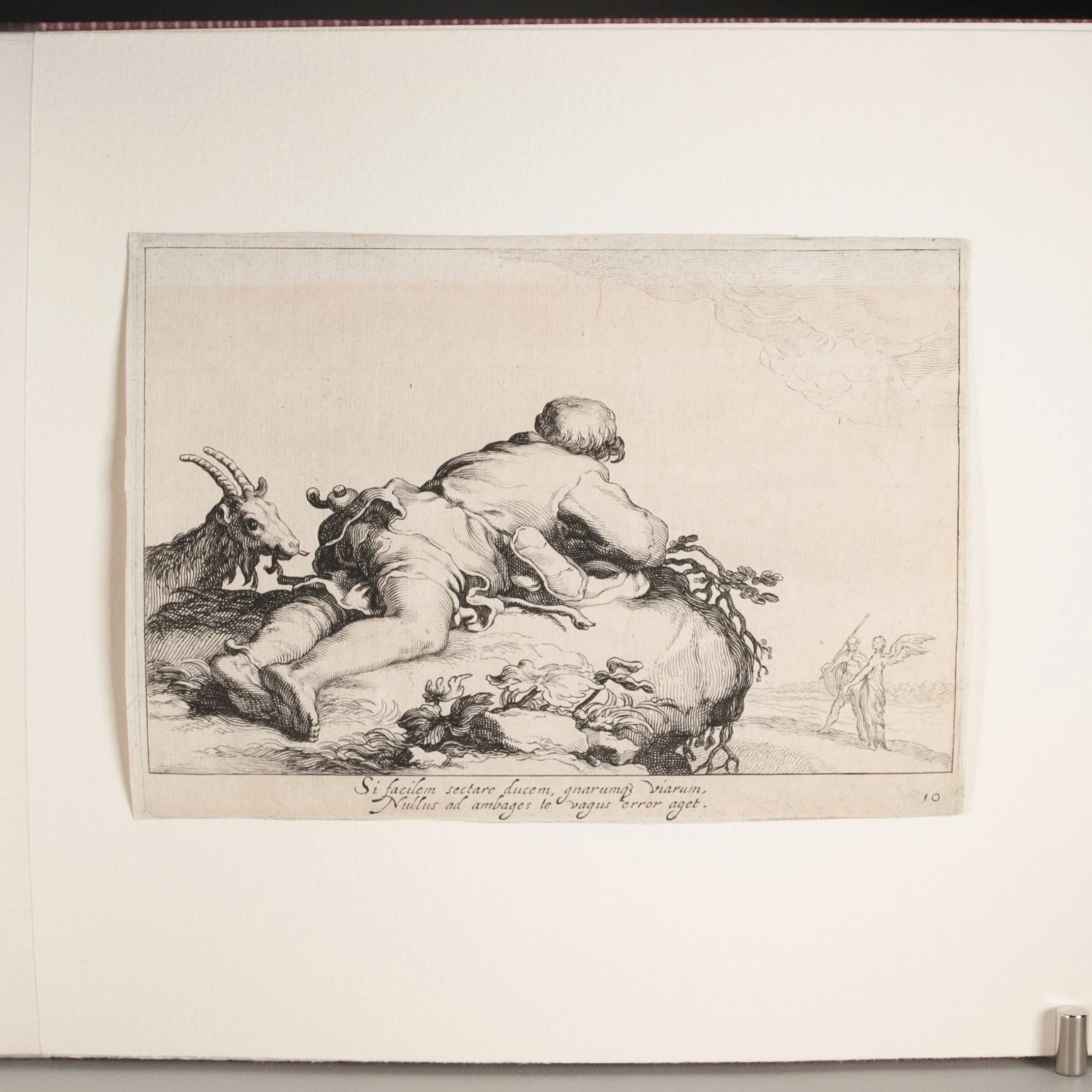 Image 12 of 22
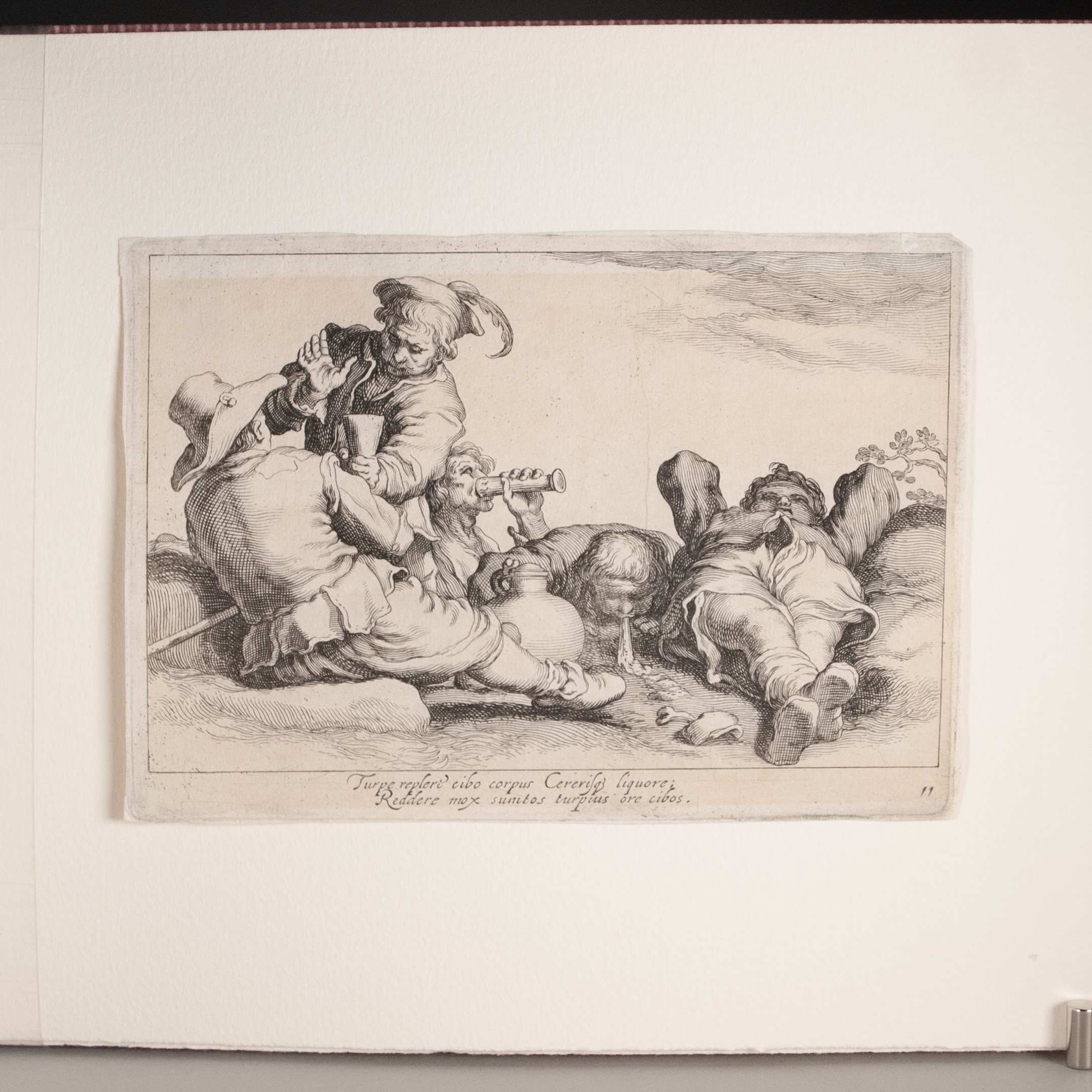 Image 13 of 22
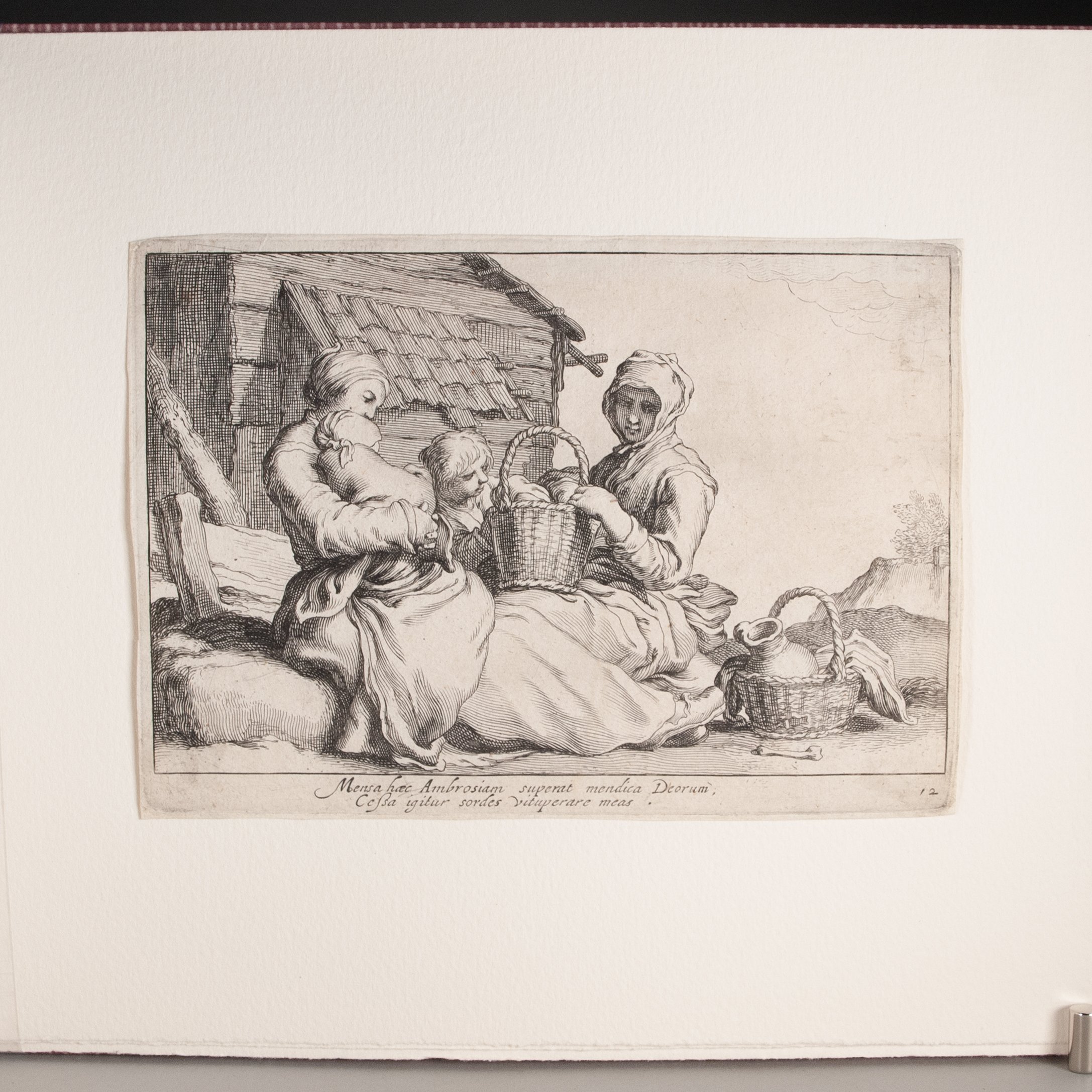 Image 14 of 22
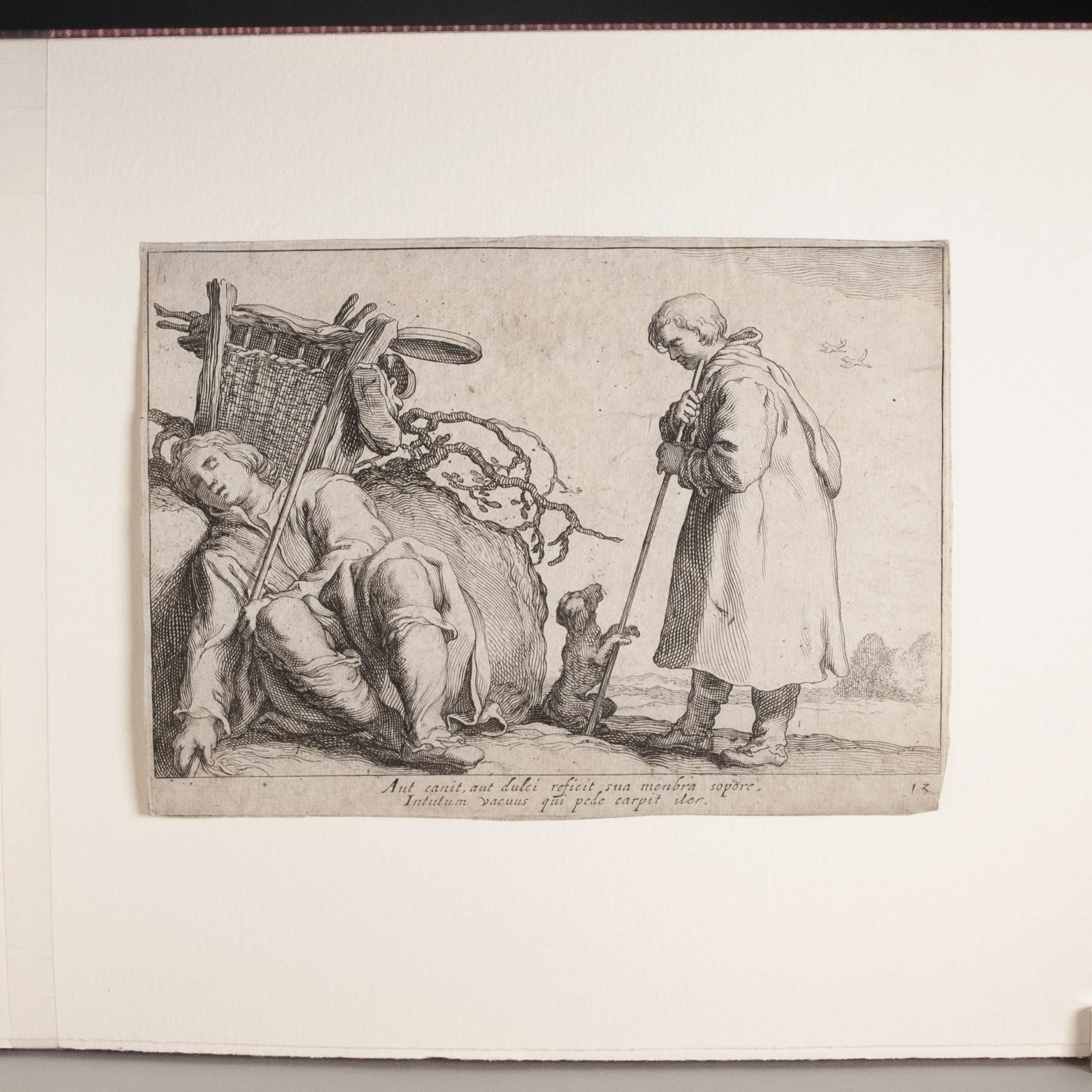 Image 15 of 22
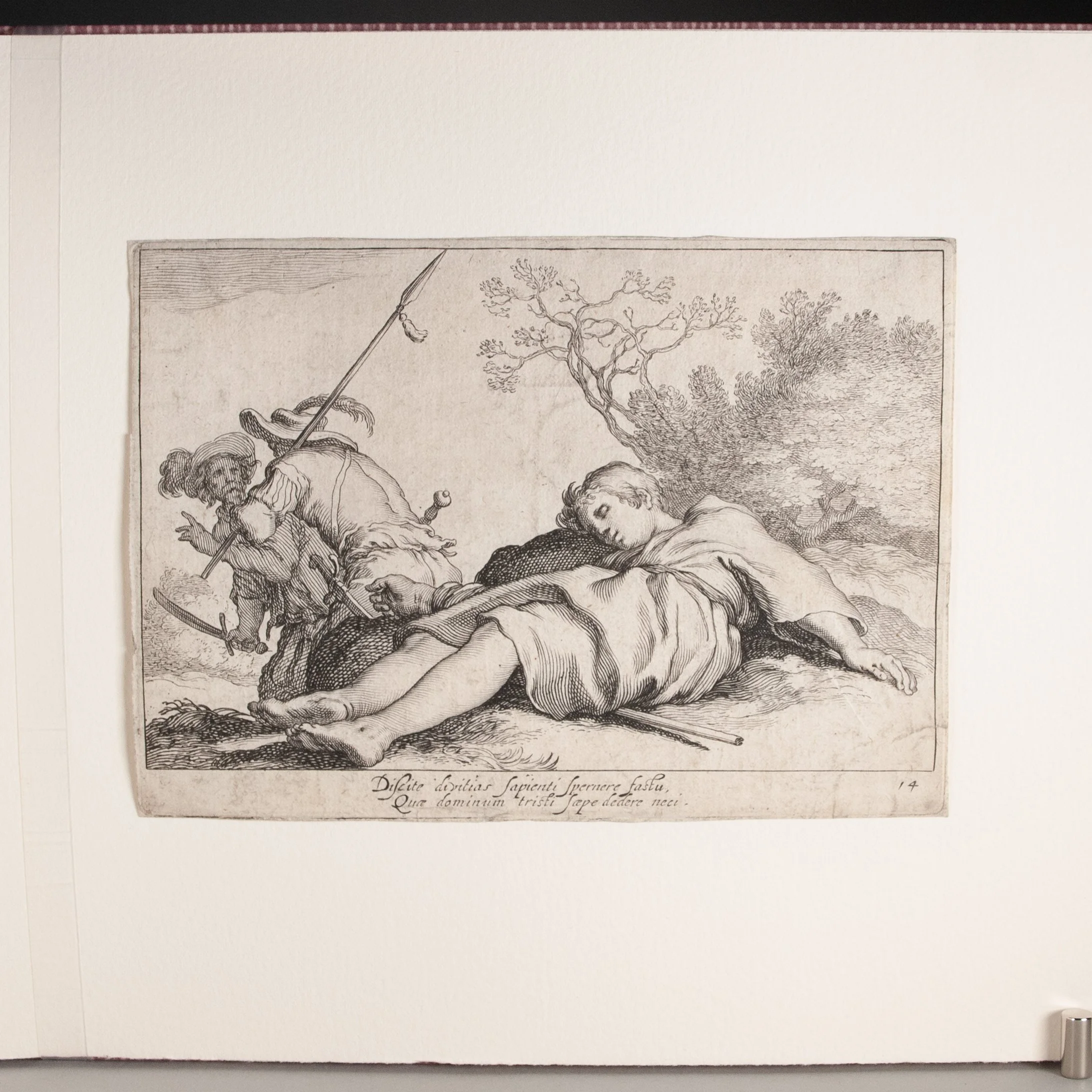 Image 16 of 22
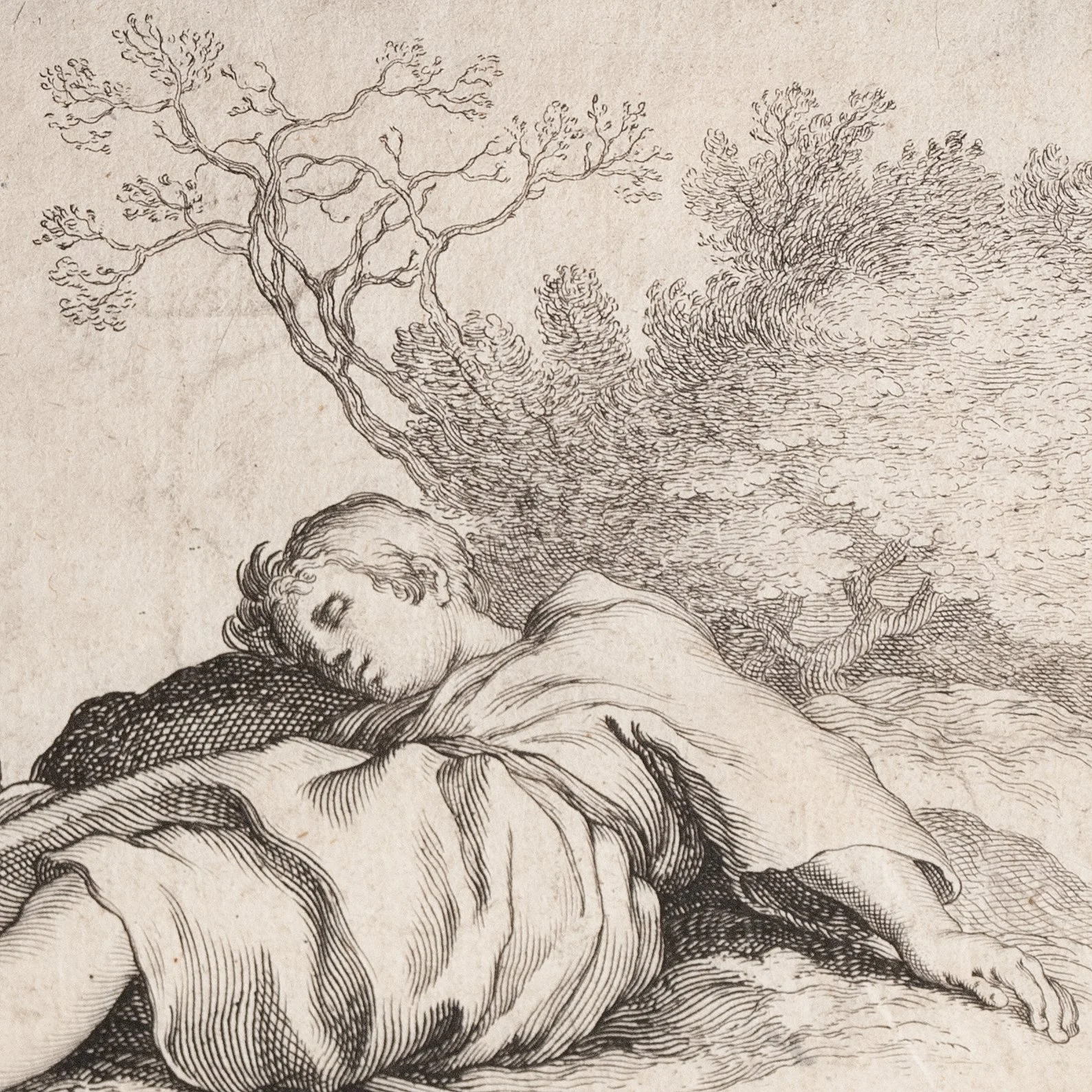 Image 17 of 22
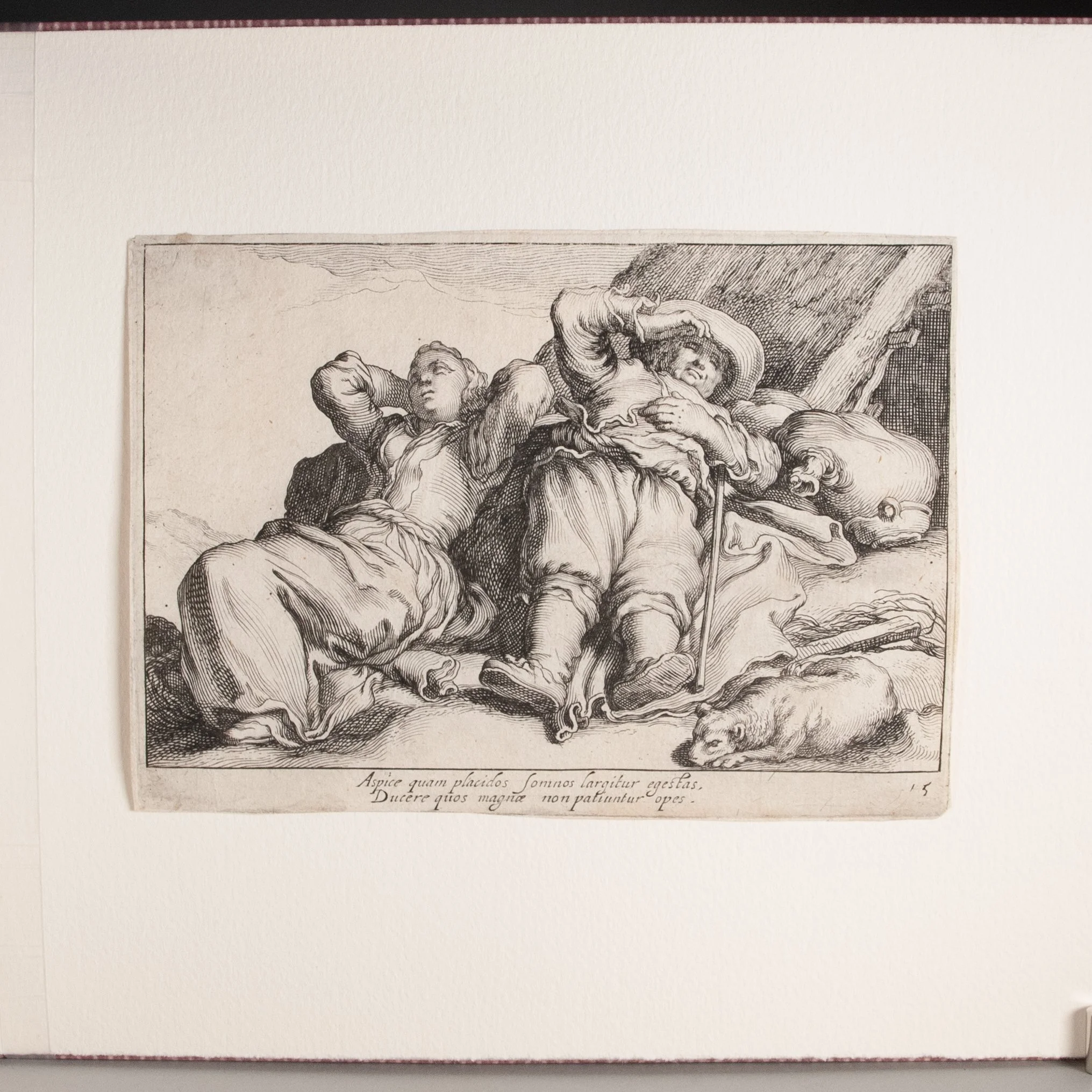 Image 18 of 22
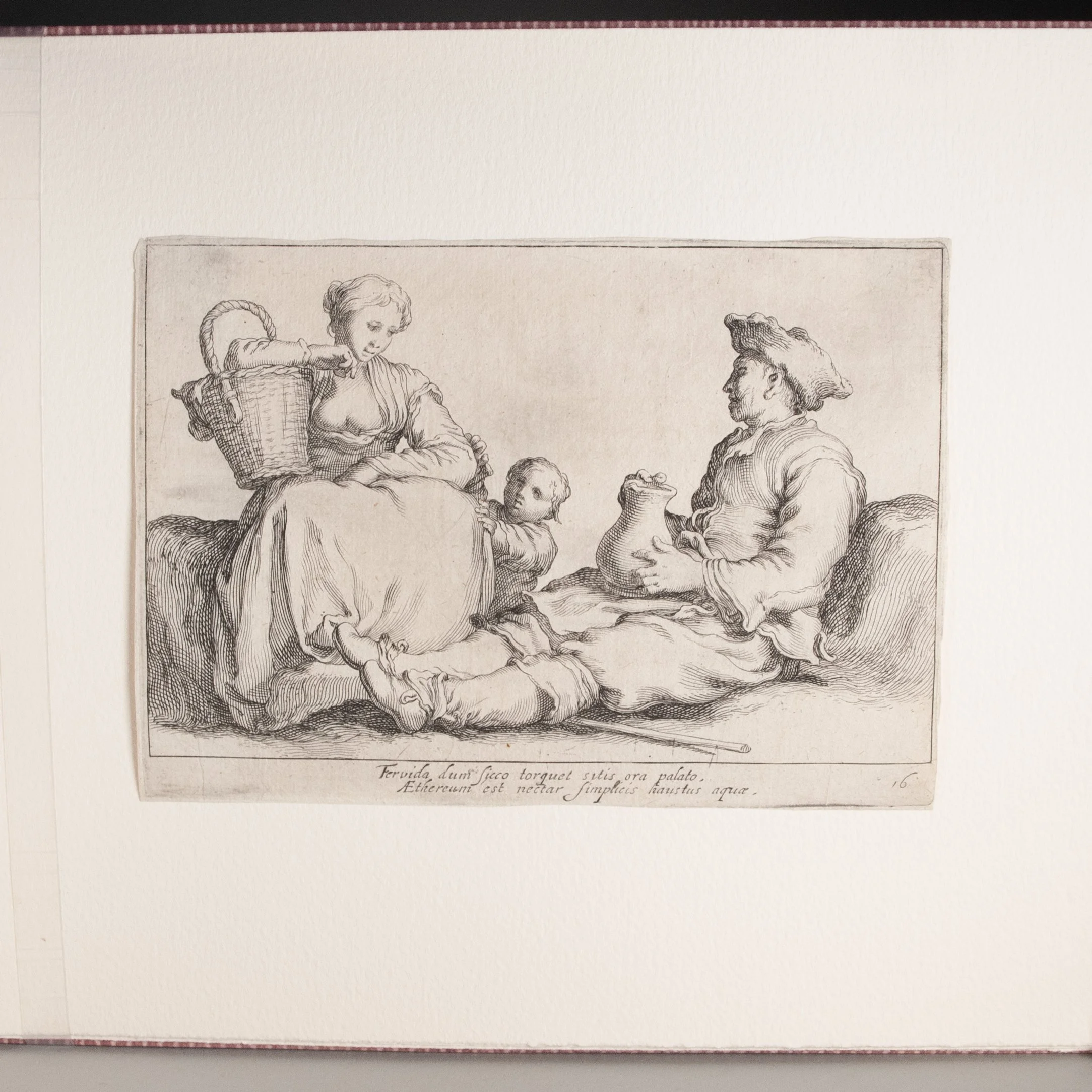 Image 19 of 22
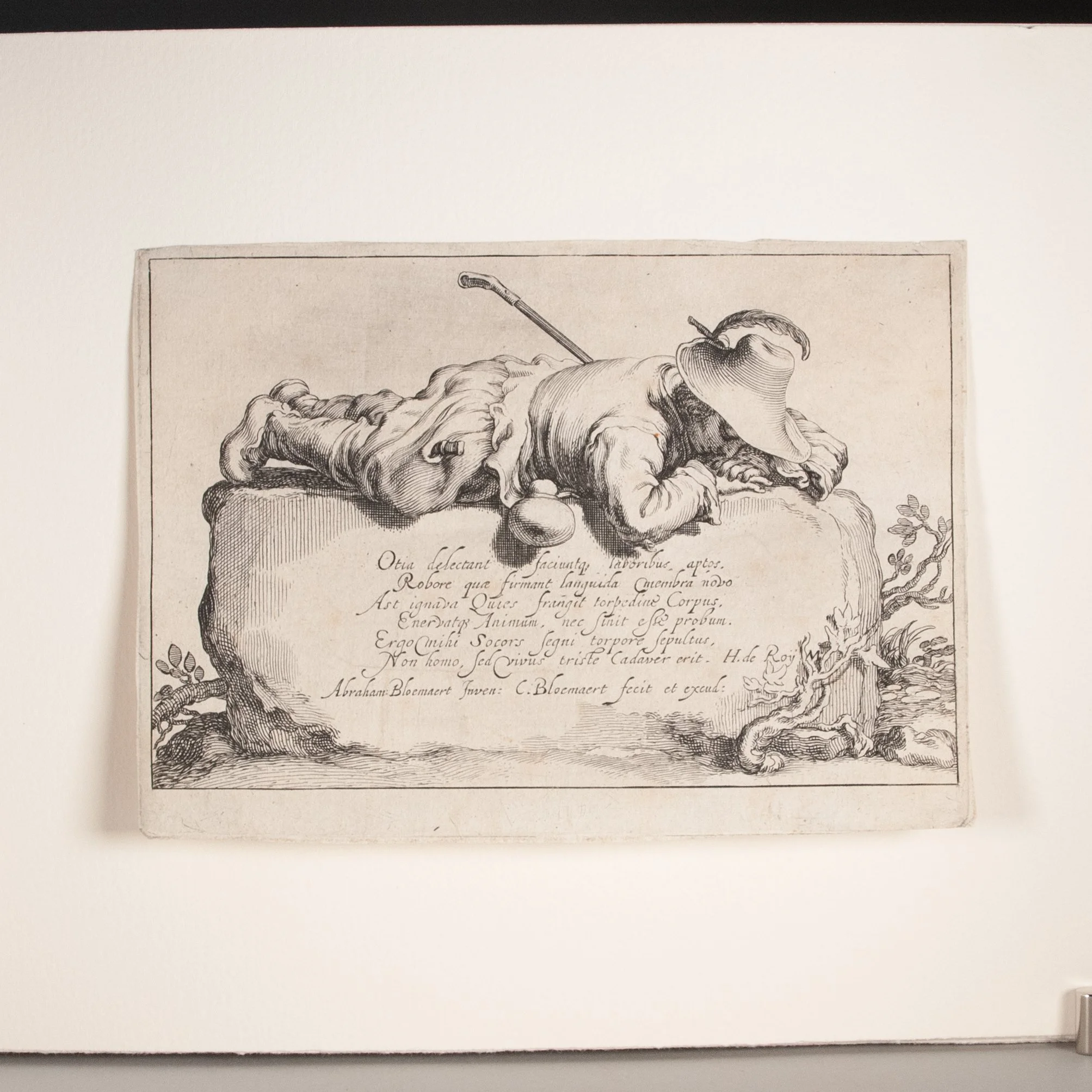 Image 20 of 22
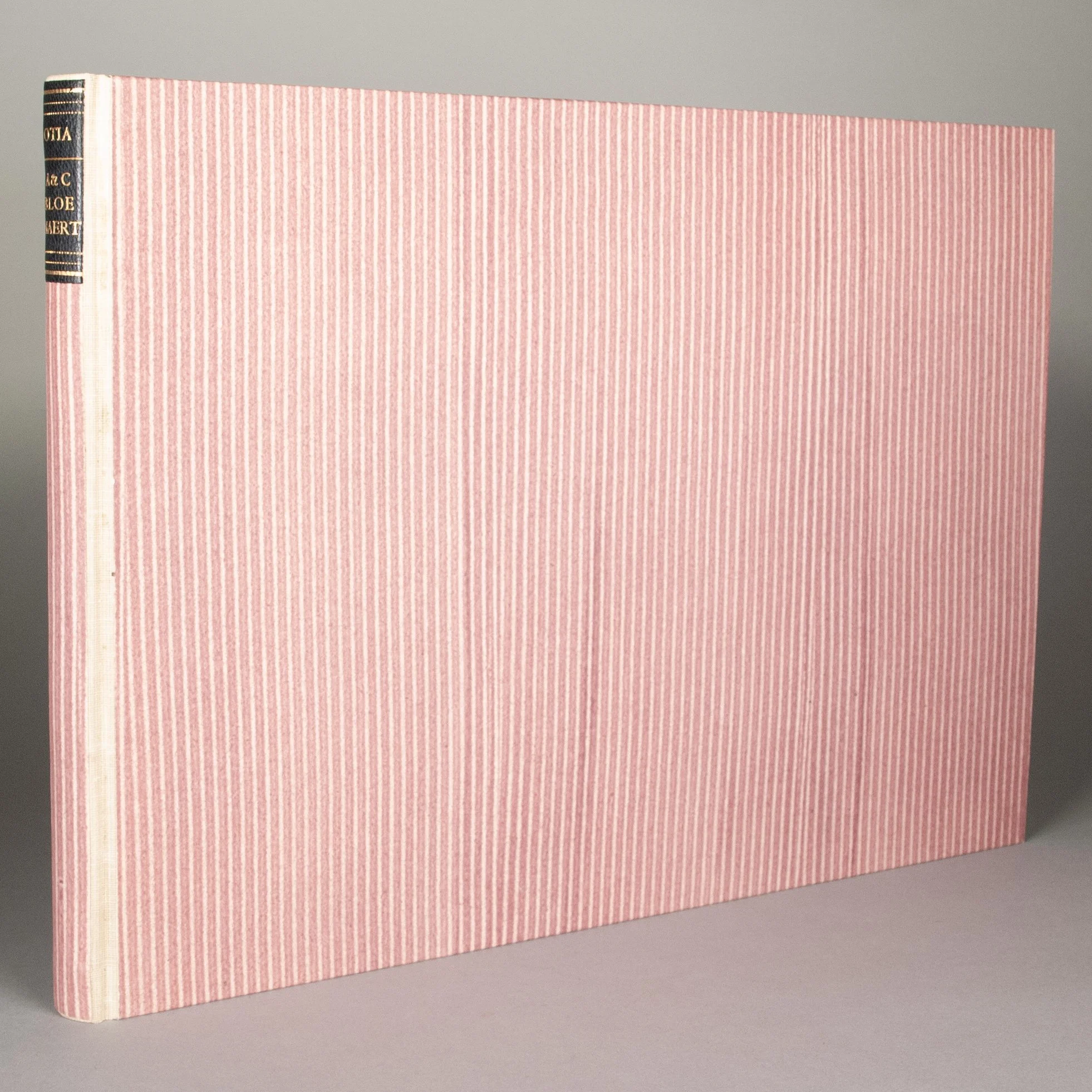 Image 21 of 22
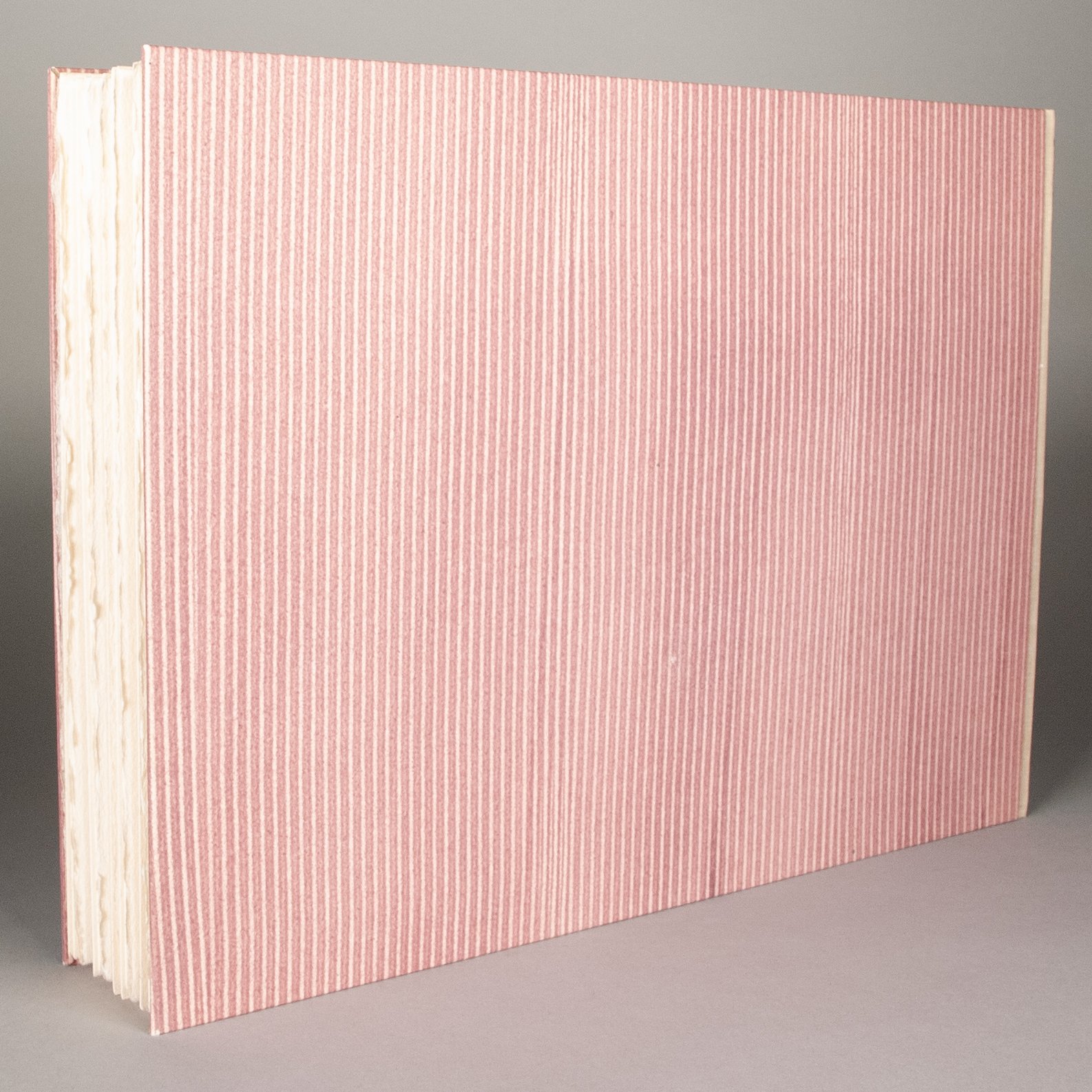 Image 22 of 22