Rechenbuchlein
by Abraham Conradt (Conrad)
[Poland?] 1784
[186] leaves | 4to | 202 x 10 mm
A tidy mathematical manuscript, meticulously ruled and written in a neat German Kurrentschrift. The book covers basic arithmetic comprehensively, typical of the Rechenbuch genre, with sections on addition and subtraction, fractions and decimals, currency, interest, profit and loss, area, time, and more. In at least two places, Abraham refers to authors consulted: Caspar Behman und andern Authoren on fol. 2r, and Tobias Beutels und andern Authoren on fol. 182r. ¶ We would typically expect any Rechenbuch to be rather visually unremarkable, but our young author has added beguiling decorative flourishes. The title is obviously striking, with the author's name boldly occupying most of the page, written in large flower-filled letters, the remaining white space filled with floral garlands. There are nineteen further decorative headings, most of these with floral accents; another fifteen large section headings in colored ink; fifteen whimsical illustrations, three of these being vibrantly colored castles occupying more than half a page each; and a handful of other decoratively lettered subheadings. ¶ The Rechenbuch had long been a staple of a more practical kind of German education. The first printed versions appeared around 1482—one from type, another a blockbook—and they only proliferated as the decades progressed. The genre's manuscript tradition dates to at least ca. 1460. These practical arithmetic manuals traditionally fell outside the pedagogical purview of monasteries and universities, and found an early focus in preparing aspiring merchants and administrators. Some German cities soon established dedicated schools for practical arithmetic (Rechenschulen), whose teachers often wrote their own Rechenbücher. "They were mostly written in vernacular, had a standardized structure, were practice-oriented, and mainly consisted of lists of worked examples. As the development of the German Rechenbuch overlapped with the first diffusion of the printing press, these texts appeared almost immediately in the printed medium, and scholars have focused comparatively less on manuscript Rechenbücher" (Danna). Our manuscript was copied during a rather transitional period, during an accelerated spread of required mathematical education at state-supported schools. ¶ The collection of mathematical manuscripts at the Staatsbibliothek Bamberg suggests there have long been concurrent traditions of printed and handwritten Rechenbücher, even if the former vastly outnumber the latter. Certainly by 1784 printed Rechenbücher for run-of-the-mill instruction were abundant, and our manuscript seems far too neat to represent anything like quotidian lecture notes. Rather, given its 13-year-old author, we suspect it served as a kind of culmination of his mathematical instruction, a material demonstration of the subject mastered. The Schulmuseum in Lohr holds a similar manuscript from 1747, if not quite as decorative, written by a 14-year-old. Thirteen and fourteen being roughly the age of Confirmation, and with boys thereafter typically beginning their search for an apprenticeship, Abraham may have soon found himself entering a trade that demanded mathematical skill. Rechenbücher, for example, or at least their Dutch equivalents, "were essential primers for those entering the world of business" (Pettegree and Weduwen). In such an environment—or any environment requiring similar skills—a manuscript like this should have been just the thing to demonstrate subject proficiency, showcase orderliness, and endure as a personalized practical manual.
PROVENANCE: The text opens with a problem intended to reveal our author's age. The math is lost on us, but at bottom we read 1R ist gleich 13 Jahr, or "1R equals 13 years," and written beside it Facit, or roughly "the answer." ¶ Inscribed on the rear paste-down: Abram Conrad zu Tiegenhoff 1792. We presume this Tiegenhoff is present-day Nowy Dwór Gdański, near the Baltic coast just southeast of Gdańsk.
CONDITION: Contemporary brown leather, simply ruled in blind. ¶ The paint crazed where it's been more heavily applied; fore-edge stain on the back half of the text block, occasionally penetrating the text area; trimmed close, just barely touching some content; 6 mm closed tear in fore-edge of fol. 126, touching the decorative border around a castle illustration. Spine a trifle cocked; extremities bumped and worn, with a bit of chipping to the spine head; some pitting to leather on rear cover; ties lost, only stubs remaining.
REFERENCES: Raffaele Danna, The Craft of Indo-Arabic Numerals (2026), p. 201-202 (cited above; a 1460s manuscript "reflects the growing interest in training in practical arithmetic among mercantile and administrative elites of southern German cities in a period of growing economic activity"); Andrew Pettegree and Arthur Weduwen, The Bookshop of the World (2019), p. 151 (cited above); Merja Uotila, "Rural Artisans' Apprenticeship Practices in Early Modern Finland (1700-1850),” Apprenticeship in Early Modern Europe (2020), p. 181 (noting apprenticeships began after Confirmation; suggesting, in mid 18c Finland, that some apprentinces "were probably younger than 14"); "Maarten Bullynck, "The transmission of numeracy: integrating reckoning in Protestant North-German elementary education (1770-1810)," Paedagogica Historica 44.5 (Oct 2008), p. 563 ("With the introduction of arithmetic as a compulsory part of the elementary school curriculum in late eighteenth- and early nineteenth-century Germany, textbooks and pedagogical methods were wanted"), 566 (the Rechenbuch "(mostly) contained succinct computational recipes for the autodidactic reader to develop, or for the Rechenmeister and/or elementary school teacher to comment upon in the class room"), 567 (good background on the genre and gradual spread of formal math education in Germany)
Item #910
Rechenbuchlein
by Abraham Conradt (Conrad)
[Poland?] 1784
[186] leaves | 4to | 202 x 10 mm
A tidy mathematical manuscript, meticulously ruled and written in a neat German Kurrentschrift. The book covers basic arithmetic comprehensively, typical of the Rechenbuch genre, with sections on addition and subtraction, fractions and decimals, currency, interest, profit and loss, area, time, and more. In at least two places, Abraham refers to authors consulted: Caspar Behman und andern Authoren on fol. 2r, and Tobias Beutels und andern Authoren on fol. 182r. ¶ We would typically expect any Rechenbuch to be rather visually unremarkable, but our young author has added beguiling decorative flourishes. The title is obviously striking, with the author's name boldly occupying most of the page, written in large flower-filled letters, the remaining white space filled with floral garlands. There are nineteen further decorative headings, most of these with floral accents; another fifteen large section headings in colored ink; fifteen whimsical illustrations, three of these being vibrantly colored castles occupying more than half a page each; and a handful of other decoratively lettered subheadings. ¶ The Rechenbuch had long been a staple of a more practical kind of German education. The first printed versions appeared around 1482—one from type, another a blockbook—and they only proliferated as the decades progressed. The genre's manuscript tradition dates to at least ca. 1460. These practical arithmetic manuals traditionally fell outside the pedagogical purview of monasteries and universities, and found an early focus in preparing aspiring merchants and administrators. Some German cities soon established dedicated schools for practical arithmetic (Rechenschulen), whose teachers often wrote their own Rechenbücher. "They were mostly written in vernacular, had a standardized structure, were practice-oriented, and mainly consisted of lists of worked examples. As the development of the German Rechenbuch overlapped with the first diffusion of the printing press, these texts appeared almost immediately in the printed medium, and scholars have focused comparatively less on manuscript Rechenbücher" (Danna). Our manuscript was copied during a rather transitional period, during an accelerated spread of required mathematical education at state-supported schools. ¶ The collection of mathematical manuscripts at the Staatsbibliothek Bamberg suggests there have long been concurrent traditions of printed and handwritten Rechenbücher, even if the former vastly outnumber the latter. Certainly by 1784 printed Rechenbücher for run-of-the-mill instruction were abundant, and our manuscript seems far too neat to represent anything like quotidian lecture notes. Rather, given its 13-year-old author, we suspect it served as a kind of culmination of his mathematical instruction, a material demonstration of the subject mastered. The Schulmuseum in Lohr holds a similar manuscript from 1747, if not quite as decorative, written by a 14-year-old. Thirteen and fourteen being roughly the age of Confirmation, and with boys thereafter typically beginning their search for an apprenticeship, Abraham may have soon found himself entering a trade that demanded mathematical skill. Rechenbücher, for example, or at least their Dutch equivalents, "were essential primers for those entering the world of business" (Pettegree and Weduwen). In such an environment—or any environment requiring similar skills—a manuscript like this should have been just the thing to demonstrate subject proficiency, showcase orderliness, and endure as a personalized practical manual.
PROVENANCE: The text opens with a problem intended to reveal our author's age. The math is lost on us, but at bottom we read 1R ist gleich 13 Jahr, or "1R equals 13 years," and written beside it Facit, or roughly "the answer." ¶ Inscribed on the rear paste-down: Abram Conrad zu Tiegenhoff 1792. We presume this Tiegenhoff is present-day Nowy Dwór Gdański, near the Baltic coast just southeast of Gdańsk.
CONDITION: Contemporary brown leather, simply ruled in blind. ¶ The paint crazed where it's been more heavily applied; fore-edge stain on the back half of the text block, occasionally penetrating the text area; trimmed close, just barely touching some content; 6 mm closed tear in fore-edge of fol. 126, touching the decorative border around a castle illustration. Spine a trifle cocked; extremities bumped and worn, with a bit of chipping to the spine head; some pitting to leather on rear cover; ties lost, only stubs remaining.
REFERENCES: Raffaele Danna, The Craft of Indo-Arabic Numerals (2026), p. 201-202 (cited above; a 1460s manuscript "reflects the growing interest in training in practical arithmetic among mercantile and administrative elites of southern German cities in a period of growing economic activity"); Andrew Pettegree and Arthur Weduwen, The Bookshop of the World (2019), p. 151 (cited above); Merja Uotila, "Rural Artisans' Apprenticeship Practices in Early Modern Finland (1700-1850),” Apprenticeship in Early Modern Europe (2020), p. 181 (noting apprenticeships began after Confirmation; suggesting, in mid 18c Finland, that some apprentinces "were probably younger than 14"); "Maarten Bullynck, "The transmission of numeracy: integrating reckoning in Protestant North-German elementary education (1770-1810)," Paedagogica Historica 44.5 (Oct 2008), p. 563 ("With the introduction of arithmetic as a compulsory part of the elementary school curriculum in late eighteenth- and early nineteenth-century Germany, textbooks and pedagogical methods were wanted"), 566 (the Rechenbuch "(mostly) contained succinct computational recipes for the autodidactic reader to develop, or for the Rechenmeister and/or elementary school teacher to comment upon in the class room"), 567 (good background on the genre and gradual spread of formal math education in Germany)
Item #910

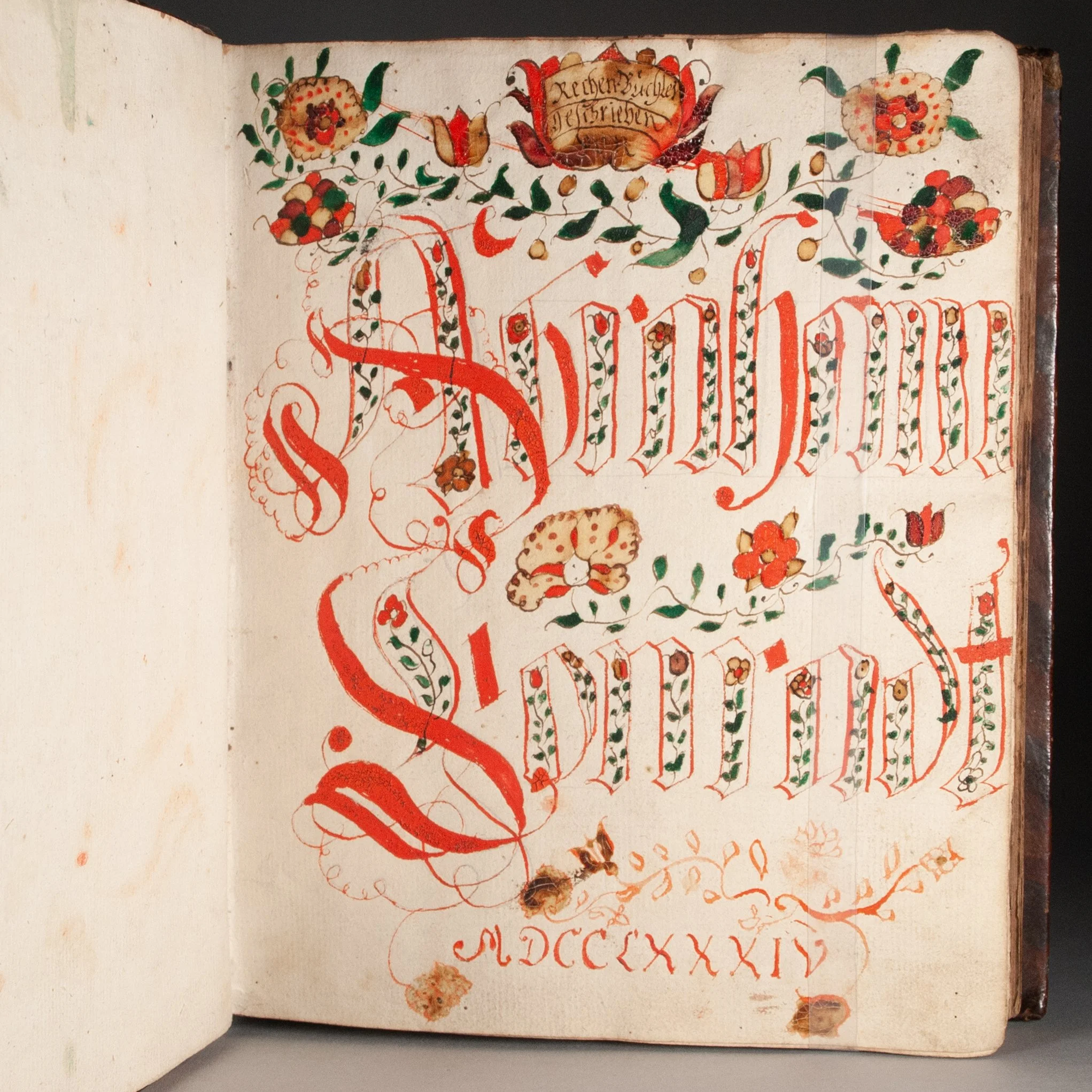 Image 1 of 26
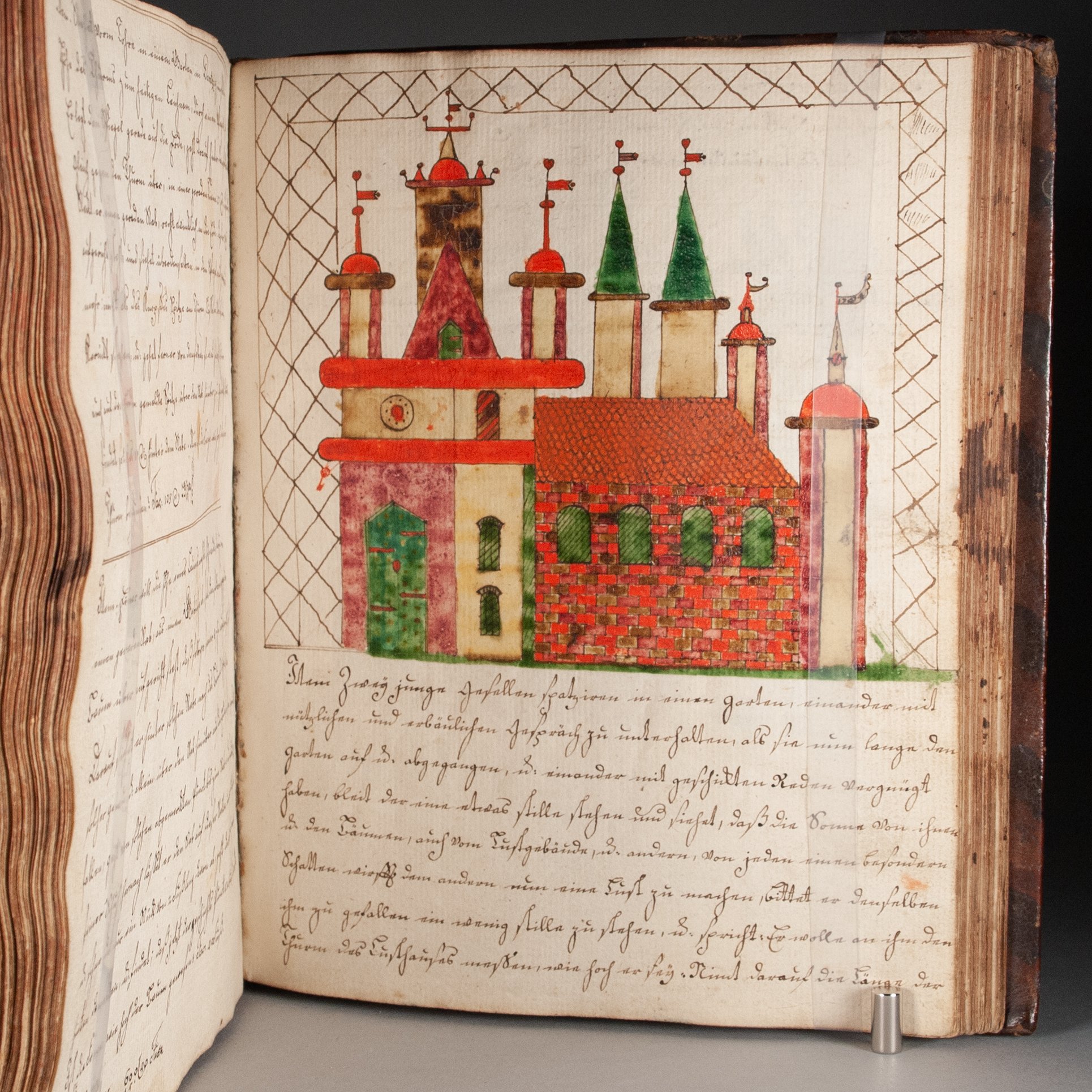 Image 2 of 26
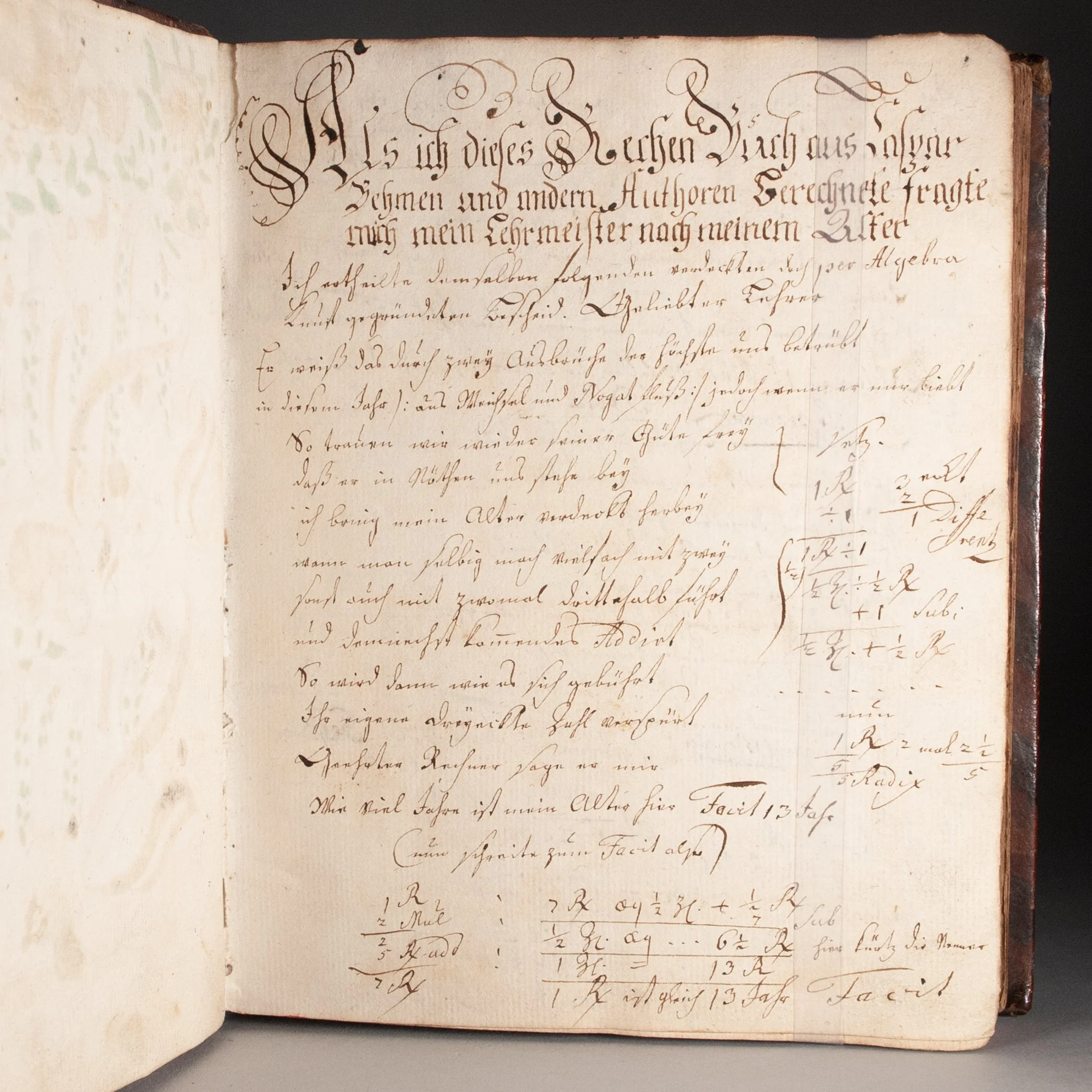 Image 3 of 26
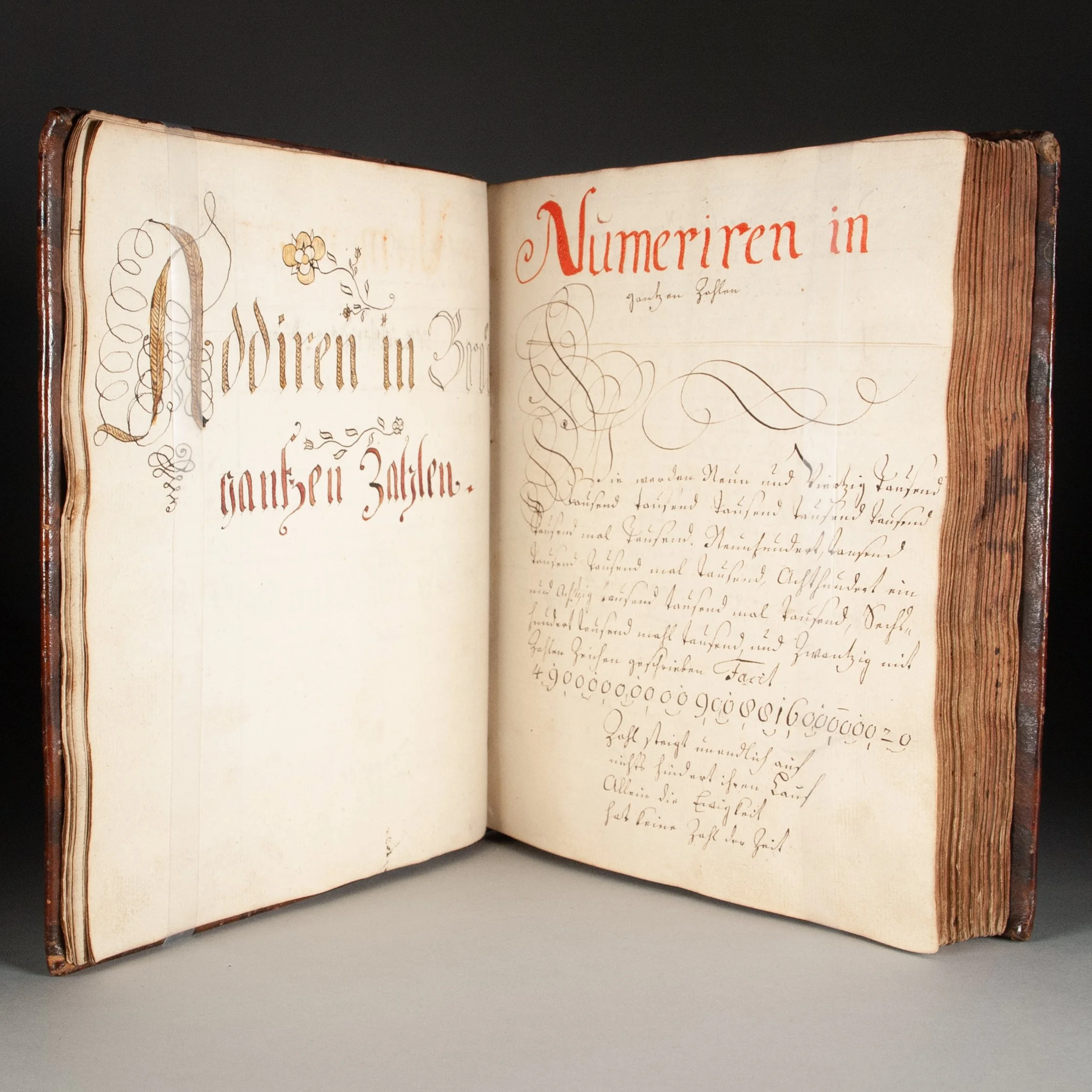 Image 4 of 26
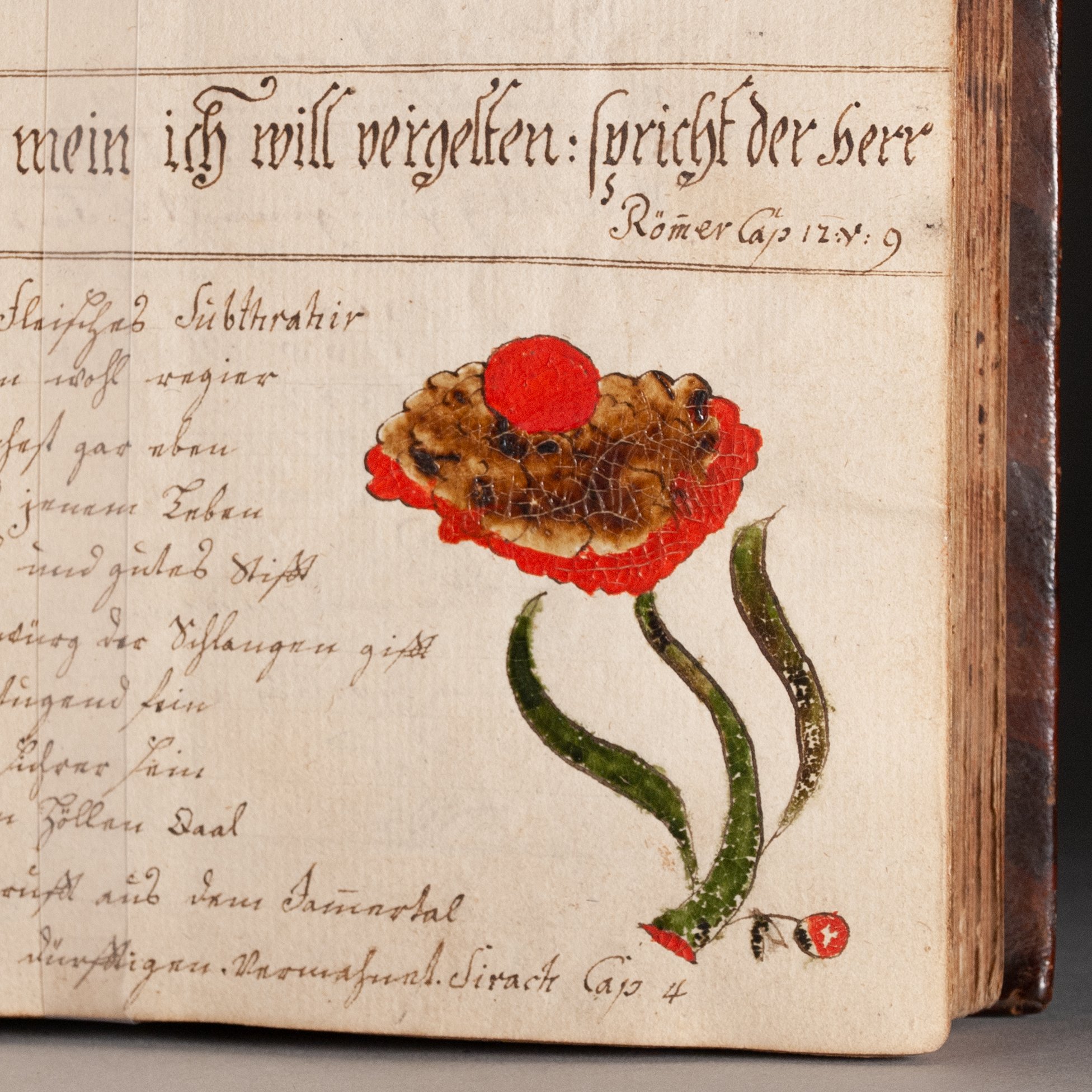 Image 5 of 26
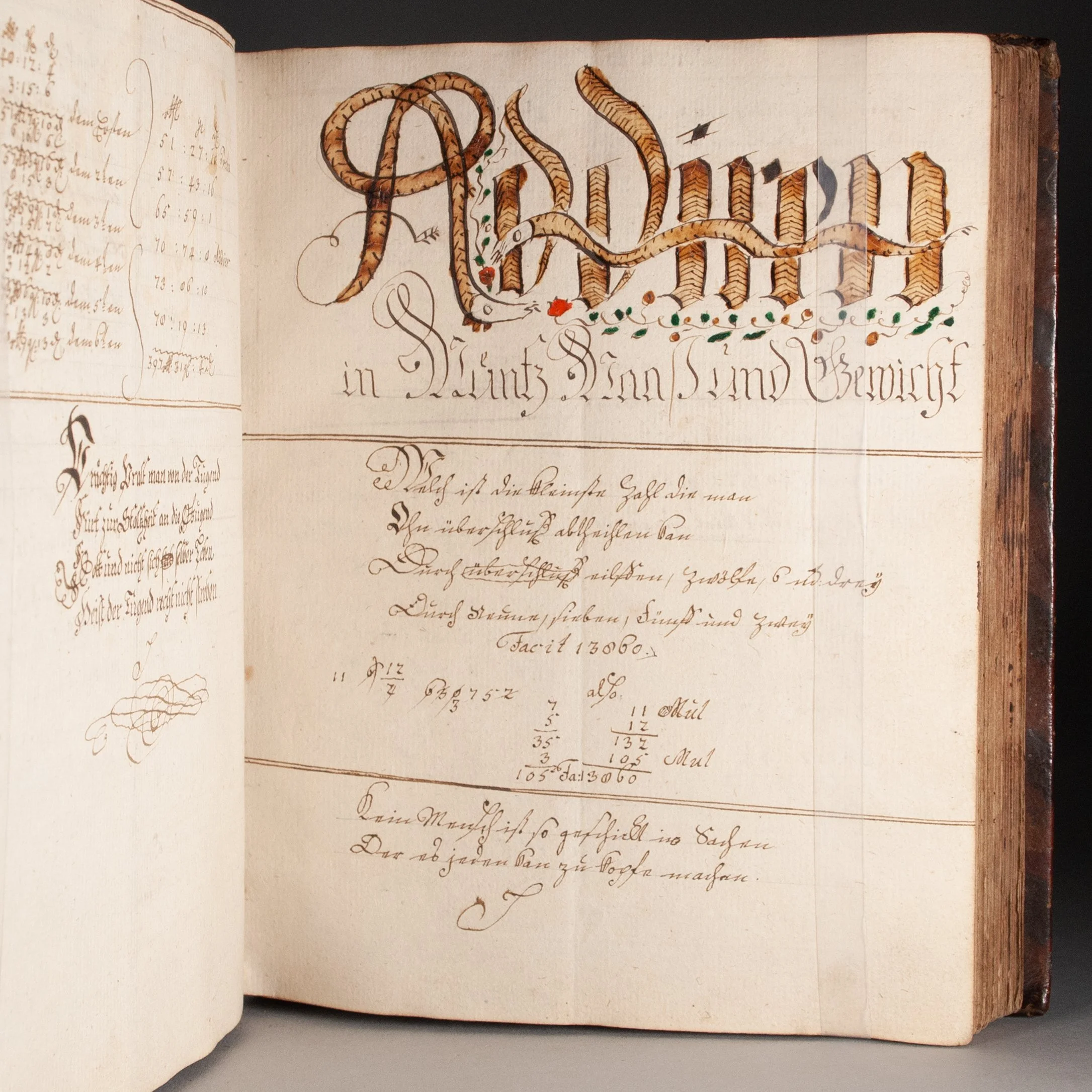 Image 6 of 26
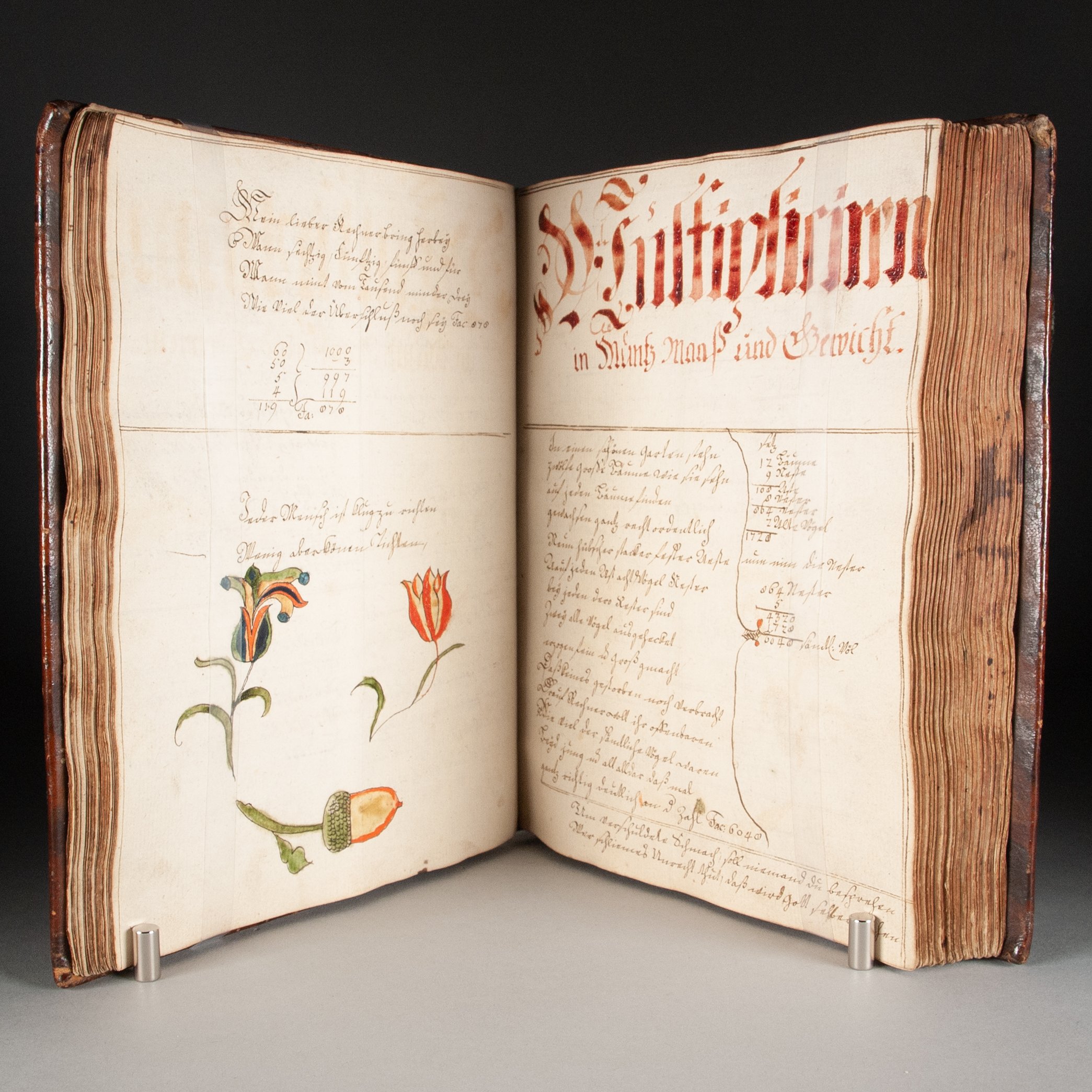 Image 7 of 26
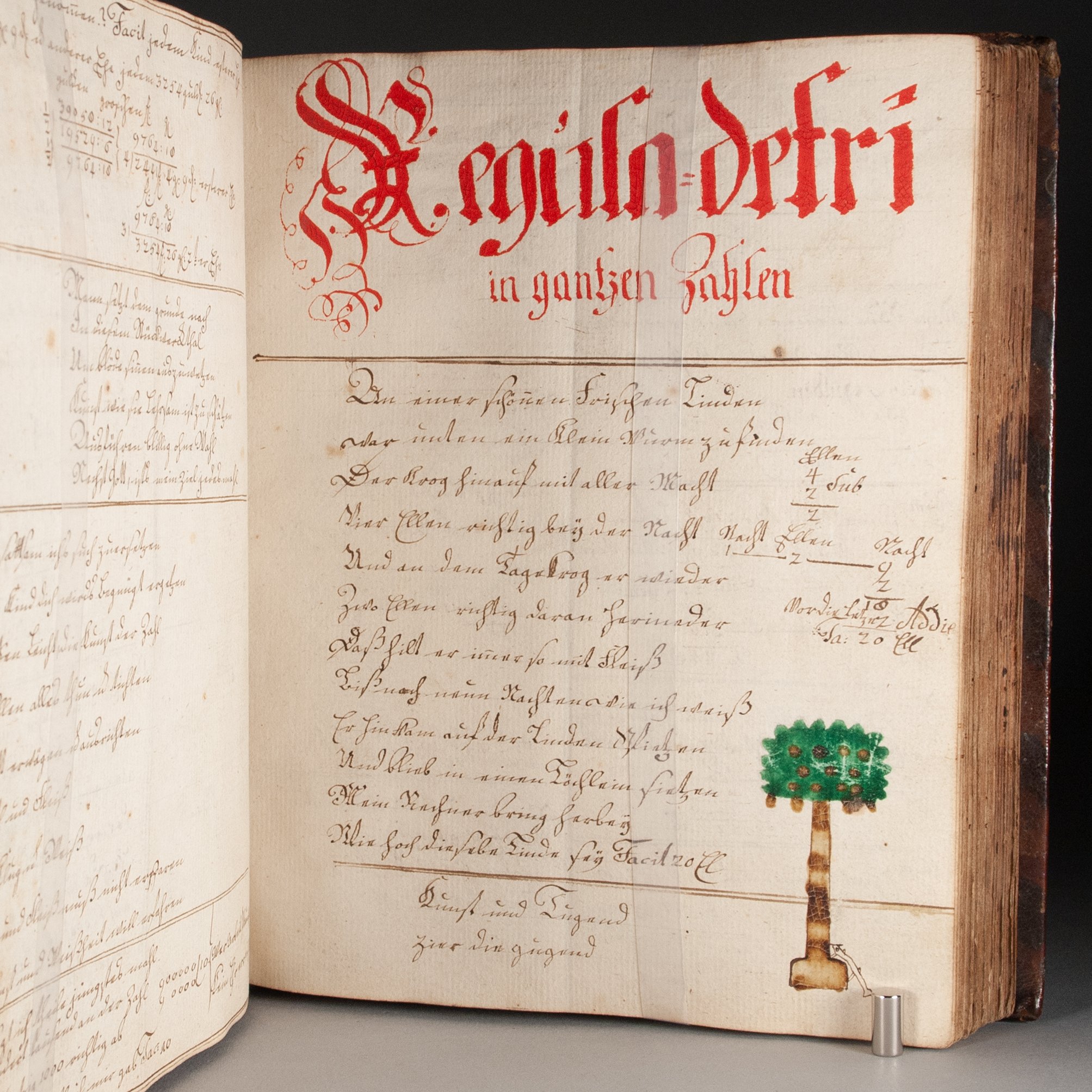 Image 8 of 26
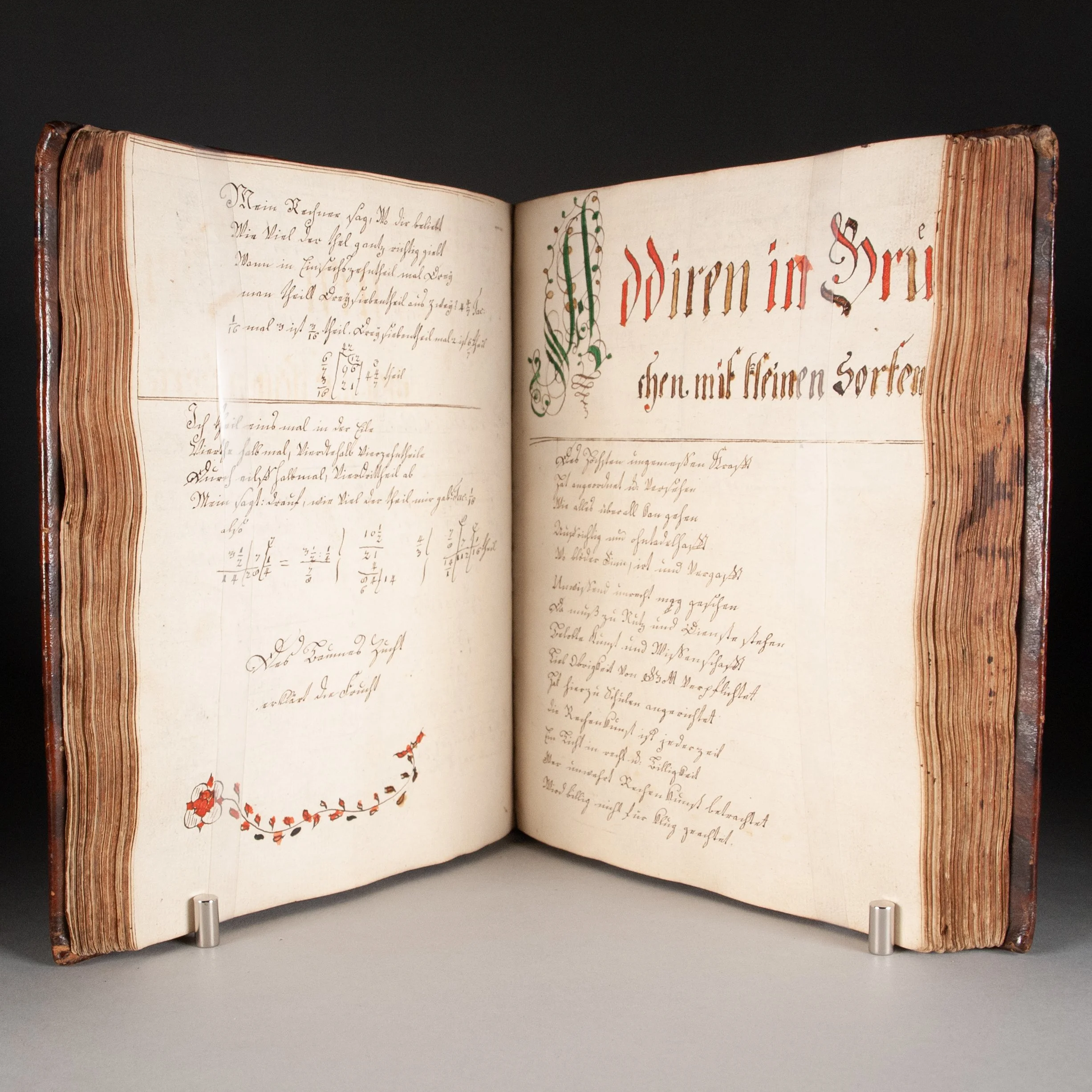 Image 9 of 26
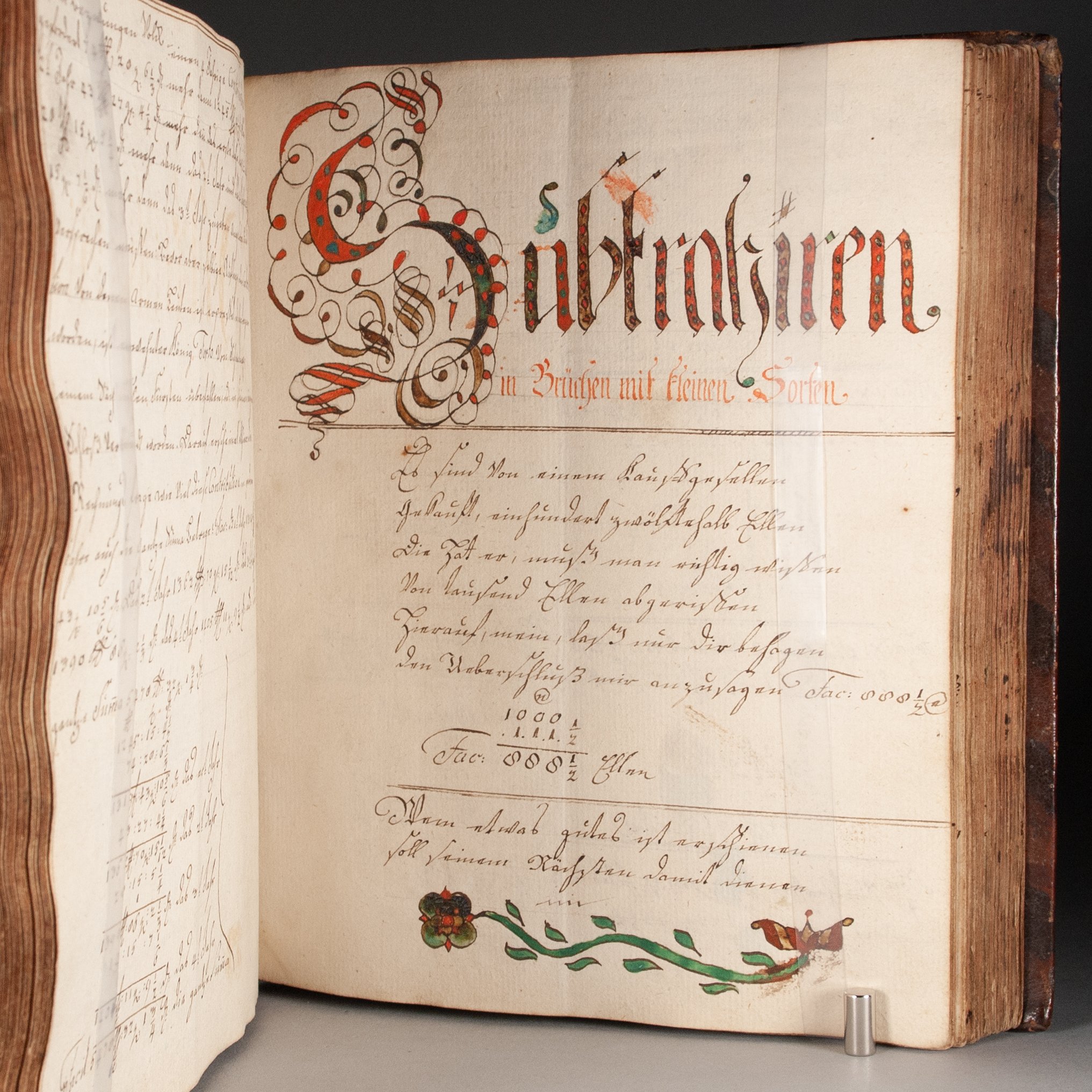 Image 10 of 26
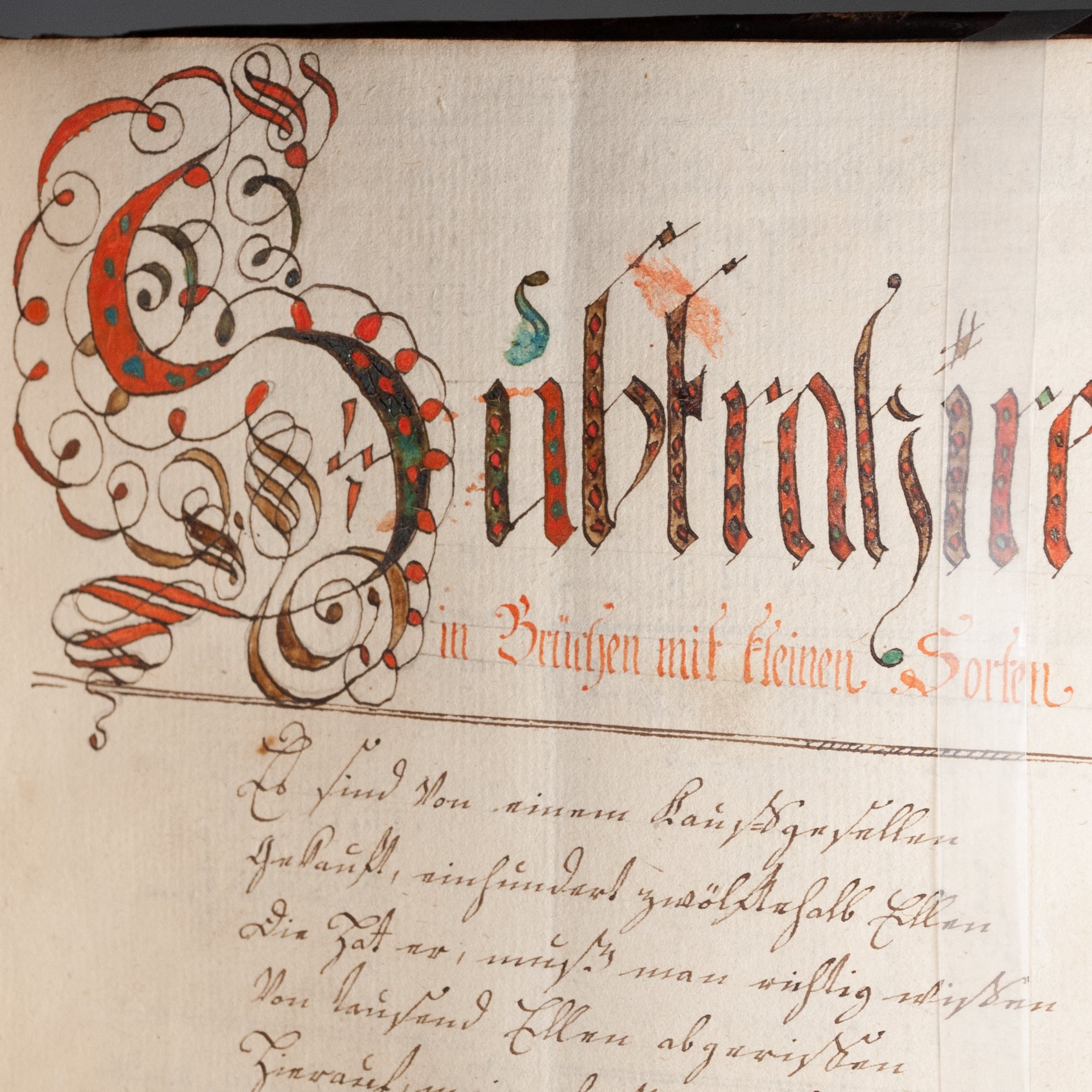 Image 11 of 26
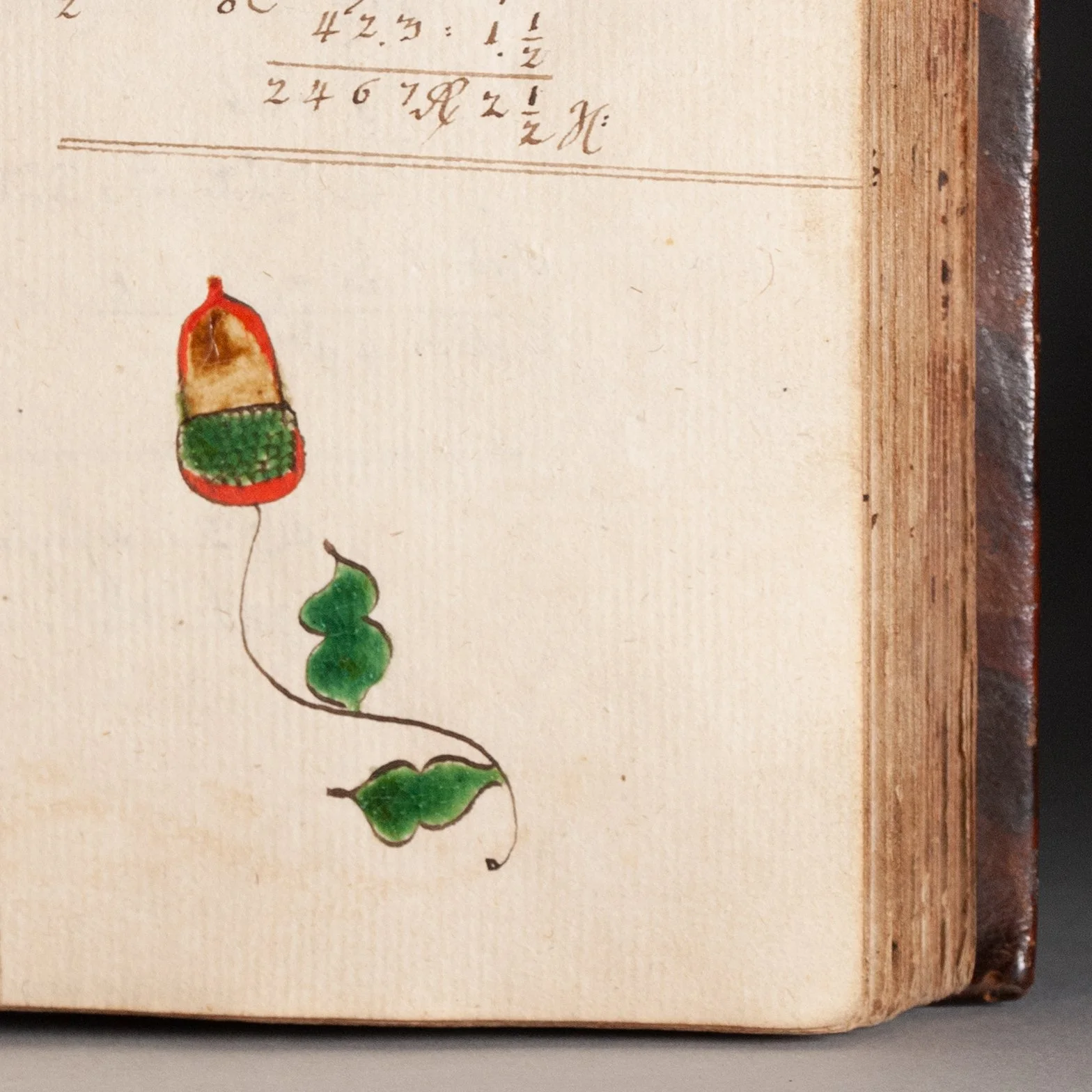 Image 12 of 26
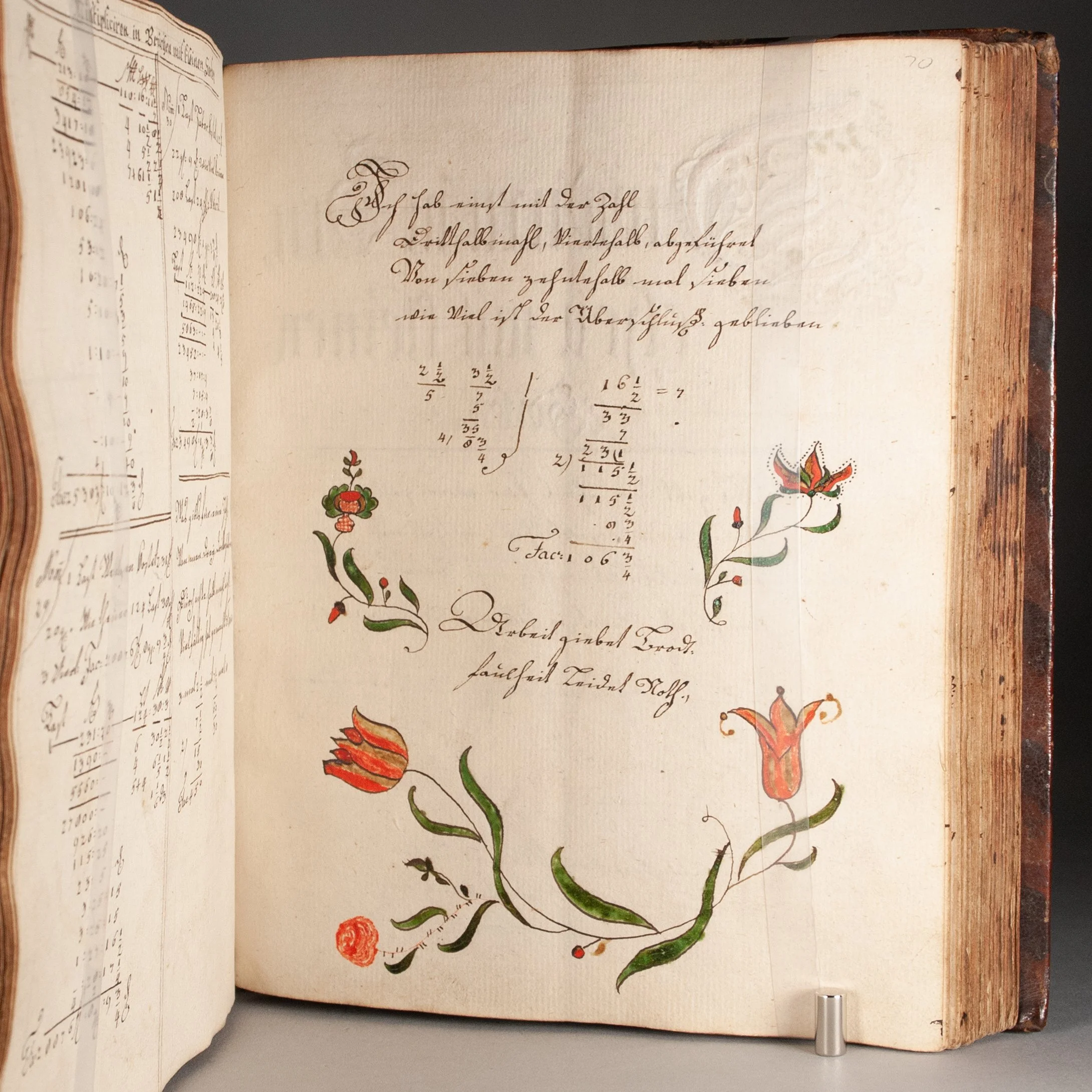 Image 13 of 26
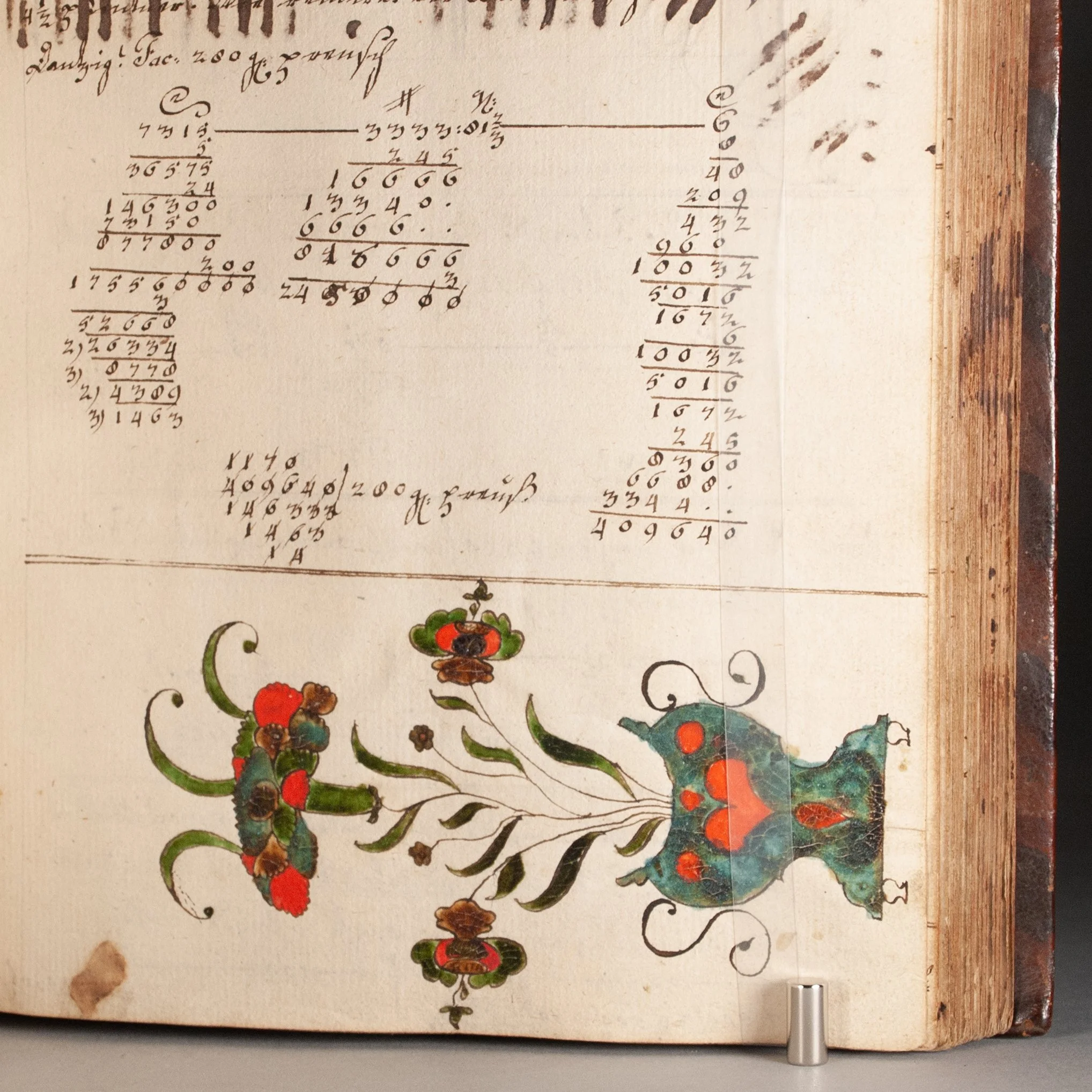 Image 14 of 26
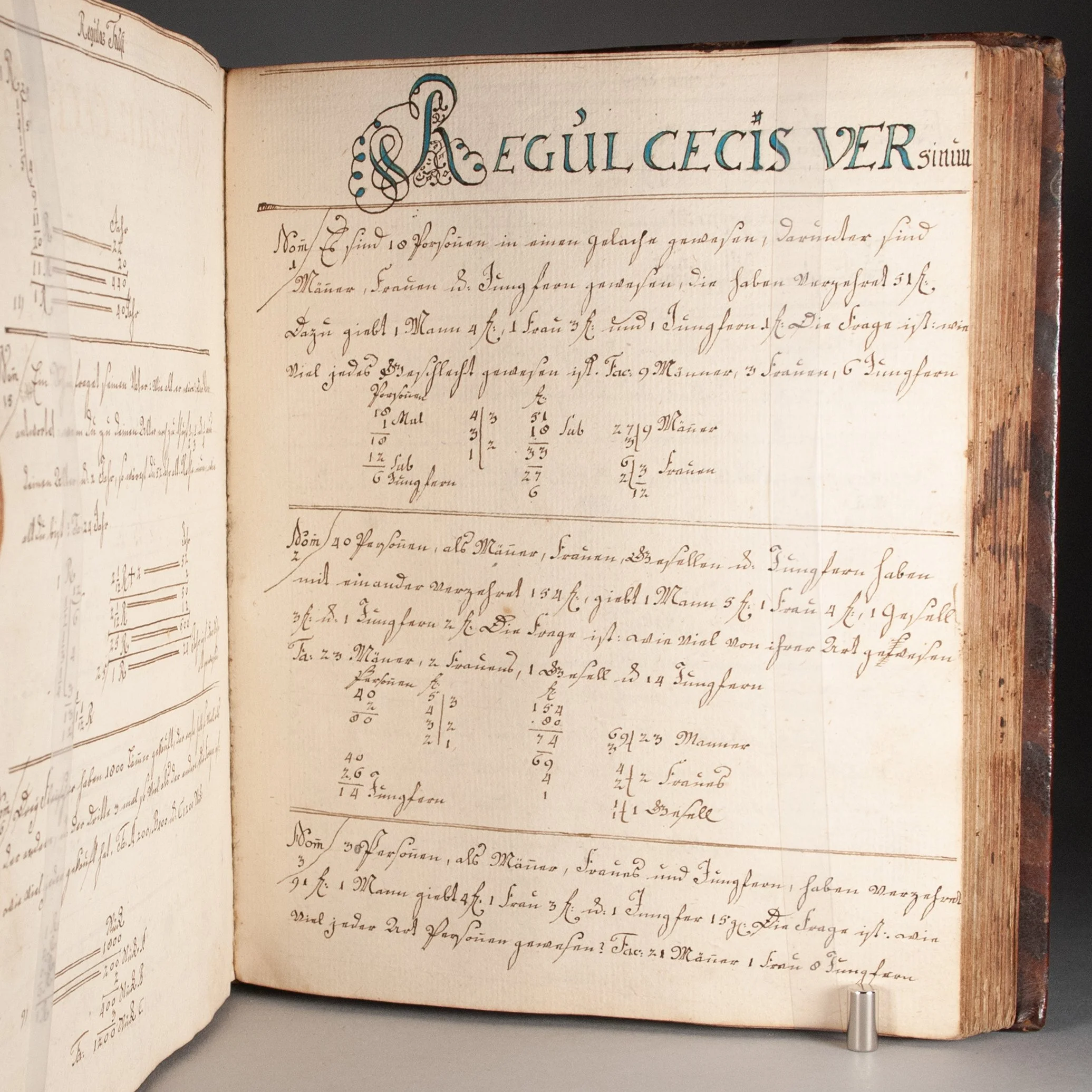 Image 15 of 26
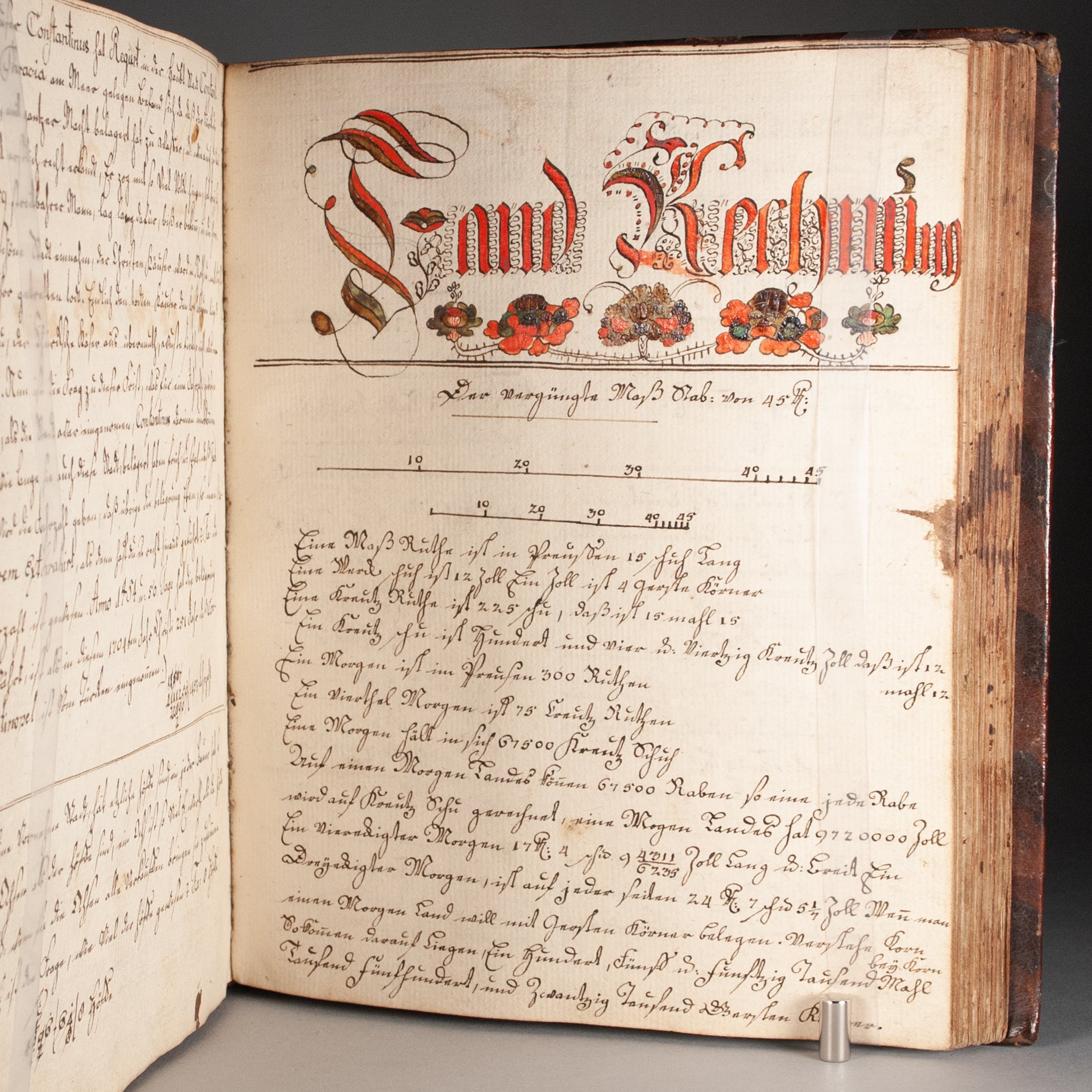 Image 16 of 26
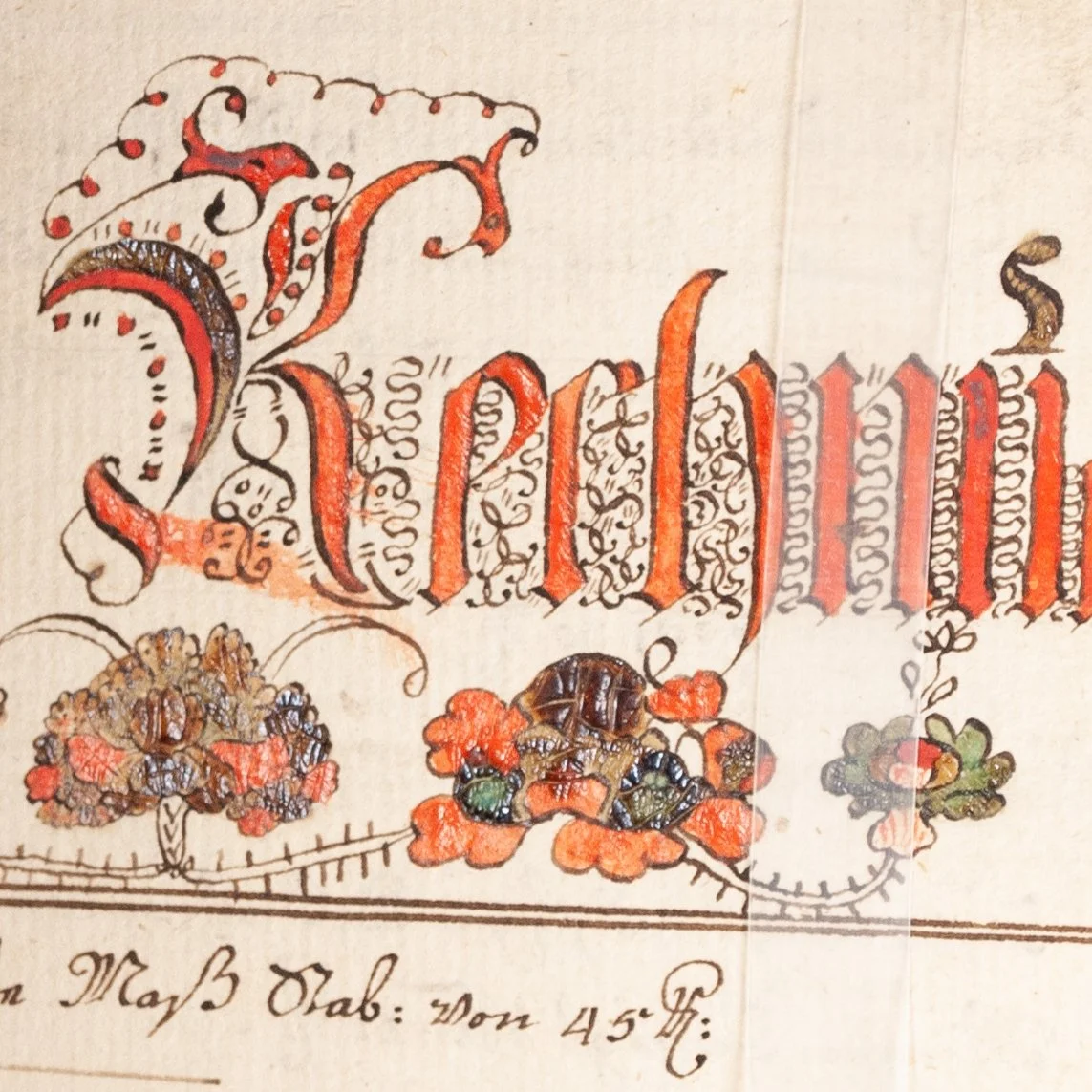 Image 17 of 26
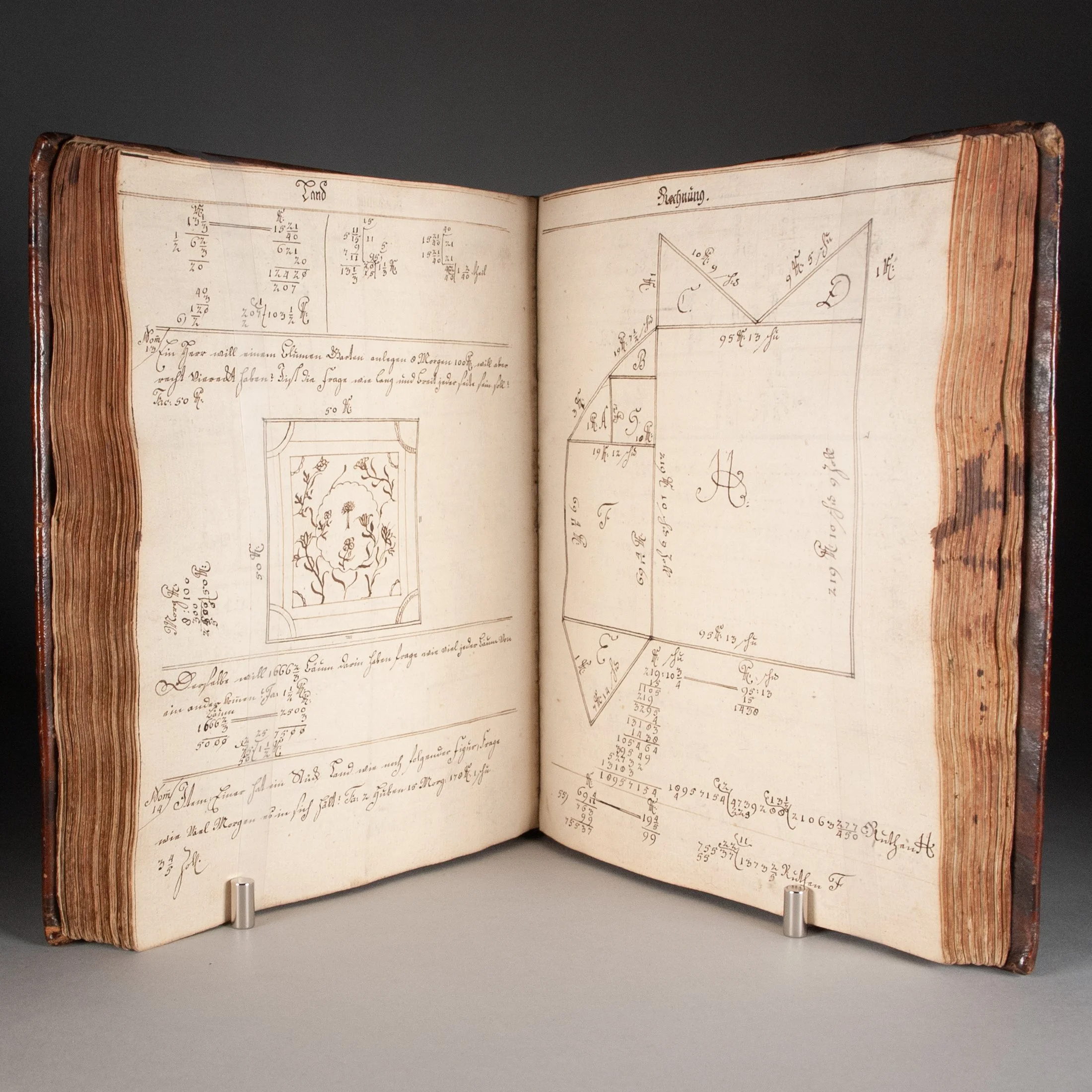 Image 18 of 26
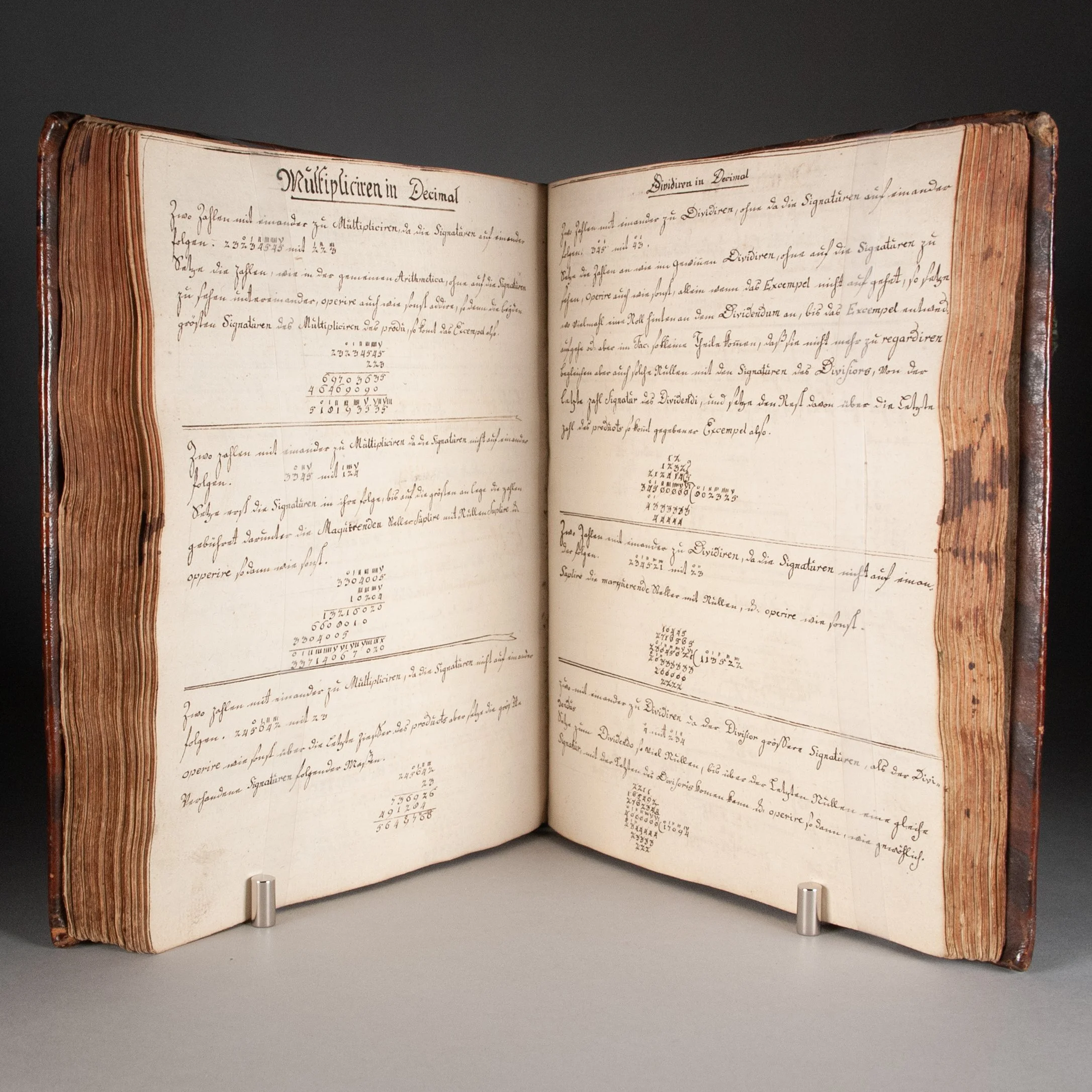 Image 19 of 26
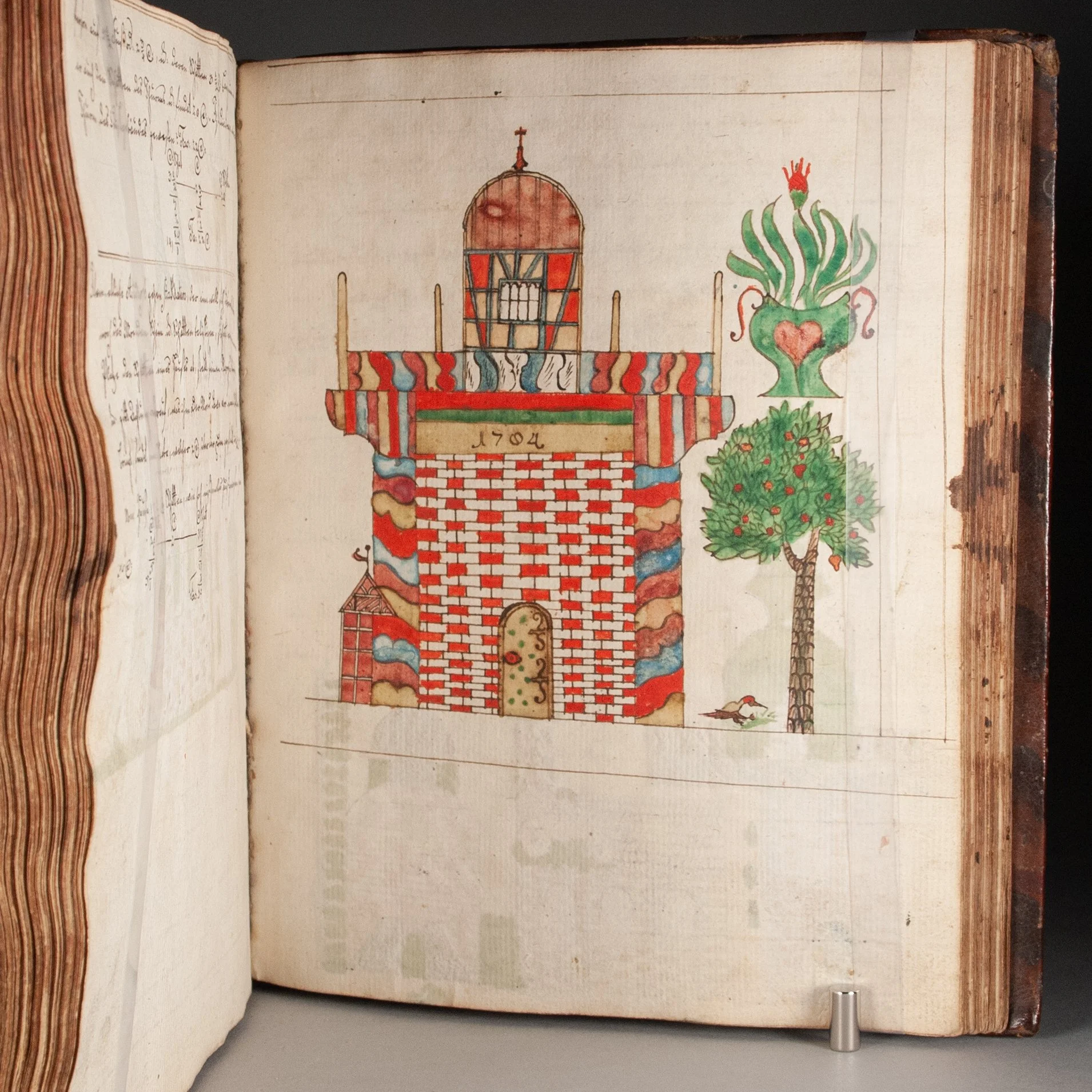 Image 20 of 26
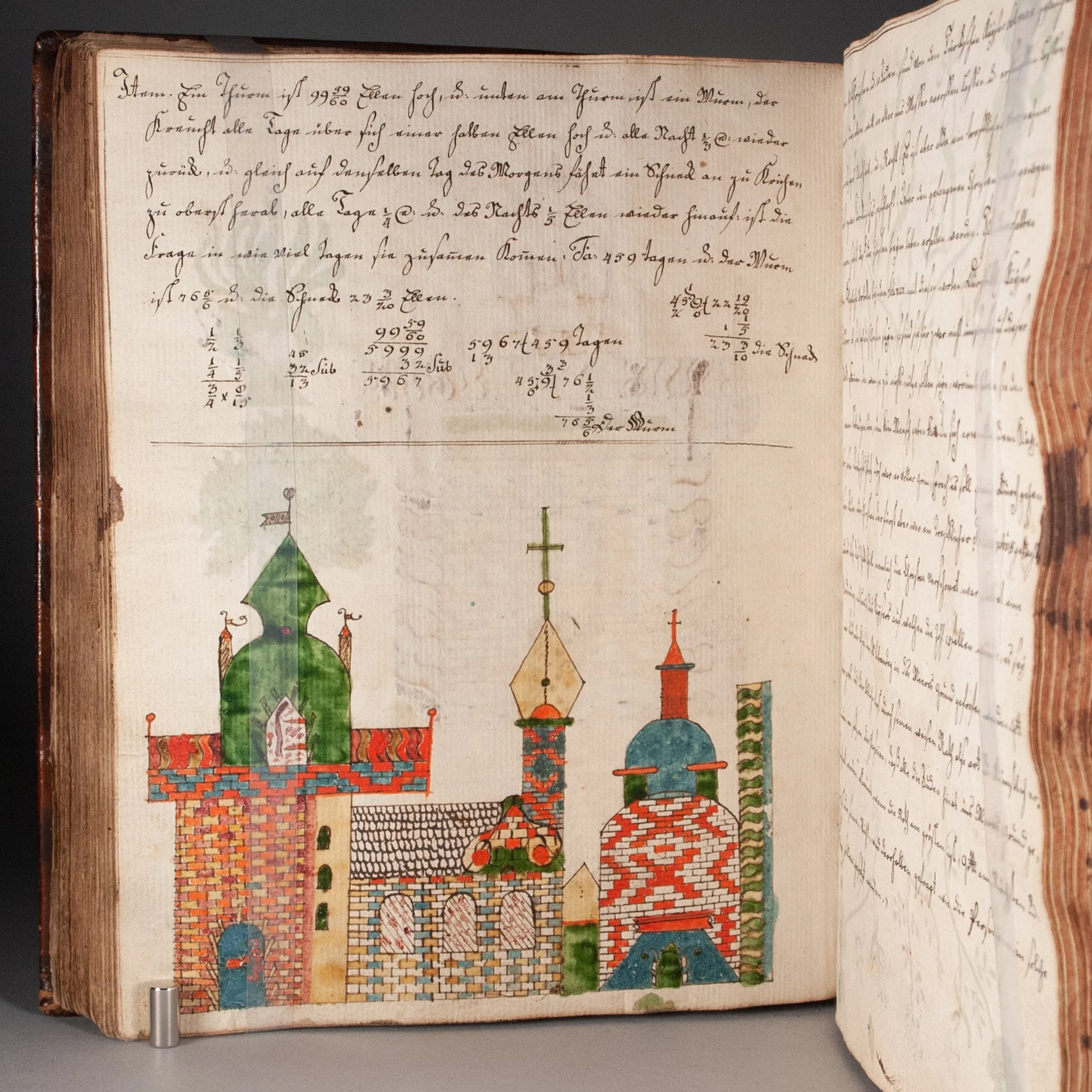 Image 21 of 26
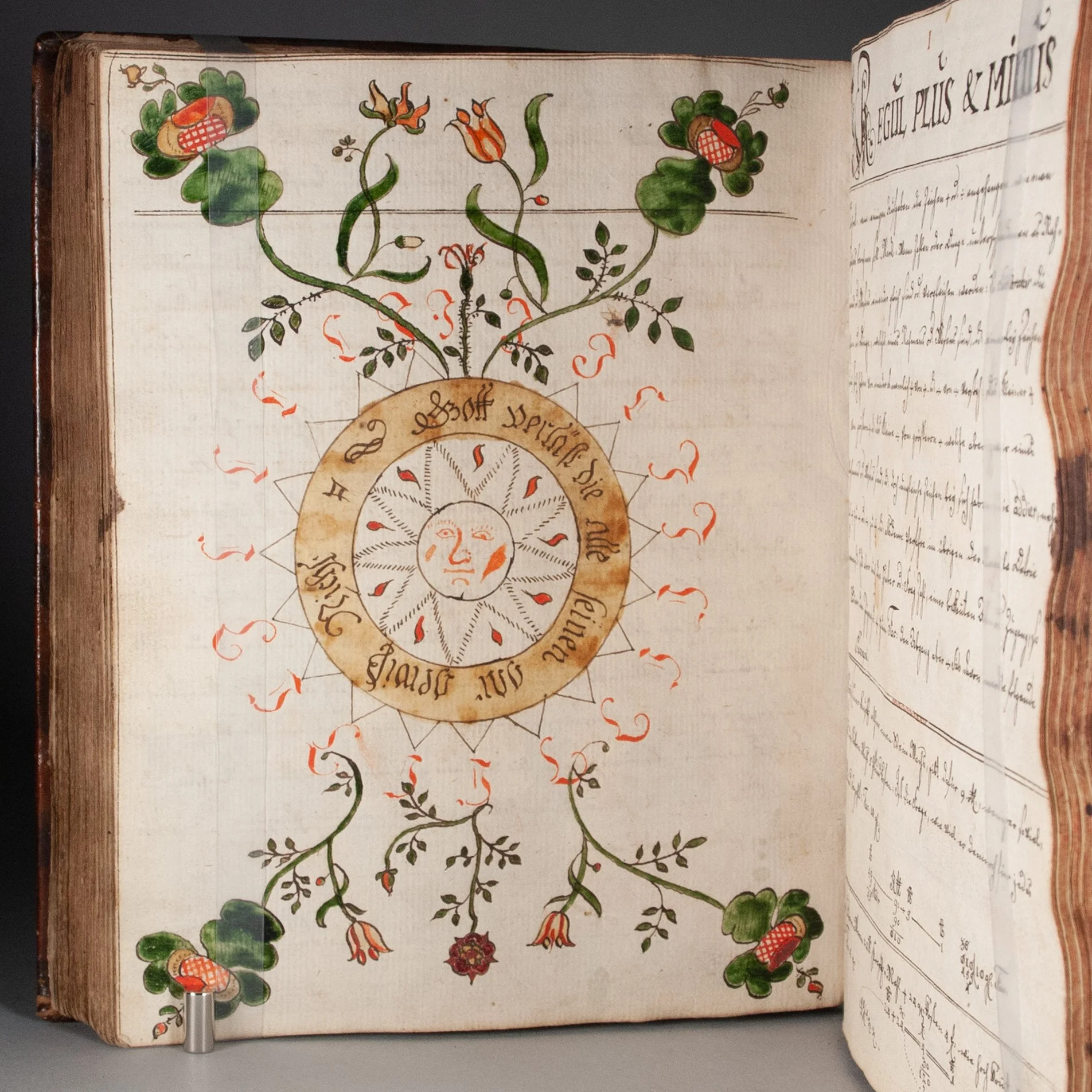 Image 22 of 26
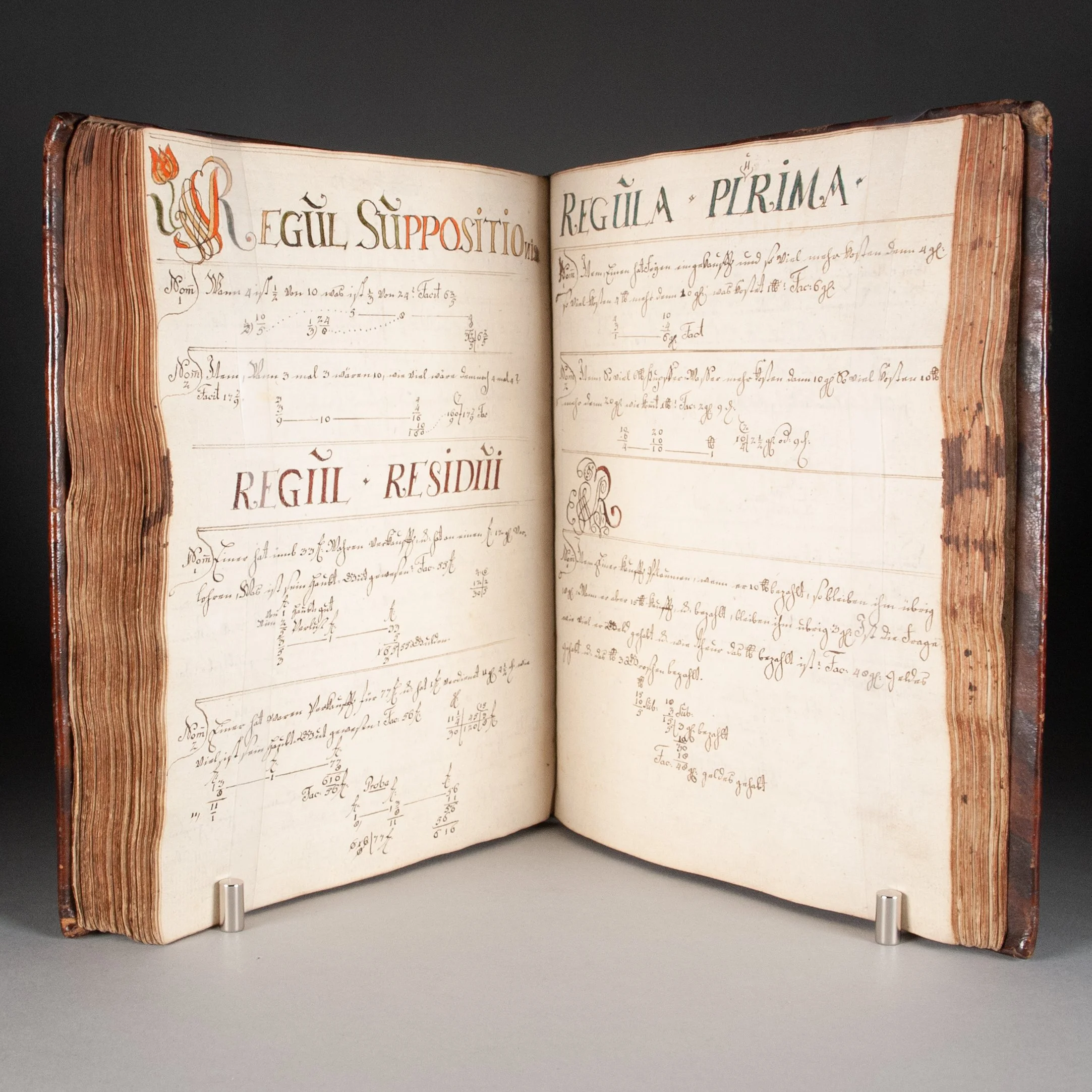 Image 23 of 26
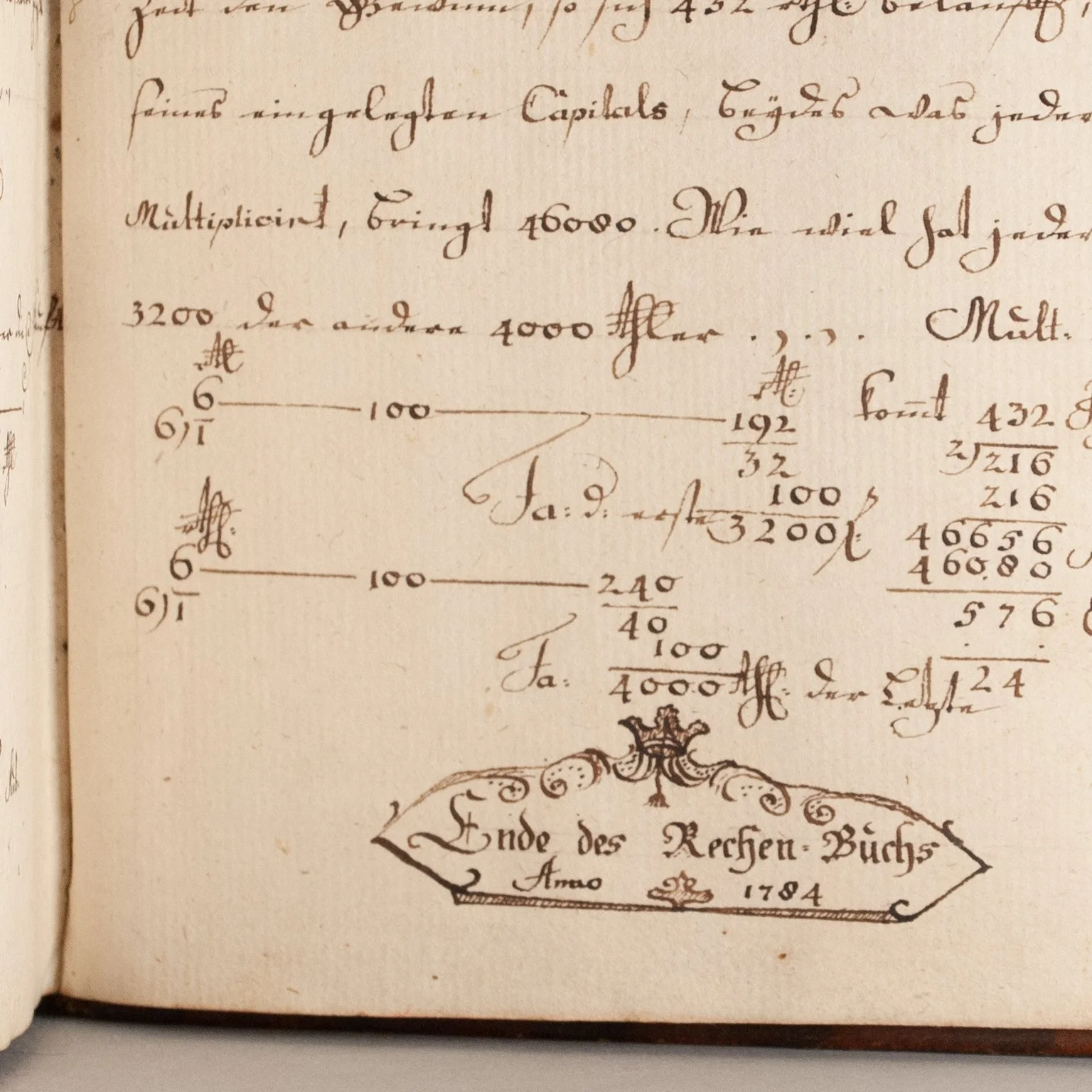 Image 24 of 26
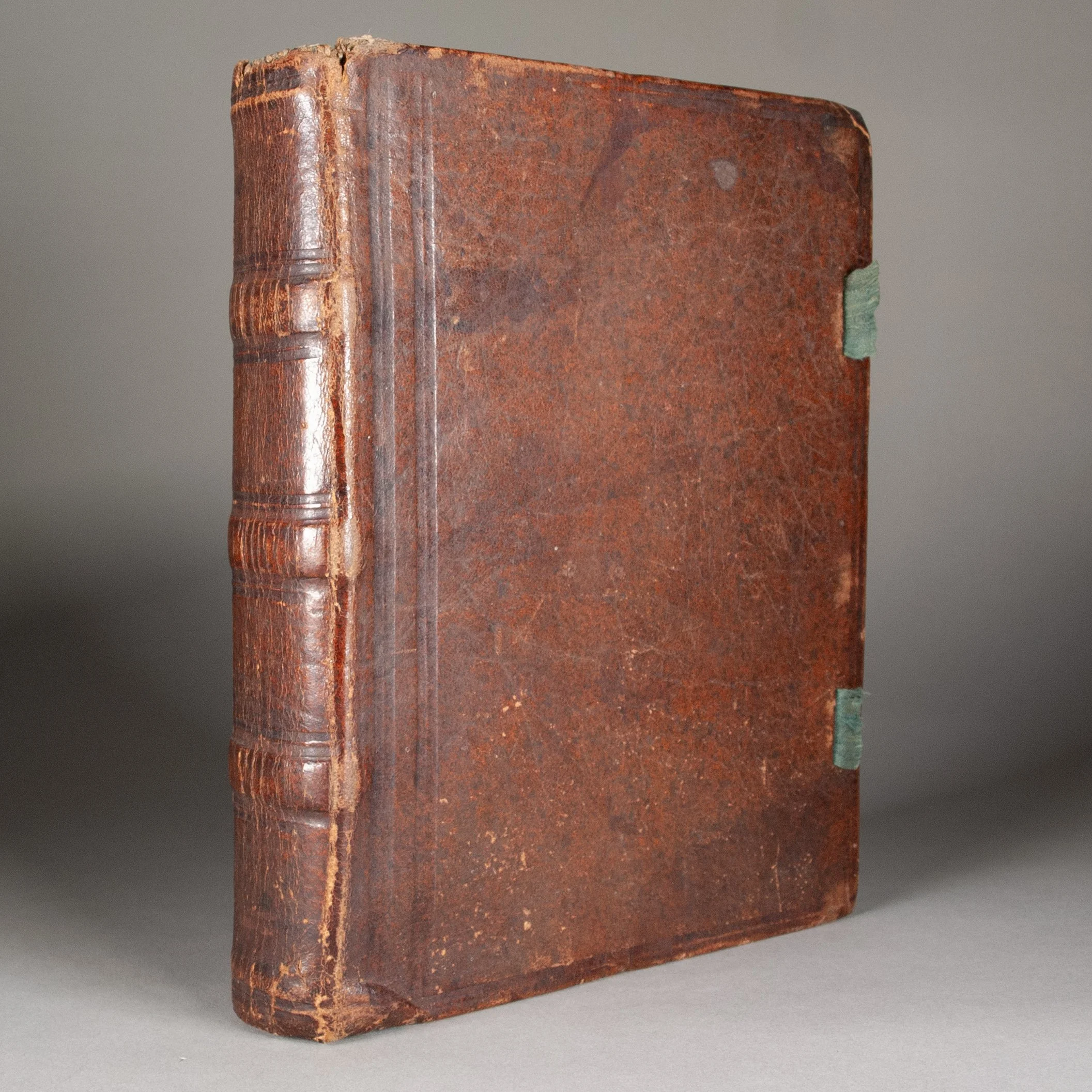 Image 25 of 26
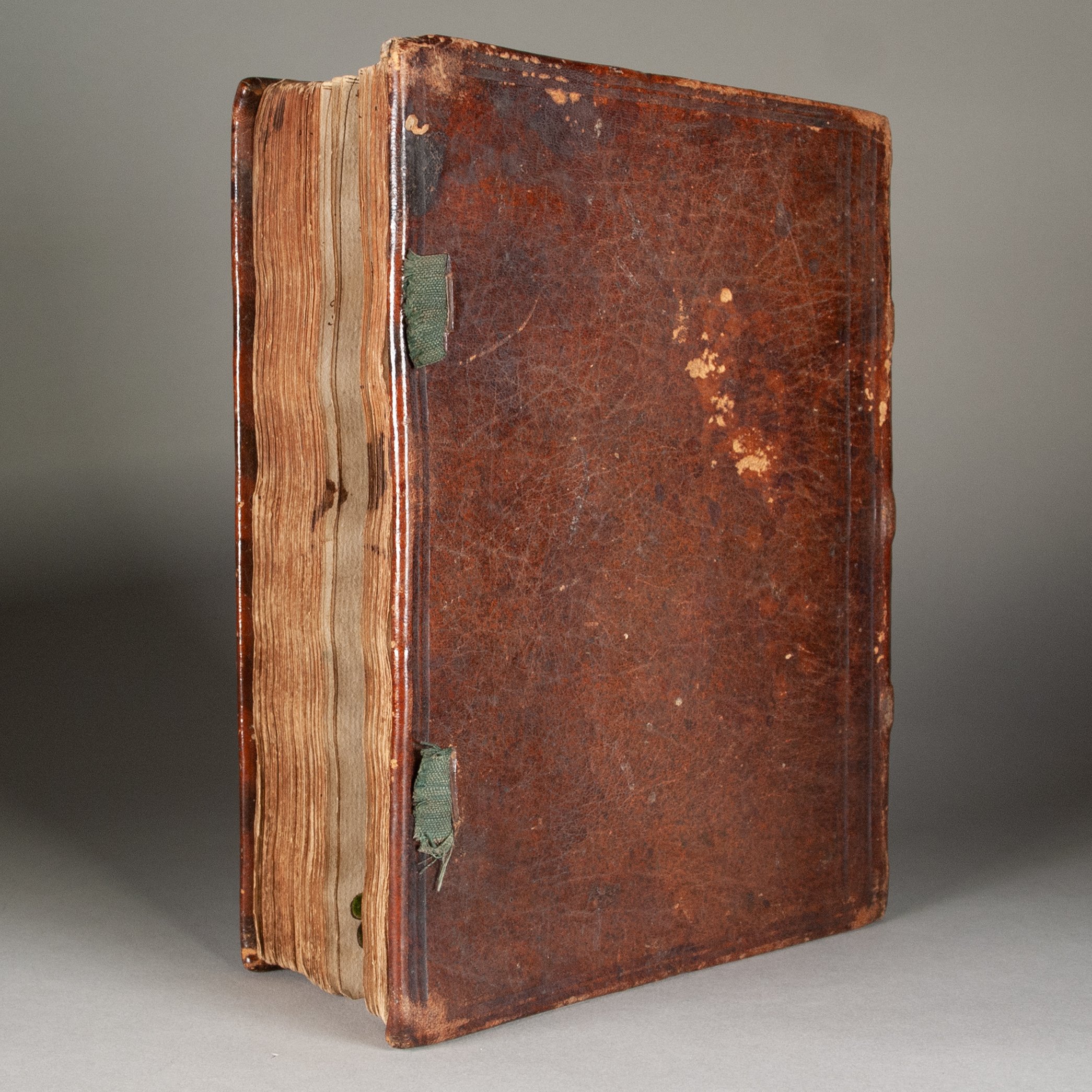 Image 26 of 26