[Al-minh], sive, Calendarium anni Domini MDCLXXVII, non solum secundum Christianae sed & Judaicae ecclesiae olim hodieque receptam consuetudinem; & juxta hypotheses cl. chronologorum R. Mosis Maimonidae & Sethi Calvisii aliorumque praestantissimorum mathematicorum & philologorum tam Judaeorum quam Christianorum ductum in philologiae studiosorum usum adornatum
by Michael Beck? | drawing on Moses Maimonides and Seth Calvisius
Jena: Samuel Krebs, [1676?]
[32] p. | 4to | A-D^4 | 200 x 159 mm
A more scholarly take on the annual almanac, and more exceptional still for providing parallel Jewish and Christian calendars. Like any almanac, the text includes the usual monthly calendar for the year, providing dates, important feast days, epacts, and dominical letters (expressed not only in Julian and Gregorian terms, but equally in ancient Roman). And again like any almanac, the introductory text provides the usual chronological markers: the year since the creation of the world; the year's golden number, marking its place in the 19-year Metonic lunar cycle; its place in the 28-year solar cycle; its epact; its dominical letters, which links dates to their days of the week; and its place in the indiction period, a 15-year tax assessment cycle that dates from antiquity. ¶ Notable here is the space devoted to the Jewish calendar. Three pages at front provide a kind of miniature treatise on the subject—with rules in parallel Hebrew and Latin, for example, on determining certain Jewish holidays. Opposite the Christian monthly calendar, printed on the rectos, are monthly calendars for the Jewish year. The left third of these versos provides details common to both Christian and Jewish calendars, though most of the space is dedicated to the Jewish year. Opposite April, for example, is the Jewish month Nisan, listing both Sabbatot and other festivals, like Pesach. This was a leap year in the Hebrew calendar, and so it incorporates both Adar I and Adar II. ¶ This is the only edition we've found under this title, rather unusual when countless annual calendars were issued year after year. Broadly speaking, Christian discourse on the Jewish calendar dates to the Middle Ages, and printers were issuing tabular annual Jewish calendars as early as 1496 (though they remained far less common than their non-Jewish counterparts). An old note on the title page says our little Calendarium was written by Michael Beck (1653-1712), a Jena Orientalist, and points us to his dissertation on the Grapes of Canaan (vid[e] ei[us] disp[utatio] de uvâ Cananea). We've been unable to verify this, but the University of Jena did boast a strong tradition of scholarship in Eastern languages. Johann Ernst Gerhard the Elder (1621-1668), for example, was typical enough to "act as our guide to the quotidian reality of seventeenth-century oriental studies at Lutheran universities" (Ben-Tov). And Beck studied under Johann Frischmuth, another Jena Orientalist who played a role in an impressive roster of dissertations, many of them on Hebrew topics. Given this context, we rather suspect this calendar was intended to assist Christian Hebraist scholars rather than any local Jewish population. ¶ We find no copies in North America and no copies in auction records.
PROVENANCE: The calendar with old roman numerals added to the margins, numbering the weeks of the printed calendar in accordance with the Jewish calendar year, which begins with Rosh Hashanah on 1 Tishrei (here October 15). Some old underlining.
CONDITION: In recent half gray leather and marbled boards. ¶ Trimmed close, grazing the signature on C1; just a couple of small, unobtrusive stains. Internally quite nice, and the binding still fresh.
REFERENCES: VD17 547:694942G ¶ Asaph Ben-Tov, Johann Ernst Gerhard (1621-1668), p. 2 (cited above); C. Philipp E. Nothaft, "A tool for many purposes: Hermann Zoest and the medieval Christian appropriation of the Jewish calendar," Journal of Jewish Studies 65.1 (Spring 2014), p. 148-150 (useful summary of medieval writing on the Jewish calendar)
Item #867
[Al-minh], sive, Calendarium anni Domini MDCLXXVII, non solum secundum Christianae sed & Judaicae ecclesiae olim hodieque receptam consuetudinem; & juxta hypotheses cl. chronologorum R. Mosis Maimonidae & Sethi Calvisii aliorumque praestantissimorum mathematicorum & philologorum tam Judaeorum quam Christianorum ductum in philologiae studiosorum usum adornatum
by Michael Beck? | drawing on Moses Maimonides and Seth Calvisius
Jena: Samuel Krebs, [1676?]
[32] p. | 4to | A-D^4 | 200 x 159 mm
A more scholarly take on the annual almanac, and more exceptional still for providing parallel Jewish and Christian calendars. Like any almanac, the text includes the usual monthly calendar for the year, providing dates, important feast days, epacts, and dominical letters (expressed not only in Julian and Gregorian terms, but equally in ancient Roman). And again like any almanac, the introductory text provides the usual chronological markers: the year since the creation of the world; the year's golden number, marking its place in the 19-year Metonic lunar cycle; its place in the 28-year solar cycle; its epact; its dominical letters, which links dates to their days of the week; and its place in the indiction period, a 15-year tax assessment cycle that dates from antiquity. ¶ Notable here is the space devoted to the Jewish calendar. Three pages at front provide a kind of miniature treatise on the subject—with rules in parallel Hebrew and Latin, for example, on determining certain Jewish holidays. Opposite the Christian monthly calendar, printed on the rectos, are monthly calendars for the Jewish year. The left third of these versos provides details common to both Christian and Jewish calendars, though most of the space is dedicated to the Jewish year. Opposite April, for example, is the Jewish month Nisan, listing both Sabbatot and other festivals, like Pesach. This was a leap year in the Hebrew calendar, and so it incorporates both Adar I and Adar II. ¶ This is the only edition we've found under this title, rather unusual when countless annual calendars were issued year after year. Broadly speaking, Christian discourse on the Jewish calendar dates to the Middle Ages, and printers were issuing tabular annual Jewish calendars as early as 1496 (though they remained far less common than their non-Jewish counterparts). An old note on the title page says our little Calendarium was written by Michael Beck (1653-1712), a Jena Orientalist, and points us to his dissertation on the Grapes of Canaan (vid[e] ei[us] disp[utatio] de uvâ Cananea). We've been unable to verify this, but the University of Jena did boast a strong tradition of scholarship in Eastern languages. Johann Ernst Gerhard the Elder (1621-1668), for example, was typical enough to "act as our guide to the quotidian reality of seventeenth-century oriental studies at Lutheran universities" (Ben-Tov). And Beck studied under Johann Frischmuth, another Jena Orientalist who played a role in an impressive roster of dissertations, many of them on Hebrew topics. Given this context, we rather suspect this calendar was intended to assist Christian Hebraist scholars rather than any local Jewish population. ¶ We find no copies in North America and no copies in auction records.
PROVENANCE: The calendar with old roman numerals added to the margins, numbering the weeks of the printed calendar in accordance with the Jewish calendar year, which begins with Rosh Hashanah on 1 Tishrei (here October 15). Some old underlining.
CONDITION: In recent half gray leather and marbled boards. ¶ Trimmed close, grazing the signature on C1; just a couple of small, unobtrusive stains. Internally quite nice, and the binding still fresh.
REFERENCES: VD17 547:694942G ¶ Asaph Ben-Tov, Johann Ernst Gerhard (1621-1668), p. 2 (cited above); C. Philipp E. Nothaft, "A tool for many purposes: Hermann Zoest and the medieval Christian appropriation of the Jewish calendar," Journal of Jewish Studies 65.1 (Spring 2014), p. 148-150 (useful summary of medieval writing on the Jewish calendar)
Item #867

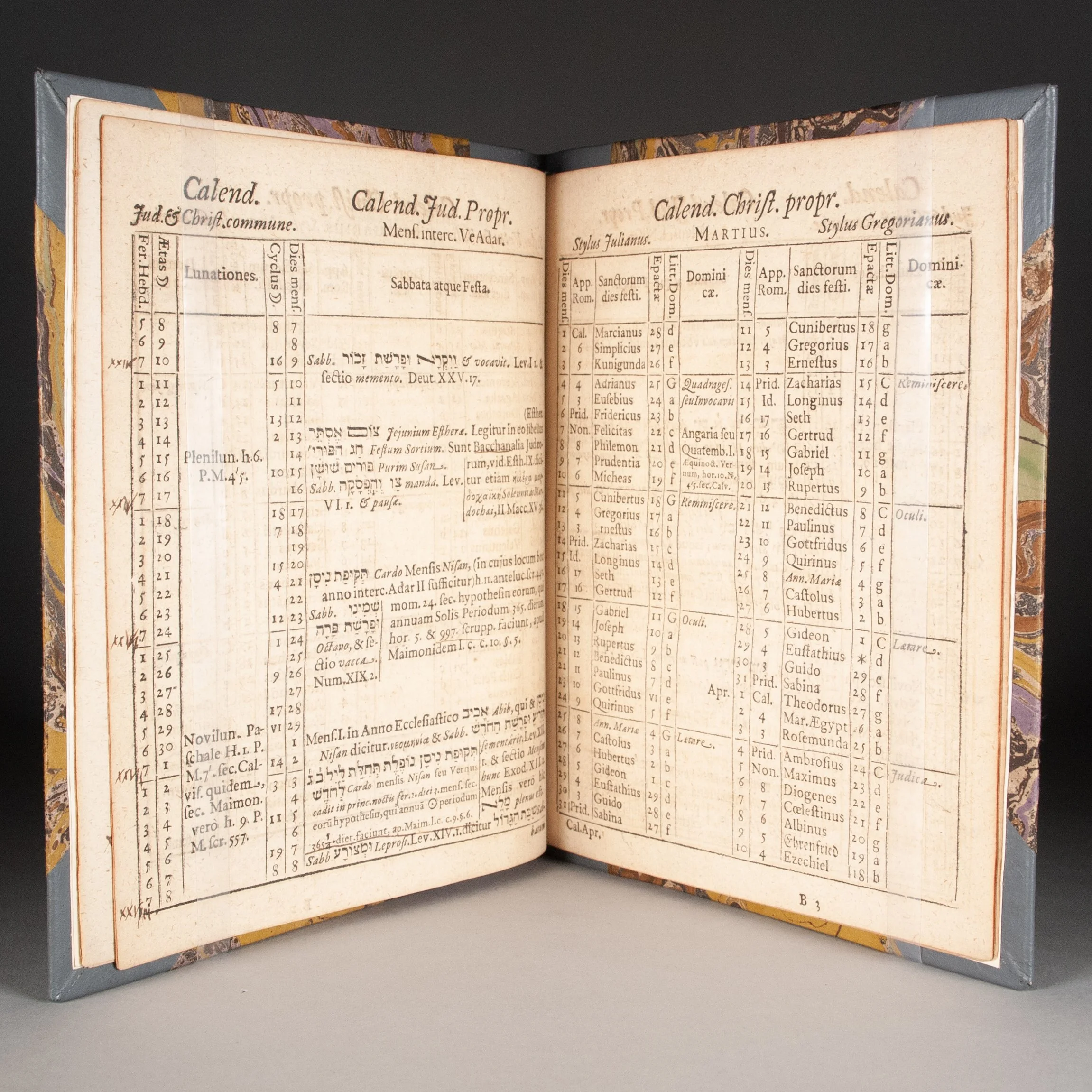 Image 1 of 6
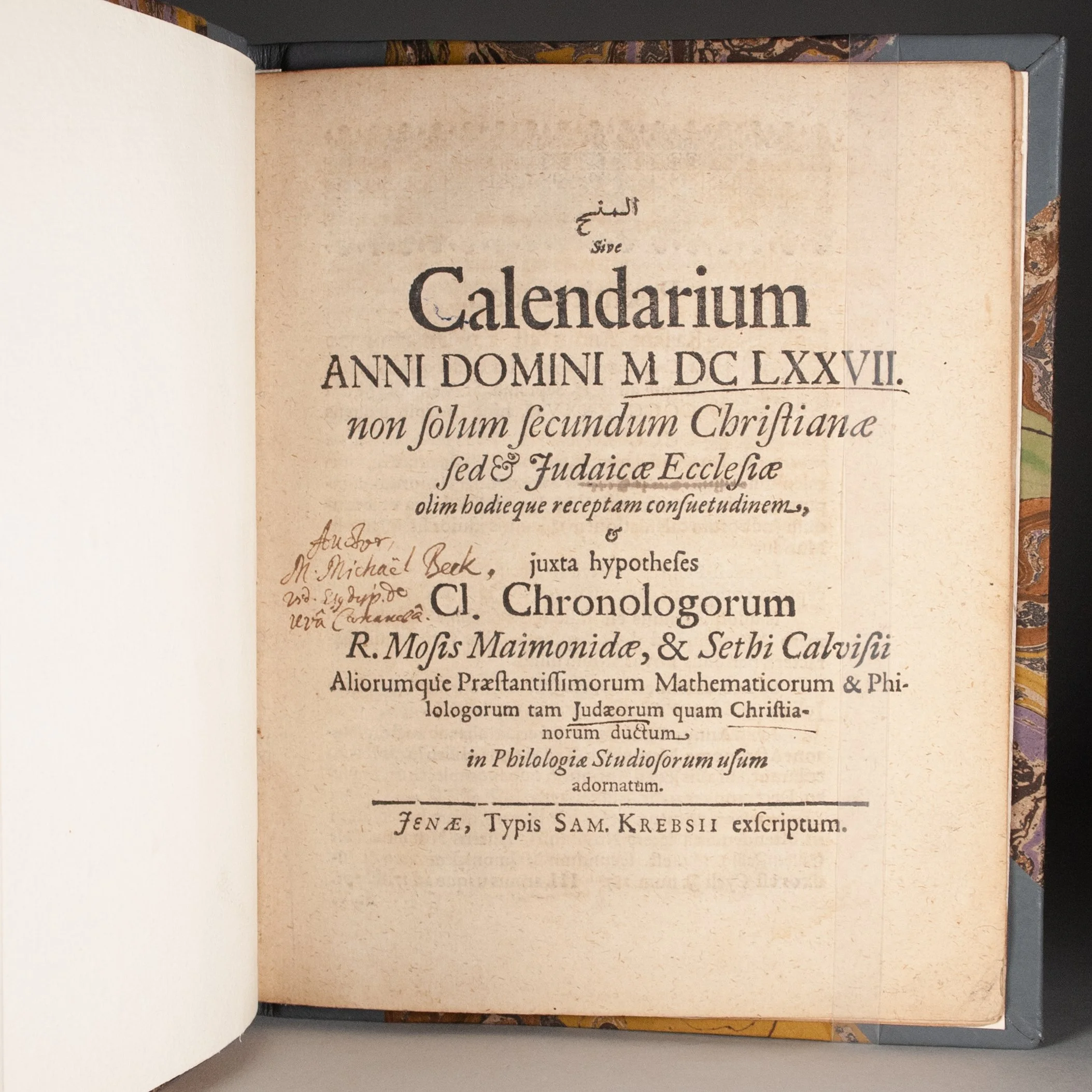 Image 2 of 6
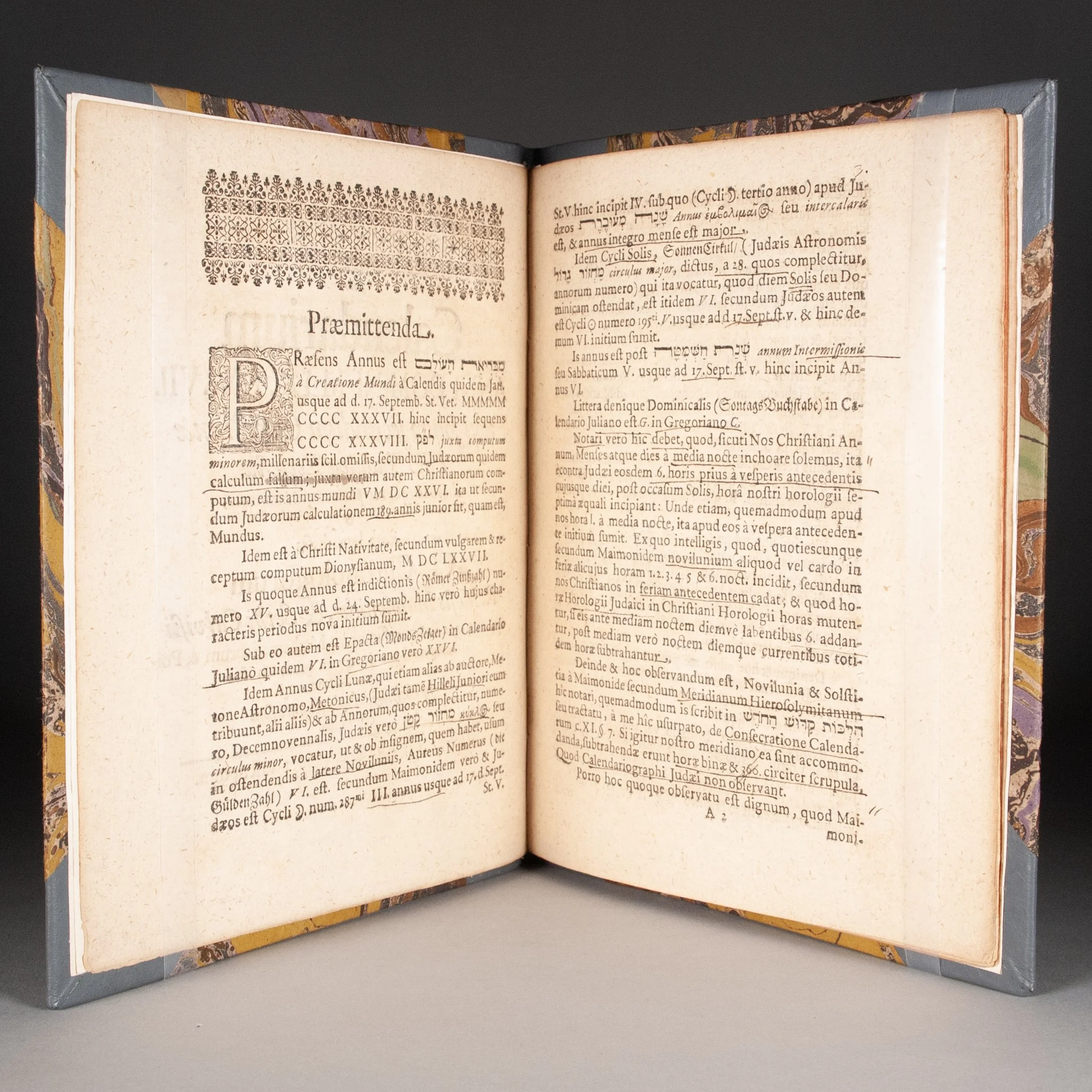 Image 3 of 6
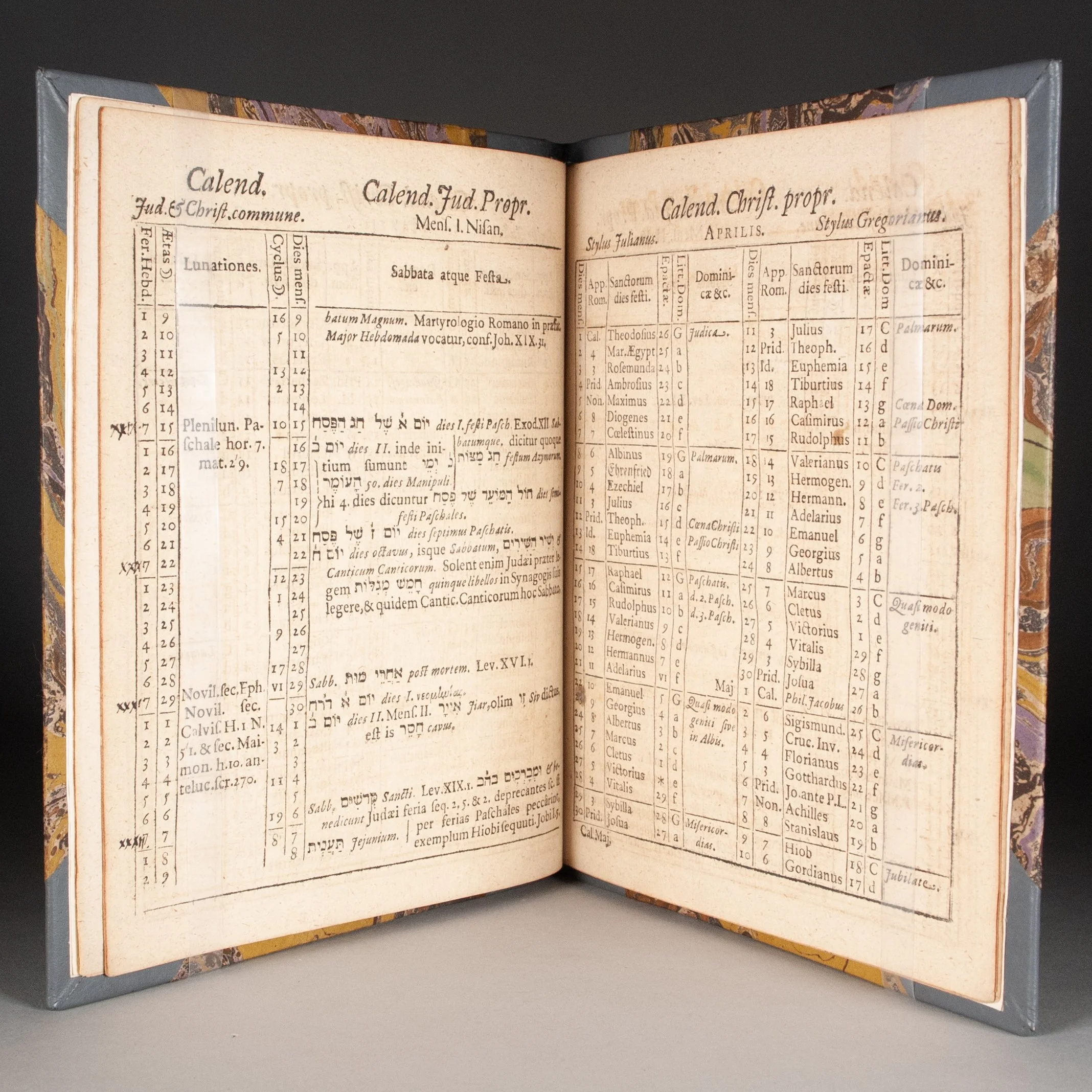 Image 4 of 6
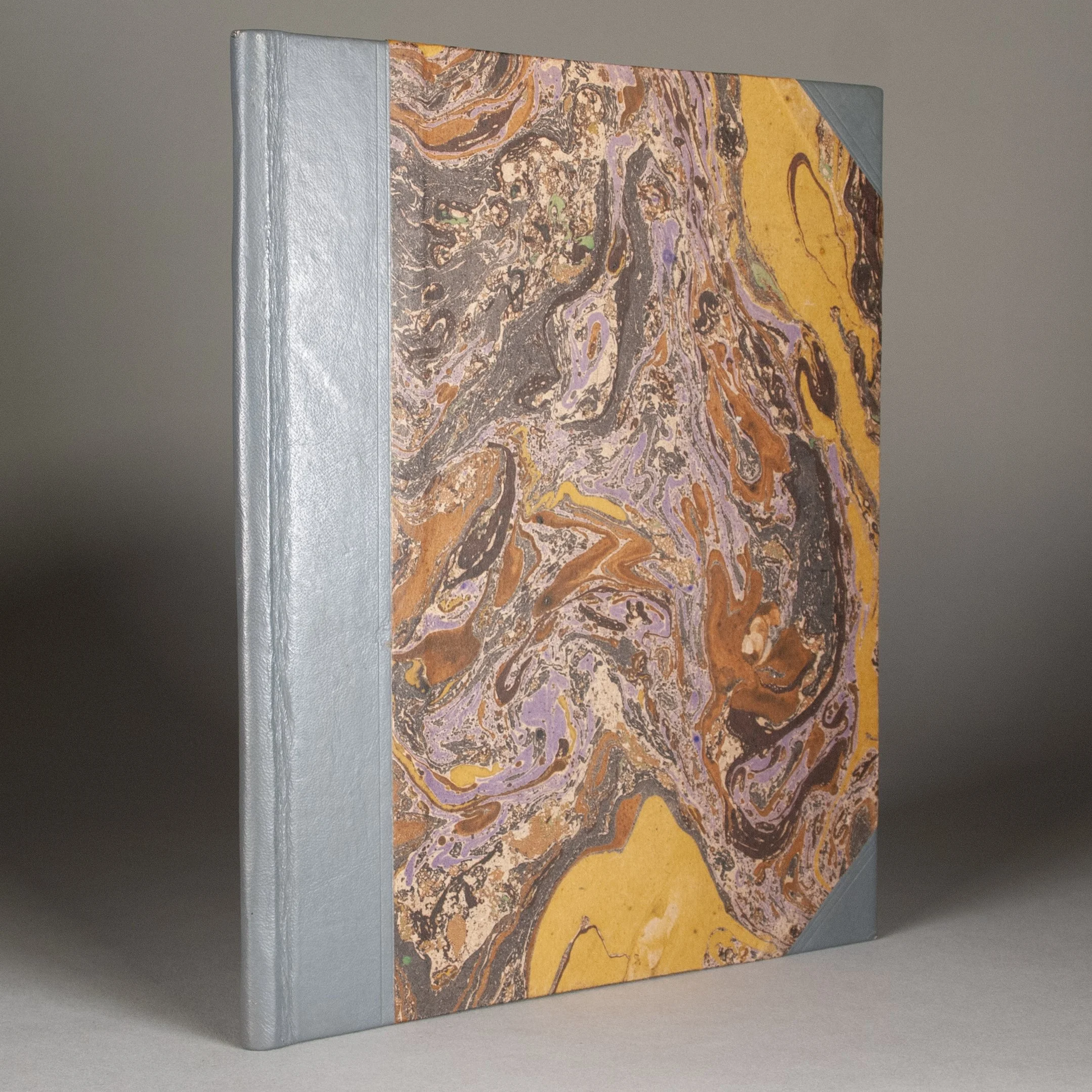 Image 5 of 6
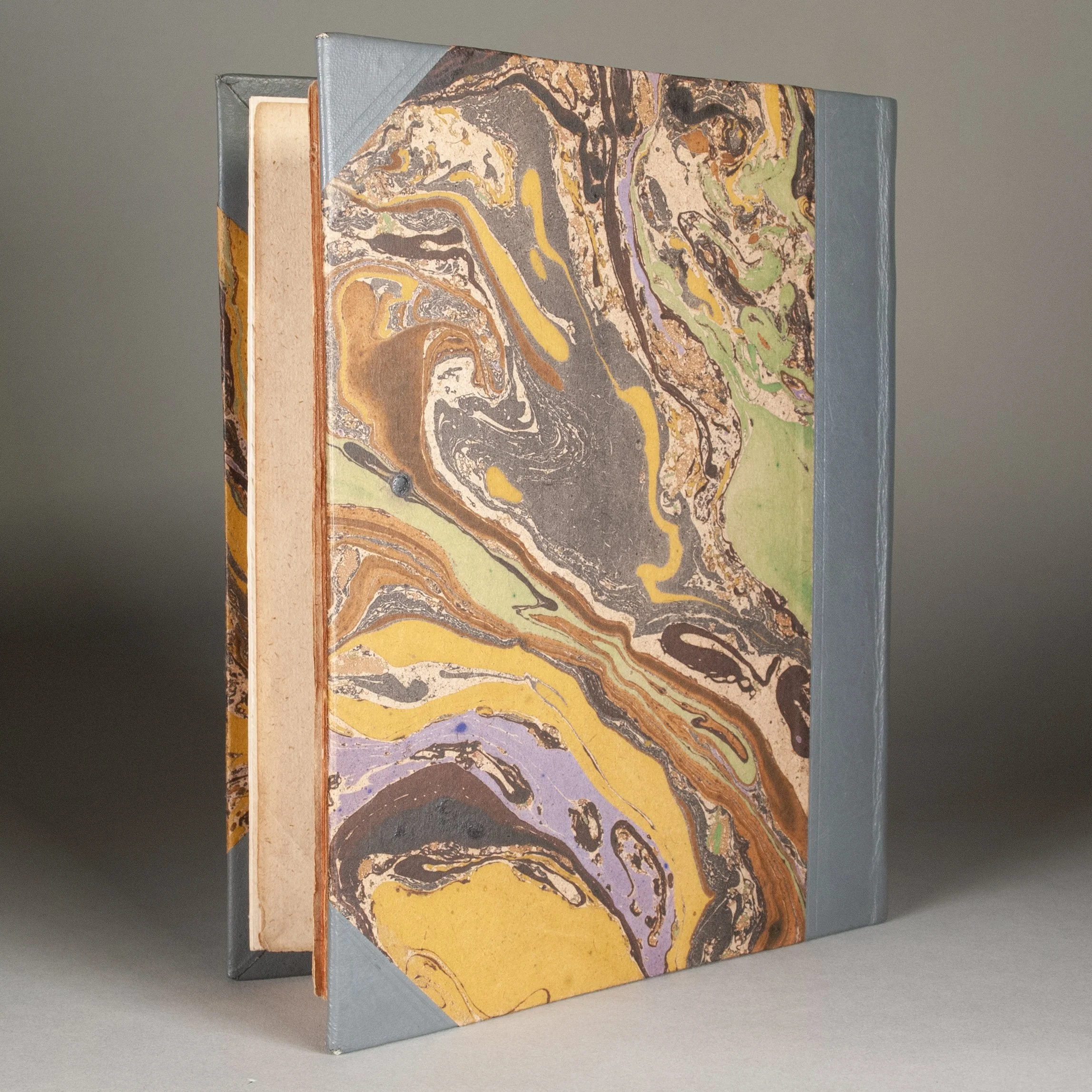 Image 6 of 6